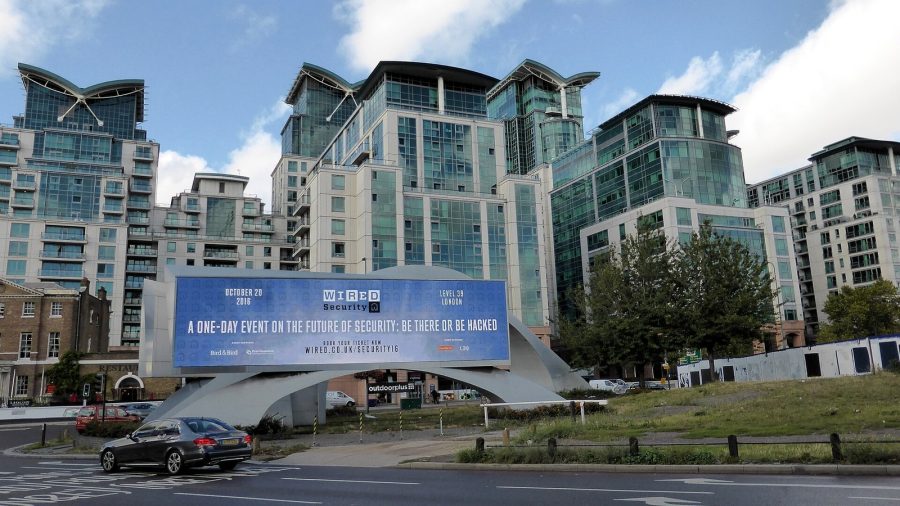
IPA Bellwether: UK marketing budgets rise at fastest rate in over two years
The IPA Bellwether Report finds a net 14.3 per cent of marketers raised budgets in Q3 2026, with main media at a nine-year high, though the 2027 adspend forecast was cut.
Opening the Festival of Marketing, Hegarty set out a simple triangle for judging creative work, blamed KPIs for a sea of sameness, and admitted he once had no idea if a famous Audi ad would work.
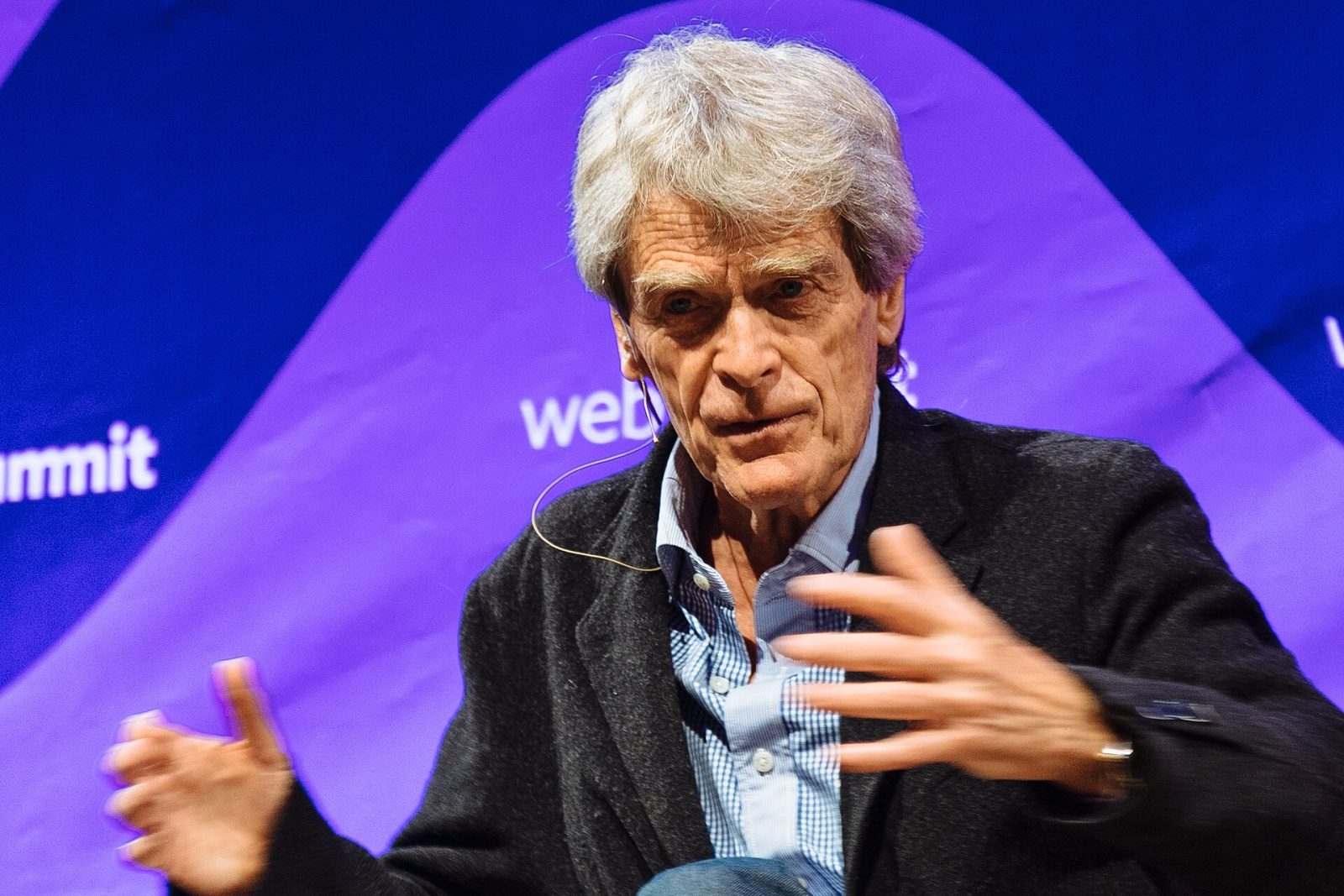
Sir John Hegarty opened the Festival of Marketing in London on Wednesday with a simple test for any piece of creative work. It has to be memorable, it has to be motivating, and it has to be truthful, and he was blunt about the order: “If it isn’t memorable, go home.”
He drew the tests as a triangle with memorability at the top, because an ad nobody notices cannot do anything else. Work that is memorable but does not motivate is “no good”, he said. And it has to be true, “because I’m trying to build a long-term relationship with the customer”, a point aimed at an industry that increasingly optimises for the next click rather than the next decade, as Marketing Week reported.
He blamed what he called a “sea of sameness” on the industry’s obsession with KPIs, and on a data industry that has sold marketers the idea that every decision can be measured in advance. The job of communication is to get noticed, he argued, and getting even 2 per cent more people to notice something would be transformative.
The most revealing moment was a story against himself. Asked by a client’s advertising director whether a famous BBH campaign for Audi would work, he said it would be fantastic. Privately, he told the audience, he had “no fucking idea”. His point was that brave work always involves uncertainty, and a marketer who waits for proof before backing an idea will never back a great one.
He also had a message for the business-to-business marketers in the room: buyers are people with “loves, likes and dislikes”, not visitors from “planet B2B”, and B2B brands should be “the torchbearers” for creativity rather than its last holdouts.
This is the keynote we trailed in September, and it follows his interview last month in which he called modern advertising repetitive, cliché and boring. The three tests are the constructive half of that argument, and they are useful precisely because they are so simple: any marketer can hold a piece of work up against them in a meeting.
They are also a fair description of his own best work. Levi’s Launderette was impossible to forget, sold an awful lot of jeans, and never pretended the product was anything it was not. The industry has the tools to measure almost everything except whether an idea is any good, and Hegarty’s case is that nothing has replaced judgement.

He plans, buys and reviews advertising for a living, and helps score campaigns on the site against the same five Crown Score criteria alongside other authors and contributors.
The IPA Bellwether Report finds a net 14.3 per cent of marketers raised budgets in Q3 2026, with main media at a nine-year high, though the 2027 adspend forecast was cut.
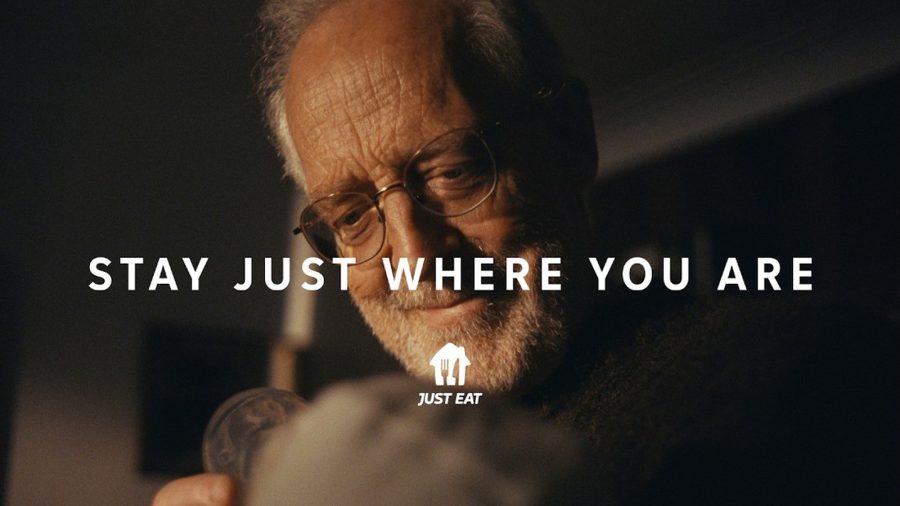
After Snoop Dogg, Katy Perry and Craig David, Just Eat's new global platform by VCCP is built on ordinary moments, led by a grandfather meeting his grandchild.
Publicis Groupe posted 5 per cent organic growth in the third quarter, credited Sapient with no-pitch wins including PepsiCo, and said consumer AI is outrunning enterprise AI.