Loveholidays, Thomas Cook and DialAFlight have all been banned by the ASA for slapping ‘eco’ on holidays without saying what it means.
2 min read
Photo: Recal Media, CC0, via Wikimedia Commons
The Advertising Standards Authority has banned adverts from three travel brands in one go, after all three slapped the word “eco” on holidays without explaining what it actually meant. Loveholidays, Thomas Cook and DialAFlight were caught by the same investigation, part of a wider ASA crackdown on environmental claims across the travel sector.
The regulator’s Active Ad Monitoring system, which uses AI to scan for problem ads, flagged all three in July. Loveholidays had run Google ads for its “Green Garden Eco Resort” and “Marvida Family Eco Hotel”, Thomas Cook promoted the “Sandos Caracol Eco Resort”, and DialAFlight pitched an “eco-conscious resort” on Abu Dhabi’s Saadiyat Island. In each case, the ASA ruled that shoppers would reasonably read “eco” as a claim about the property, and none of the three explained what it meant.
The excuses varied. Loveholidays said “Eco” was simply part of the hotels’ trading names, not a claim it had made itself, since it only resells rooms from independent operators. Thomas Cook blamed Google’s automated ad-generation tools for pulling in an old hotel name after the property itself was renamed in 2025, and said it had since blocked the term as a search keyword. The ASA wasn’t swayed by either defence, ruling that holidaymakers would still read “eco” as a description of the accommodation, whoever coined it.
As Decision Marketing reported, all three ads have now been pulled and the brands told to make the basis of any future environmental claims clear. It is the clearest sign yet that the ASA’s AI monitoring is getting sharper at catching low-effort greenwashing that would once have slipped through, particularly in a travel sector under pressure to look sustainable. The full detail sits in the rulings round-up we keep updated every month.
It follows a summer in which the regulator has shown little patience for advertisers talking back, as Sports Direct discovered after its own run-in over pricing claims. For an industry still working out what “green” is allowed to mean in an ad, the message from Castle House is consistent: if you cannot back it up in one click, do not say it.
Max Rottier
He plans, buys and reviews advertising for a living, and helps score campaigns on the site against the same five Crown Score criteria alongside other authors and contributors.
Opening the Festival of Marketing, Hegarty set out a simple triangle for judging creative work, blamed KPIs for a sea of sameness, and admitted he once had no idea if a famous Audi ad would work.
The IPA Bellwether Report finds a net 14.3 per cent of marketers raised budgets in Q3 2026, with main media at a nine-year high, though the 2027 adspend forecast was cut.
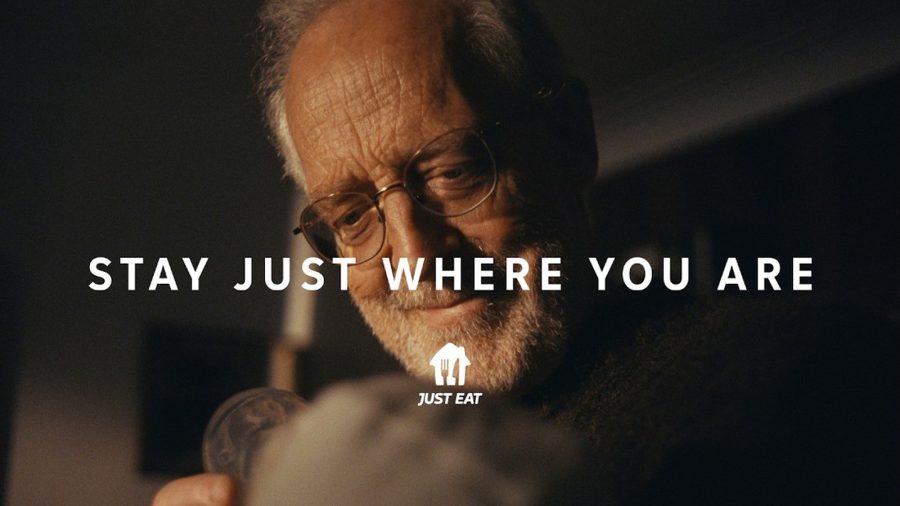
After Snoop Dogg, Katy Perry and Craig David, Just Eat's new global platform by VCCP is built on ordinary moments, led by a grandfather meeting his grandchild.
The Ad Ranking letter
One verdict a week. No press releases.
The campaign worth studying, the ASA ruling worth knowing, and the number nobody else reported. Every Thursday.
One email a week. Unsubscribe in one click. We never share your address.