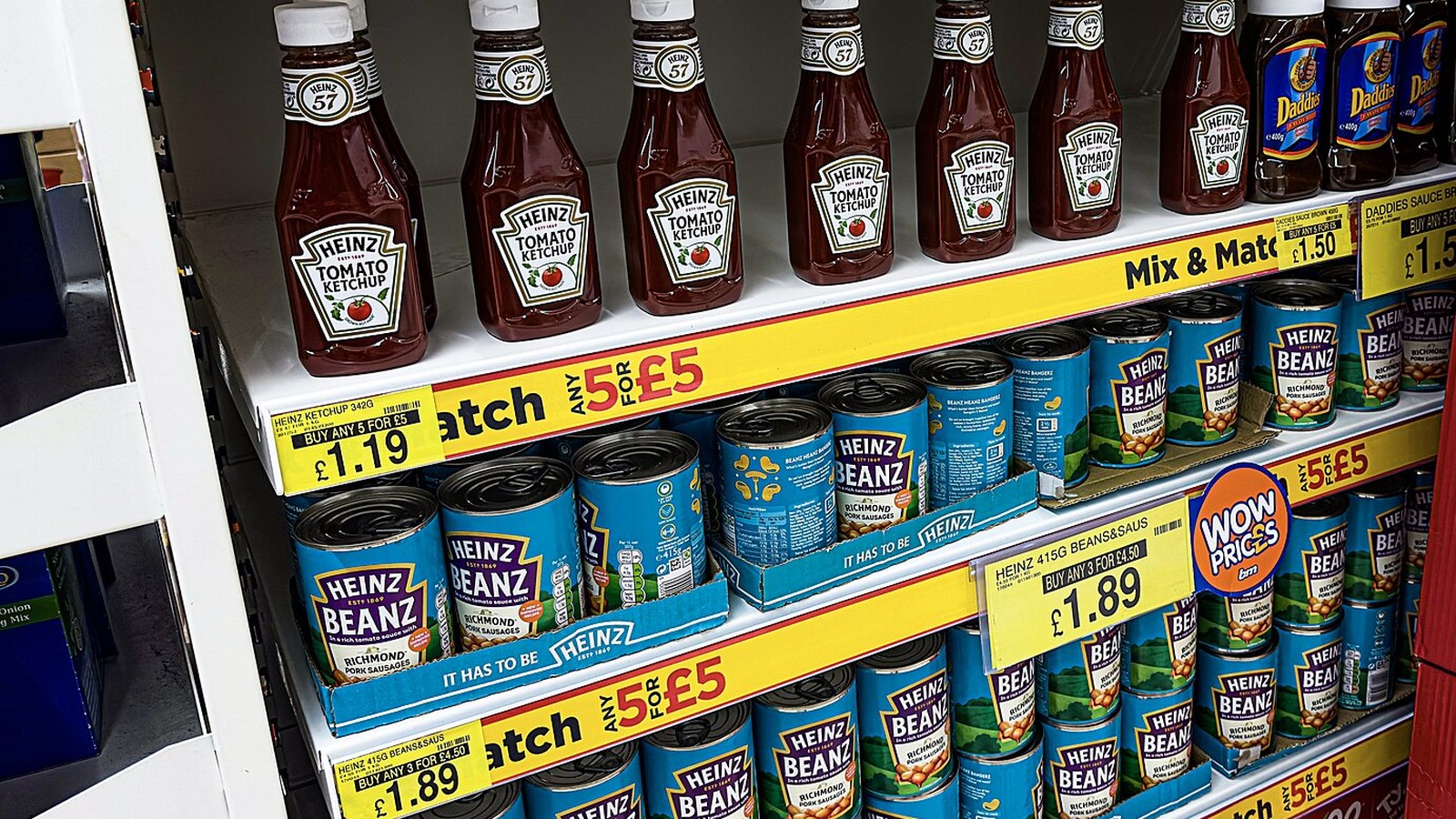
UK consumer brands spend roughly twice as much on price promotions as they do on paid media, making discounting the single biggest line in the marketing budget, according to research by the effectiveness experts Les Binet and Dom Boyd presented at the IPA Effectiveness Conference on Wednesday. Most marketers cannot even say which of those promotions make money, as Marketing Week reported.
What the research found
The study, a Censuswide survey of 250 marketing and insight leaders at UK consumer goods businesses, found that 75 per cent cannot estimate what proportion of their promotions are profitable. Eight in ten believe many shoppers who buy on promotion would have bought anyway, three quarters think repeated promotions make customers more price-sensitive, and 68 per cent say they would prefer to run fewer.
Yet the habit persists, partly because of how it is measured. Some 81 per cent evaluate promotions over less than 13 weeks, a window in which a discount always looks good and brand building never does. Respondents rated brand strength as 1.3 times less effective than a price cut, and pricing power as 1.5 times less effective than promotions.
What Les Binet said
Binet compared promotions to a “class A drug” for brands. His prescription: “The opportunity is to identify which promotions lose money, cut them out, and reinvest the money in brand advertising.”
Why it matters
This is the most expensive blind spot in British marketing. If promotions really are twice the size of the media budget and most are unmeasured, then even a modest cut, reinvested in advertising, would be one of the biggest effectiveness gains available to any consumer brand. The problem is organisational: promotions usually sit with sales and trade teams rather than marketing, so the people who could stop them are not the people judged on brand.
It lands in a week that has already made the case. Currys won the IPA Grand Prix with brand advertising rather than discounting, and the supermarkets are still fighting over whether loyalty prices are real savings. For why measurement windows matter so much, see our piece on the effectiveness function.