 76/100
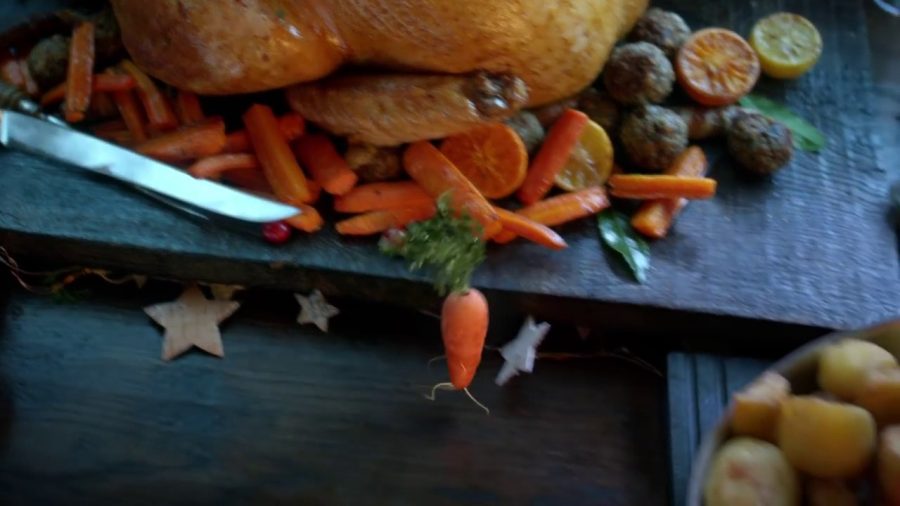
Aldi Christmas advert reviewed: ten years of Kevin the Carrot
McCann Manchester turned the cheapest item on the Christmas table into a decade-long franchise, a Grand Euro Effie, an IPA Silver and a queue outside the shop.

Aldi’s UK boss has accused rival supermarkets of using loyalty prices to “dupe” shoppers. Giles Hurley, chief executive of Aldi UK and Ireland, said on Tuesday that promotions which start from “unrealistically high prices” and come down to prices that are not that competitive are not transparent and do not help customers plan and budget, as Retail Gazette reported.
Hurley did not name names, but the target is obvious. Tesco’s Clubcard Prices and Sainsbury’s Nectar Prices have become the main way the big supermarkets advertise value, and Aldi, which has no loyalty card, is shut out of that game by design. His argument is that promotions are fine when they are meaningful and real, and that shoppers are better served by “everyday low prices, not short-lived offers that disappear the following week”.
The regulator has been here before. The Competition and Markets Authority looked at around 50,000 loyalty-priced products and found that 92 per cent offered genuine savings, typically of 17 to 25 per cent. That is not the finding Aldi would like, but it has not stopped loyalty pricing being the most contested claim in grocery marketing.
The comments came with Aldi’s results for 2025. Sales in the UK and Ireland rose 5 per cent to £19bn and pre-tax profit was £433m, broadly flat, after £340m of price cuts across more than 1,000 products. Aldi has 1,092 stores, wants 1,500, and says it will invest a record £900m next year. It holds a 10.6 per cent share of the grocery market.
This is price advertising as a fight about definitions. The big grocers want “value” to mean a member price with a yellow or purple tag, and Aldi wants it to mean the shelf price everyone pays. Each side’s marketing depends on shoppers accepting its version, which is why Aldi has spent years hammering the everyday low price message and why rivals answer with price-match promises of their own.
Expect to hear more of it in the Christmas adverts, where price and emotion have to share the same 60 seconds. Aldi’s own answer to that problem has been a carrot, reviewed in our piece on Kevin the Carrot. And the question of what counts as a real saving is exactly the kind the regulator enforces, as the latest ASA rulings show.

He plans, buys and reviews advertising for a living, and helps score campaigns on the site against the same five Crown Score criteria alongside other authors and contributors.
76/100McCann Manchester turned the cheapest item on the Christmas table into a decade-long franchise, a Grand Euro Effie, an IPA Silver and a queue outside the shop.

Opening the Festival of Marketing, Hegarty set out a simple triangle for judging creative work, blamed KPIs for a sea of sameness, and admitted he once had no idea if a famous Audi ad would work.
The IPA Bellwether Report finds a net 14.3 per cent of marketers raised budgets in Q3 2026, with main media at a nine-year high, though the 2027 adspend forecast was cut.