Comic Relief attacks the bystander effect with deadpan excuses
Comic Relief US and Quality Meats put the donor on screen instead of the child, and let a cast of reasonable adults explain why child poverty is not their problem.
2 min read
Comic Relief, Quality Meats, 2026.
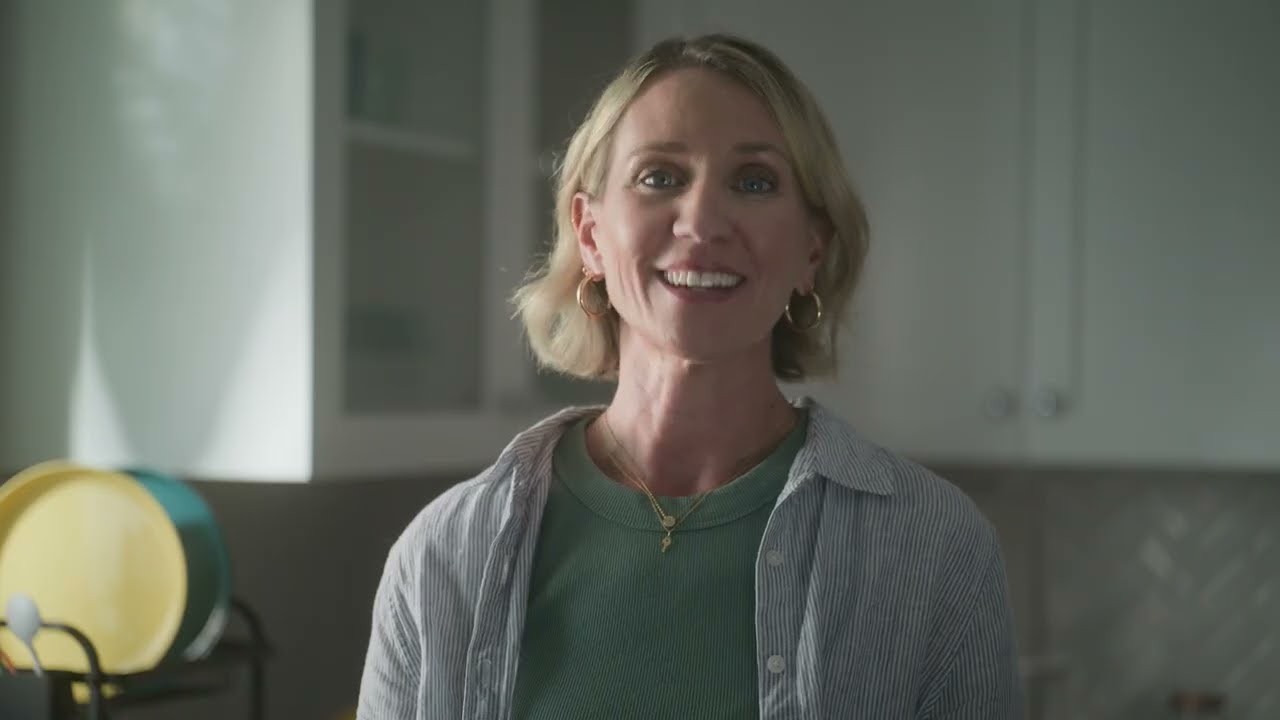
Charity advertising almost always asks you to feel something. Comic Relief’s American arm has made a campaign that asks you to listen to yourself instead. “Not Our Problem” is a public service film and outdoor campaign from Comic Relief US, created with the New York agency Quality Meats, and it consists of adults explaining to camera, with complete sincerity, why child poverty is somebody else’s job.
The excuses are the script. The children are strangers, so the people who know them should help. They could try a little harder and get jobs. Brad Morris directed it deadpan, which is the whole trick: nobody in the film is playing a villain, and every line is one a reasonable person has thought.
The outdoor work runs the same joke. Posters written in the same flat voice point readers to notourproblem.org, a website for a fictional non-profit, which redirects to Comic Relief’s own campaign page. We followed it, and it does.
Comic Relief puts the problem at nearly 12 million American children, roughly one in six, growing up in poverty. “Comedy has the unique power to disarm people and say the truth in a way that gets heard,” chief executive Michele Ganeless said in comments carried by Creative Review. Brian Siedband, co-founder and co-chief creative officer at Quality Meats, described the absurdity as “a Trojan horse to get people to question their own reasons for not doing anything”.
The default setting for this category is sorrow, and it has been since Barnardo’s put a syringe in a baby’s hand. Sorrow works, but it has a cost: the audience has been trained to look away before the second shot. Putting the donor on screen instead of the child sidesteps that reflex, and it is the same structural move behind Always “Like a Girl” and Dove “Real Beauty Sketches”, both of which made the viewer’s own assumption the subject.
The risk is the one satire always carries. A joke about indifference can just as easily let you laugh and leave, having enjoyed watching other people be the problem. What saves this one is that the excuses are good ones, well written and uncomfortably familiar, so the exit is harder to find than it looks. Credits: Quality Meats, chief creative officers Brian Siedband and Gordy Sang, creative directors Matt McCabe and Alyssa Trocina, director Brad Morris, director of photography Beth Napoli, post production Echobend.
Max Rottier
He plans, buys and reviews advertising for a living, and helps score campaigns on the site against the same five Crown Score criteria alongside other authors and contributors.
Opening the Festival of Marketing, Hegarty set out a simple triangle for judging creative work, blamed KPIs for a sea of sameness, and admitted he once had no idea if a famous Audi ad would work.
The IPA Bellwether Report finds a net 14.3 per cent of marketers raised budgets in Q3 2026, with main media at a nine-year high, though the 2027 adspend forecast was cut.
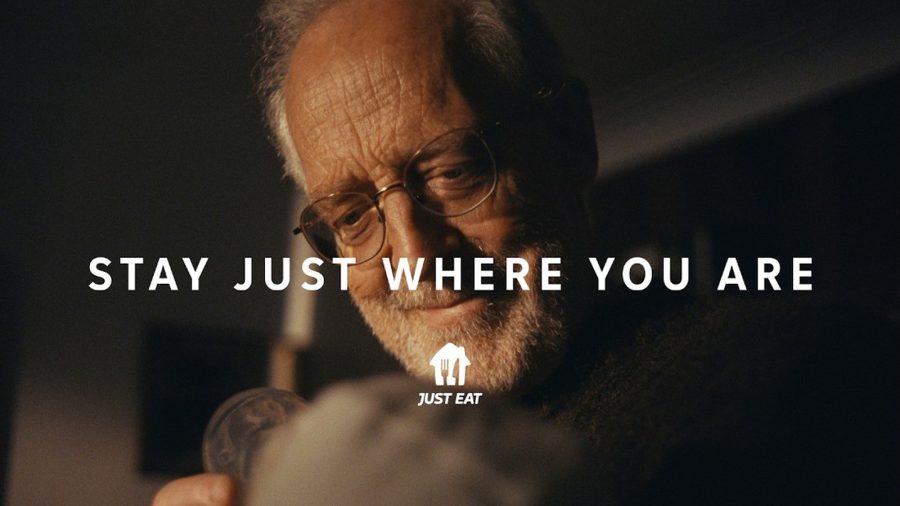
After Snoop Dogg, Katy Perry and Craig David, Just Eat's new global platform by VCCP is built on ordinary moments, led by a grandfather meeting his grandchild.
The Ad Ranking letter
One verdict a week. No press releases.
The campaign worth studying, the ASA ruling worth knowing, and the number nobody else reported. Every Thursday.
One email a week. Unsubscribe in one click. We never share your address.