John Lewis raises brand spend 29% while losses widen
An £89m first-half loss, £246m into the brands, and a pan-partnership loyalty scheme in build. The John Lewis Partnership is betting its recovery on the second half, which means Christmas.
2 min read
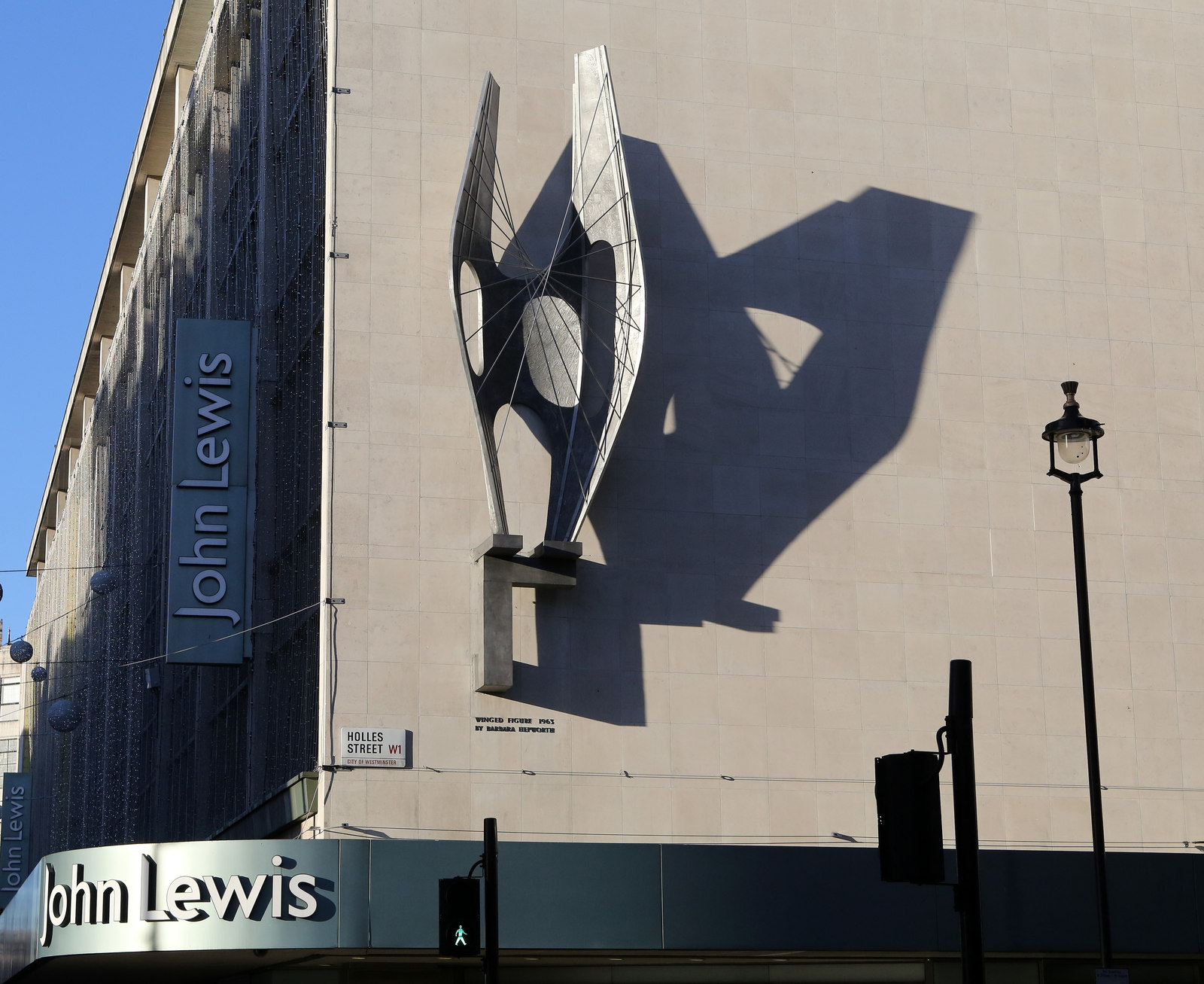
John Lewis, Oxford Street. Photo: Martin Addison, CC BY-SA 2.0, via Wikimedia Commons.
The owner of Britain’s most scrutinised Christmas advertising account is spending more on its brands while losing more money. The John Lewis Partnership’s interim results, presented on 10 September, show first-half pre-tax losses widening to £89m from £34m a year earlier, while investment in the John Lewis and Waitrose brands rose 29 per cent to £246m.
The topline is not the problem. Partnership sales grew 2 per cent to £6.3bn in the 26 weeks to 1 August, with Waitrose up 4 per cent to £4.3bn. The partnership blamed the heatwave, a difficult economy and weak appetite for big-ticket general merchandise, the categories John Lewis lives on. Chairman Jason Tarry told journalists he is confident all of the year’s profit lands in the second half, which for this retailer means one thing: Christmas.
The marketing story inside the numbers is loyalty. Waitrose managing director Tom Denyard told Marketing Week the business is building a pan-partnership loyalty scheme, an idea first floated three years ago, promising “really exciting new capabilities”. Waitrose has put another £20m into permanent price cuts, taking its investment in price to £180m since 2023, and says the Net Promoter Score for its loyalty offer is up 20 points year on year. The partnership is also experimenting with social-first content.
Raising brand investment 29 per cent into a widening loss is a genuine strategic bet, and a familiar one. The evidence base for maintaining brand spend through a downturn is long and consistent, and John Lewis is its most famous British case study: the retailer effectively invented the modern Christmas advertising arms race with The Long Wait in 2011 and rode the compounding returns for a decade.
It also raises the stakes for November. A £246m half-year brand programme, a loyalty scheme in build and a chairman promising a second-half recovery all converge on a single television premiere, at a moment when the Christmas ad canon is harder to break into than ever. The partnership has made the classic long-term argument to its accountants. The 2026 advert now has to make it to the public.
Max Rottier
He plans, buys and reviews advertising for a living, and helps score campaigns on the site against the same five Crown Score criteria alongside other authors and contributors.
Nineteen films, three agencies and one department store that turned a November television break into a national event. Every John Lewis Christmas advert from 2007 to 2025, ranked, with agency, director and music for each.
Dougal Wilson's 2011 film for John Lewis held one twist back until the final seconds, and turned the UK festive schedule into an annual creative arms race.
Opening the Festival of Marketing, Hegarty set out a simple triangle for judging creative work, blamed KPIs for a sea of sameness, and admitted he once had no idea if a famous Audi ad would work.
The Ad Ranking letter
One verdict a week. No press releases.
The campaign worth studying, the ASA ruling worth knowing, and the number nobody else reported. Every Thursday.
One email a week. Unsubscribe in one click. We never share your address.