John Lewis, The Long Wait: the advert that started the Christmas arms race
Dougal Wilson's 2011 film for John Lewis held one twist back until the final seconds, and turned the UK festive schedule into an annual creative arms race.
88/100
6 min read
John Lewis, Adam & Eve, London (acquired by DDB in May 2012 and renamed adam&eveDDB), 2011.
Crown Score
88/100
Idea9
Craft9
Bravery7
Effectiveness9
Legs10
One thought, executed with unusual discipline and backed by an IPA Grand Prix, held back from the top only because it refined a format John Lewis had already proved rather than risking a new one.
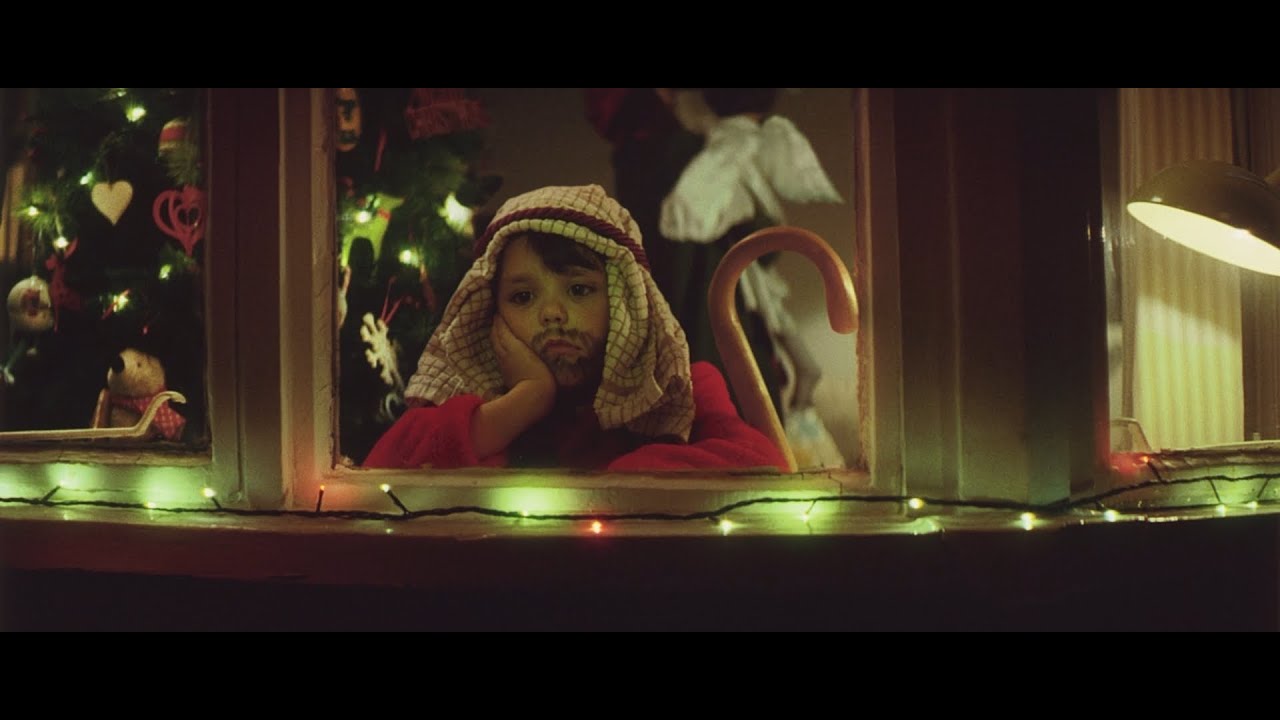
A boy paces his bedroom, glares at a clock and shakes a wrapped present. For eighty seconds the film lets you assume he is desperate for Christmas morning because of what he is about to receive. He is not. That single reversal, held back until the last few seconds, is why the John Lewis advert of 2011 remains the most imitated piece of Christmas film Britain has made.
Our take: the cleanest emotional twist in British retail advertising, and the film that turned the festive schedule into an annual creative arms race.
Credits
Client: John Lewis
Agency: Adam & Eve, London, bought by DDB in May 2012 and renamed adam&eveDDB
Creative directors: Ben Priest, Ben Tollett, Emer Stamp
Creatives: Matt Gay, John Long
Director: Dougal Wilson
Production company: Blink Productions
Post production: MPC
Media agency: Manning Gottlieb OMD
Music: Please, Please, Please, Let Me Get What I Want, written by The Smiths, performed by Slow Moving Millie
Launched: November 2011
The problem: a department store cannot win on price
John Lewis had been making Christmas films since 2007, but the run that matters began in mid 2009. The retailer was trading through a recession into a market where every rival was shouting about discounts, and a shop whose promise was Never Knowingly Undersold could not out-shout them. The strategic answer, set out in the agency’s IPA Effectiveness paper, was to stop arguing about price and use highly emotional television to make people visit more often and spend more when they did.
By 2011 the format was established: a two minute film, a slowed cover of a well known song, a story about giving. What was not established was whether the format could produce something people would talk about for a decade. The Long Wait was the fifth John Lewis Christmas film and the first one that behaved like an event.
The idea: a boy who cannot wait to give
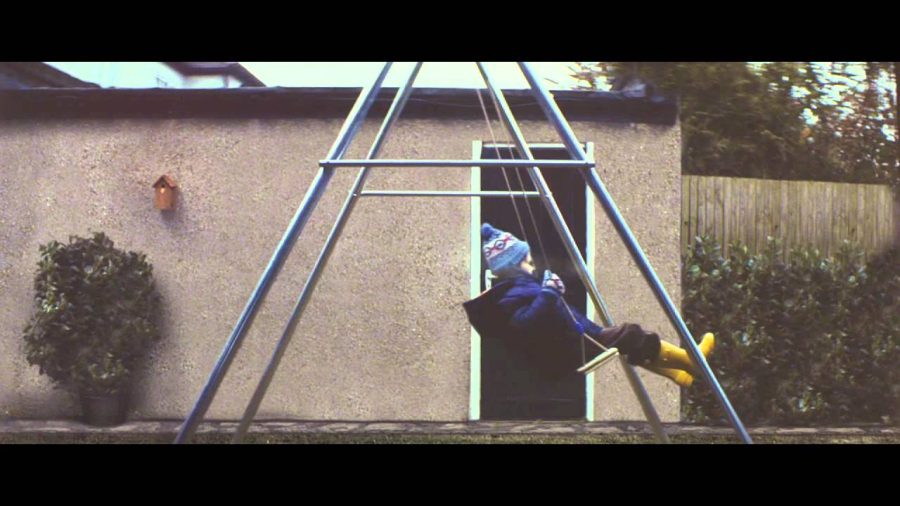
The whole campaign is one sentence long, and a stranger can repeat it: a child counting down to Christmas turns out to be counting down to the moment he can hand over a present, not open one. Everything before the reveal is deliberate misdirection built out of behaviour every parent recognises. He drums his fingers, stares out of the window, tries to hurry a clock along by force of will and eats his dinner at speed so bedtime arrives sooner.
The misdirection works because it never lies to you. Nothing in the film says the boy is greedy, it simply lets you assume it, which means the ending corrects the audience rather than the character. That is a much warmer trick than a joke at anyone’s expense, and it is why the film survives repeat viewing when the surprise has gone.
The craft
Direction and casting
Dougal Wilson directs it as a short film rather than a commercial, which mostly means he trusts stillness. There is no voiceover, no dialogue and no product until the endline, and the camera holds on the boy long enough for boredom to become a performance in itself. The single most quoted shot, the child glowering at a clock face, works only because Wilson lets it run past the point a nervous director would cut.
The casting carries the rest. Lewis McGowan was seven when he was picked from around 250 children, and he plays impatience without a single cute mannerism. The house is under-decorated by advertising standards, the parents are barely characters, and the film never once cuts to a shop floor. Restraint is the whole technique.
The soundtrack
Slow Moving Millie, the recording name of Amelia Warner, covers The Smiths’ Please, Please, Please, Let Me Get What I Want at roughly half speed. The lyric is doing double duty, first as the plea of a child who wants a present, then as something closer to a wish granted in reverse. It is the sharpest song choice of the entire John Lewis run because the meaning of the words changes with the twist rather than merely decorating it.
It also worked as a release. The Official Charts Company reported on 16 November 2011 that the track had climbed 130 places to number 38 in the midweek update, with the film already past 1.2 million views online. A television ad that puts a song into the top 40 is not a media buy, it is a distribution channel.
The results
John Lewis reported sales up 9.3 per cent year on year to £596m in the five weeks to 31 December 2011, with online up 27.9 per cent and the week to Christmas Eve up 32.7 per cent. Those are trading figures rather than isolated advertising effects, and no serious reader should treat them as the same thing. The isolated effect came later, and it is unusually well evidenced.
Adam & Eve and Manning Gottlieb OMD entered the campaign for the 2012 IPA Effectiveness Awards and won the Grand Prix. The paper, covering roughly mid 2009 to the end of 2011 and therefore including this film, modelled £1,074m of incremental sales and £261m of incremental profit. That is the evidence base for calling The Long Wait effective rather than merely famous.
The platform kept paying. A later paper, An Amazing Decade, took an IPA Gold in 2020 by modelling the 2010 to 2019 Christmas campaigns at £1.2bn of incremental sales and £411m of net profit, with a profit return of up to £10 for every £1 invested. Few British campaigns have been marked this thoroughly by other people’s numbers.
The legacy: the race it started
Creative Review’s oral history of the film puts the consequence bluntly.
And thus, the Christmas advertising arms race was born, as other brands hankered after their own blockbuster-style festive tearjerker.
That race is now an industry in itself. UK advertising spend in the final quarter of 2025 was forecast by the Advertising Association and WARC to hit £12.0bn, up 7.3 per cent on the same quarter a year earlier. Not all of that is festive storytelling, but the annual ritual of trailing, leaking and reviewing Christmas films is a direct descendant of what happened in November 2011. Our ranking of the best Christmas adverts is, in a sense, a document of the aftermath.
John Lewis kept the format for more than a decade, then changed agency. Saatchi & Saatchi took over the brand’s creative account and made Where Love Lives for Christmas 2025, ending a run that adam&eveDDB had held since 2009. The format outlived the agency that built it, which is the clearest possible proof that the idea was structural rather than stylistic.
What to steal
Let the audience make the wrong assumption on their own. Misdirection that never states a falsehood ages far better than a gag.
Pick a lyric whose meaning flips at the reveal, not one that merely matches the mood.
Cut nothing to the product until the last frame. The absence of a shop floor is what makes the endline land as a signature rather than a sell.
Hold shots past the comfortable point. Boredom is a performance, and it cannot be conveyed in three second cuts.
Build a format, not a film. The reason the numbers reached £1bn is that the same structure could be re-run every year.
The verdict
The Long Wait is a two minute film with one thought in it, executed with more discipline than almost anything else in British retail advertising, and backed by an IPA Grand Prix rather than by applause. It loses marks only on bravery, because by 2011 John Lewis was refining a format that already worked rather than betting the business on a new one. Everywhere else it is close to the ceiling, and it earns its place on evidence as much as affection. If you want to know how we arrived at the numbers below, read how we score.
What to steal
Let the audience make the wrong assumption on their own, without ever stating a falsehood
Choose a lyric whose meaning flips at the reveal rather than one that matches the mood
Keep the product out of the film until the final frame
Hold shots past the comfortable point, because boredom cannot be played in three second cuts
Build a repeatable format rather than a single film
Max Rottier
He plans, buys and reviews advertising for a living, and helps score campaigns on the site against the same five Crown Score criteria alongside other authors and contributors.
Nineteen films, three agencies and one department store that turned a November television break into a national event. Every John Lewis Christmas advert from 2007 to 2025, ranked, with agency, director and music for each.
An £89m first-half loss, £246m into the brands, and a pan-partnership loyalty scheme in build. The John Lewis Partnership is betting its recovery on the second half, which means Christmas.
McCann Erickson took the Bisto Kids' hundred-year-old 'Aah' and turned it into a booked appointment. A review of the Bisto advert that sold an occasion, not gravy.
The Ad Ranking letter
One verdict a week. No press releases.
The campaign worth studying, the ASA ruling worth knowing, and the number nobody else reported. Every Thursday.
One email a week. Unsubscribe in one click. We never share your address.