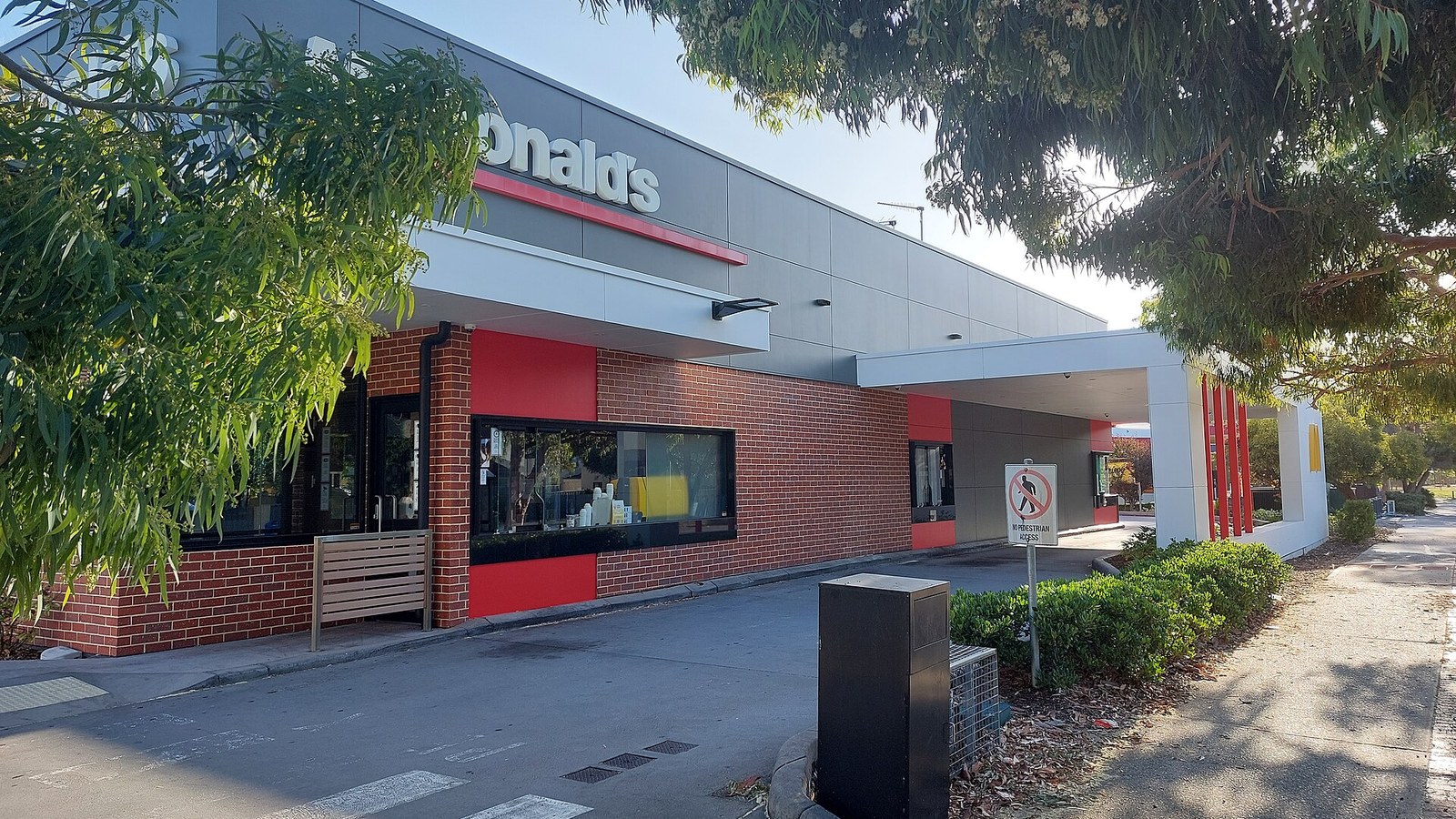
McDonald’s is going into the advertising business. At its investor day on Wednesday the company said it has been piloting a McDonald’s Media Network in 450 company-owned US restaurants since August, selling space to other brands on its digital drive-thru menu boards, and that it wants to build it into a billion-dollar business. The plan is to extend it across the app, the ordering kiosks and the restaurants themselves.
What the McDonald’s Media Network is
It is a retail media network, the model Amazon, Walmart, Tesco and Boots have used to turn their customer data and screens into advertising income. McDonald’s has the two things those networks need, which is a huge logged-in audience in its app and loyalty scheme, and physical screens that people stare at while they decide what to order. Morgan Flatley, global chief marketing officer, told investors that “commerce media is one of the fastest-growing areas in advertising” and put the US market at more than $100bn by 2028, as Marketing Dive reported.
It is early. The pilot has not reached the franchisees who run the vast majority of McDonald’s roughly 14,000 US restaurants, and there is no word yet on international markets or which brands are buying. The margins are the attraction, because the screens already exist and the audience turns up every day for free.
Fewer, bigger campaigns
The media network came with a change to how McDonald’s markets itself. The company says it will run fewer, bigger campaigns on a simpler calendar, double its investment in always-on work about taste, quality and value, and cut back on short-term promotions. Chief executive Chris Kempczinski said better food makes the business “less dependent on whether you have the right movie property this month”, a pointed line from a chain whose recent calendar has been full of film tie-ins and celebrity meals.
Why it matters
Every business with a screen and a queue now thinks it is a media owner, and most are right. For brands, a drive-thru board is a genuinely new placement, seen by a hungry person at the moment of purchase, and snacks, drinks and entertainment companies will be the obvious early buyers. For McDonald’s own marketing the risk is clutter, because the menu board is the last thing a customer reads before choosing, and selling it to someone else is only worth it if it does not cost a Big Mac sale.
The bigger story is the second half. A brand of McDonald’s size saying out loud that it is swapping promotions for brand building is the same argument Next made this month when it published the return on its marketing spend. And retail media is heading into every channel at once, from the checkout to ads inside ChatGPT. For how the buying behind it works, see our programmatic explainer.