PepsiCo House of Brands: its first corporate campaign pretends to rename the company
Only 18 per cent of people link PepsiCo to anything but Pepsi, so its first ever corporate campaign has Cheetos, Quaker and Gatorade bidding for the company name.
2 min read
PepsiCo, 2026.
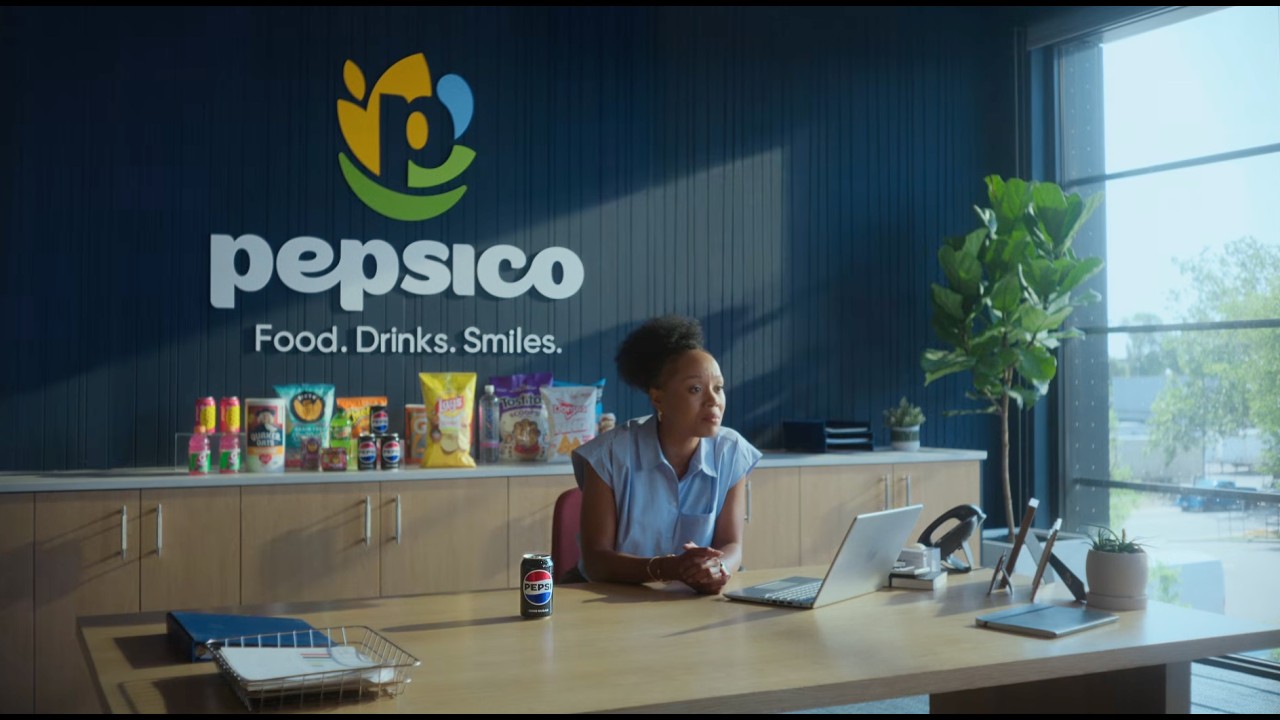
PepsiCo has launched the first corporate brand campaign in its history, and it opens with a joke at its own expense. In PepsiCo House of Brands, which went live on 17 September, the company’s best-known products take turns pitching to have the whole business renamed after them: CheetosCo, QuakerCo, Lay’s-Co and Gatorade-Co all get a hearing.
The problem PepsiCo House of Brands is solving
The company owns more than 500 brands, including Walkers, Doritos, Gatorade, Quaker and newer arrivals such as Poppi. By its own figures, only 18 per cent of people connect PepsiCo with anything beyond Pepsi. The social-first film, called The Pitch, is the company’s answer, and its punchline is the corporate name itself: “We are one big happy PepsiCo family. We repeat, PepsiCo.”
It follows a refreshed corporate identity introduced last year and is meant to make the parent brand visible on packs, in communications and across sponsorships including Formula 1, according to PepsiCo’s own announcement. Marketing Week noted that Coca-Cola tried something similar in 2024 with New Guy, a film bringing its drinks together.
Why a holding company wants to be famous
Shoppers do not buy PepsiCo. They buy crisps. So the audience for this is not really the public: it is investors, retailers, recruits and regulators, the people who deal with the company rather than its products. A parent brand that stands for something is worth money in every one of those conversations, which is why Unilever and Procter and Gamble have both spent on the same idea.
The risk runs the other way. Tie the brands to the parent and a problem in one becomes a problem for all, which is the argument for keeping a house of brands at arm’s length in the first place. For a British reader the interesting test is Walkers, a brand so local that most people would be surprised to learn who owns it. We set out how these structures work in our guide to who owns whom, and the question of what makes a brand stick in our explainer on brand platforms.
Max Rottier
He plans, buys and reviews advertising for a living, and helps score campaigns on the site against the same five Crown Score criteria alongside other authors and contributors.
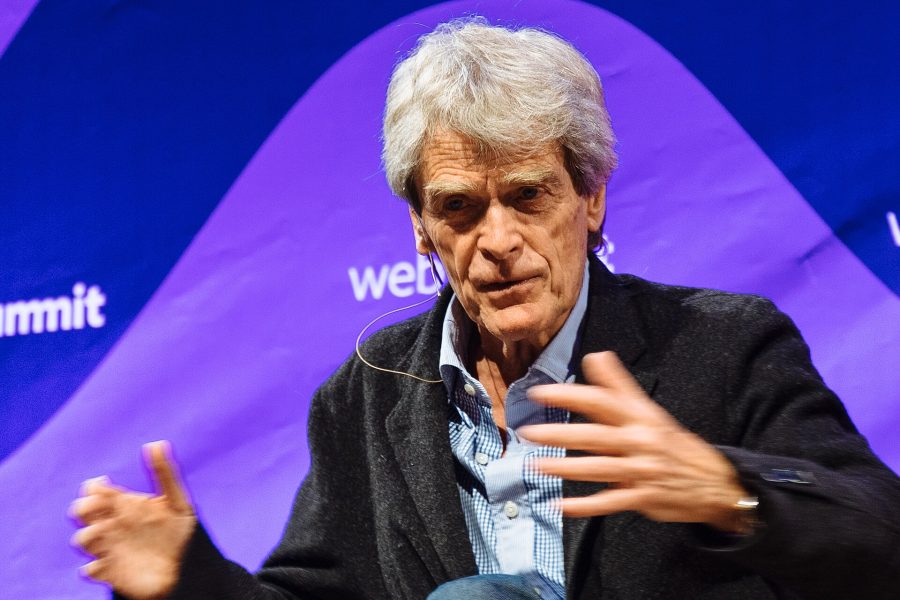
Opening the Festival of Marketing, Hegarty set out a simple triangle for judging creative work, blamed KPIs for a sea of sameness, and admitted he once had no idea if a famous Audi ad would work.
The IPA Bellwether Report finds a net 14.3 per cent of marketers raised budgets in Q3 2026, with main media at a nine-year high, though the 2027 adspend forecast was cut.
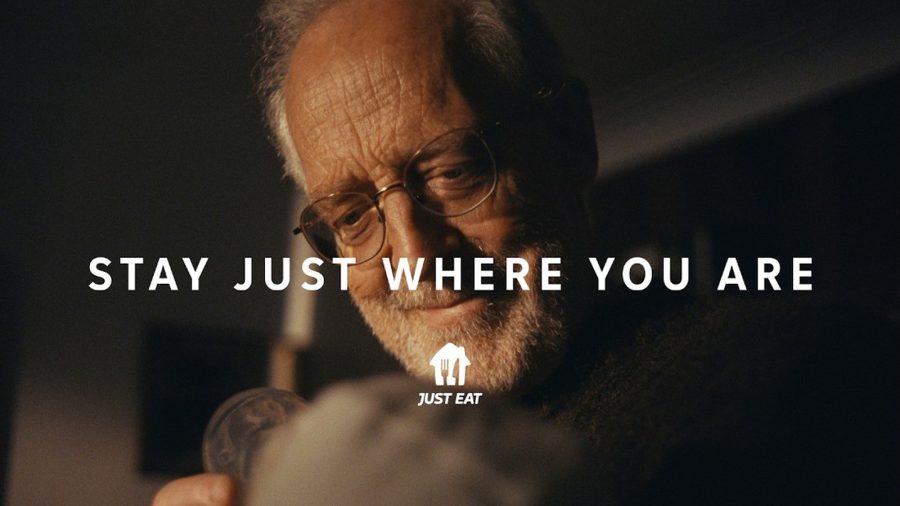
After Snoop Dogg, Katy Perry and Craig David, Just Eat's new global platform by VCCP is built on ordinary moments, led by a grandfather meeting his grandchild.
The Ad Ranking letter
One verdict a week. No press releases.
The campaign worth studying, the ASA ruling worth knowing, and the number nobody else reported. Every Thursday.
One email a week. Unsubscribe in one click. We never share your address.