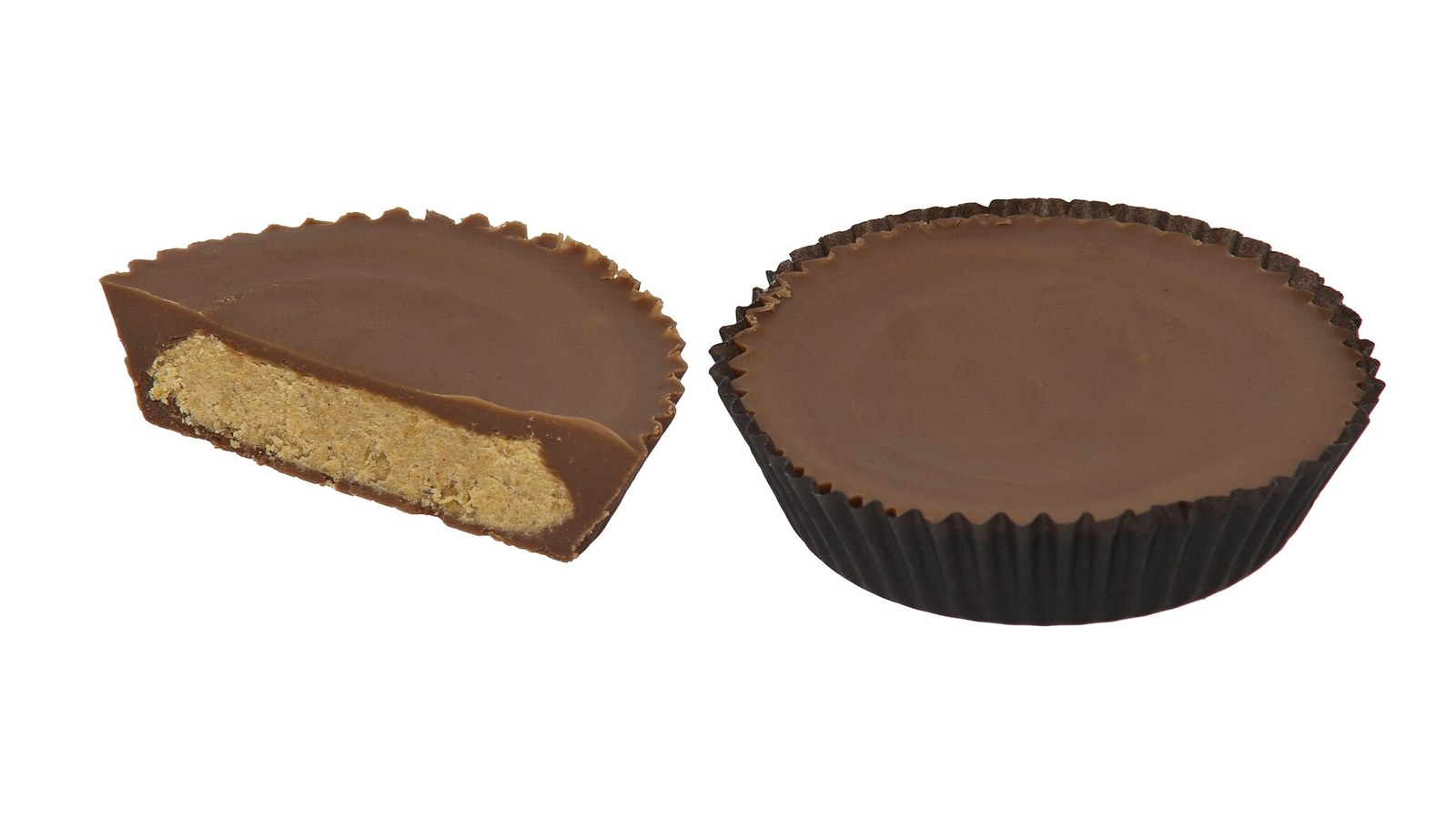
The Trade Desk has had an advert banned under the UK’s new junk food rules, even though it does not sell food. The Advertising Standards Authority ruled on Wednesday that a LinkedIn post from the ad tech company, which used a picture of Reese’s Peanut Butter Cups to show off what its platform does for snack brands, counted as a paid online advert for a less healthy product. The same batch of rulings also banned posts for the chicken shop chain Morley’s and the restaurant group San Carlo.
Why The Trade Desk ad was banned
The promoted post ran on LinkedIn in January with the line “Making brands like Reese’s the snack they always reach for”, next to an image of a two-pack of the peanut butter cups. The Trade Desk argued it is a media platform, not a food company, that the post was aimed at UK marketing professionals, and that anyone reading it would see an advert for its services. The ASA disagreed. It found the Reese’s product was prominent and specific rather than generic, so people could reasonably read the ad as promoting both The Trade Desk and a less healthy chocolate product, which breaks rule 15.19 of the CAP Code, according to the ruling.
Morley’s and San Carlo
Morley’s was ruled against for a paid Instagram post by the south London boxer Ellie Scotney, showing two open boxes of battered chicken and fries in front of her gym bag. Morley’s accepted it had paid for the post and said it had not known about the new rules, then took the post down and audited its social channels.
San Carlo’s case is the more instructive one. An influencer posted the breakfast menu at its Cicchetti restaurants, with the caption “Croissants THIS BIG should be illegal!!”, after a launch invitation from its PR agency that asked for at least three Instagram Story frames and a grid post. San Carlo argued it had no editorial control. The ASA said free food in return for a required post is payment, that the post needed a clear #ad label, and that all seven menu items shown were less healthy under the rules.
What the rules say
Since 5 January 2026, paid online advertising for identifiable less healthy food and drink has been banned in the UK at any time of day, and TV adverts for the same products can only run after 9pm. Brand advertising that does not show a specific product is still allowed, which is why so many food brands now show a logo and a mood rather than a burger. The first rulings under the regime came in July.
Why it matters
The Trade Desk ruling is the one agencies should pin to the wall. It means any company that shows a client’s product in its own marketing can be caught, whether that is an ad tech platform, a media owner or an agency case study on a sponsored LinkedIn post. The defence that the audience is only marketers did not work, and nor did the argument that the advertiser is not in the food business.
The San Carlo case closes another gap, the gifted meal in exchange for content, which is exactly how a lot of restaurant launches are marketed. For the wider rulebook, see our guide to UK advertising rules, and for this month’s other big food and drink ban, BrewDog’s bottomless beer. If you have seen an ad you think breaks the rules, here is how to complain to the ASA.