Alzheimer’s Research UK bets on optimism with The First One
Beyond's new campaign for Alzheimer's Research UK ditches charity sadvertising for a single-shot film arguing the first person cured may already be alive, voiced by Aimee Lou Wood.
2 min read
Alzheimer's Research UK, Beyond, 2026.
Alzheimer’s Research UK has launched a campaign built on a question charity advertising almost never asks: what if this gets fixed? “The First One”, by the independent agency Beyond, argues that somewhere in a British crowd the first person to be cured of Alzheimer’s may already be walking around.
The hero film is a single continuous shot drifting through a busy park, passing picnickers, joggers and grandparents, any of whom might be the one. Saman Aminzadeh directed it through LoveSong, and it was photographed by Robbie Ryan, the cinematographer behind Poor Things. Aimee Lou Wood reads the voiceover, and the soundtrack, with a straight face, is by The Cure.
The charity’s own copy stands the optimism up: more than 150 dementia drugs are in clinical trials, which is why the line runs “somewhere, someone alive today could be the first one cured of Alzheimer’s”. The campaign covers TV, radio, social and cinema ahead of World Alzheimer’s Day on 21 September, with mirrored posters that reflect passers-by into the advertising, rebuilt Pearl and Dean cinema idents, and a partnership with The Rest Is History podcast. Creative Review reported the launch and carries the full credits.
The interesting part is the strategy it extends. Beyond’s previous platform for the charity, For a Cure, took the same research-first line in 2023, and the charity says income has risen 32 per cent since, while its YouGov ranking for belief in cause among UK charities climbed from fourteenth to eighth. Dementia is the UK’s biggest killer and touches one in two of us, directly or as a carer, so the audience does not need the problem explained. It needs a reason to believe money changes the ending.
The sector calls the old default “sadvertising”, and abandoning it is becoming a movement. Comic Relief’s US arm swapped sorrow for satire last week, and this swaps it for hope backed by trial data. Both rest on the same insight, which powered Always “Like a Girl” a decade ago: an audience that has learned to look away needs a different reason to look, not a louder version of the same one.
Max Rottier
He plans, buys and reviews advertising for a living, and helps score campaigns on the site against the same five Crown Score criteria alongside other authors and contributors.
Opening the Festival of Marketing, Hegarty set out a simple triangle for judging creative work, blamed KPIs for a sea of sameness, and admitted he once had no idea if a famous Audi ad would work.
The IPA Bellwether Report finds a net 14.3 per cent of marketers raised budgets in Q3 2026, with main media at a nine-year high, though the 2027 adspend forecast was cut.
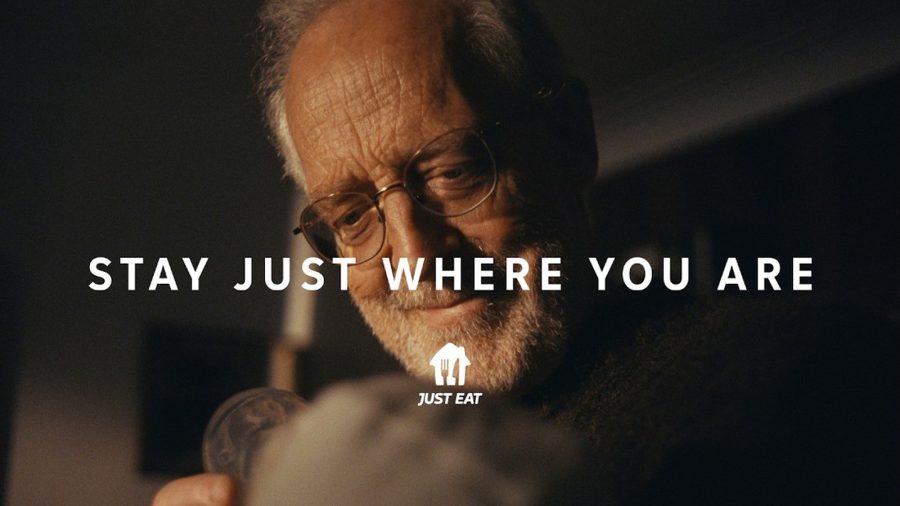
After Snoop Dogg, Katy Perry and Craig David, Just Eat's new global platform by VCCP is built on ordinary moments, led by a grandfather meeting his grandchild.
The Ad Ranking letter
One verdict a week. No press releases.
The campaign worth studying, the ASA ruling worth knowing, and the number nobody else reported. Every Thursday.
One email a week. Unsubscribe in one click. We never share your address.