Go.Compare admits its famous opera ads were ‘undermining our performance’
Go.Compare's marketing chief says awareness in the low 90s hid 'alarmingly low' preference because people found the ads irritating. Four years of turning the volume down has lifted preference 12 per cent.
2 min read
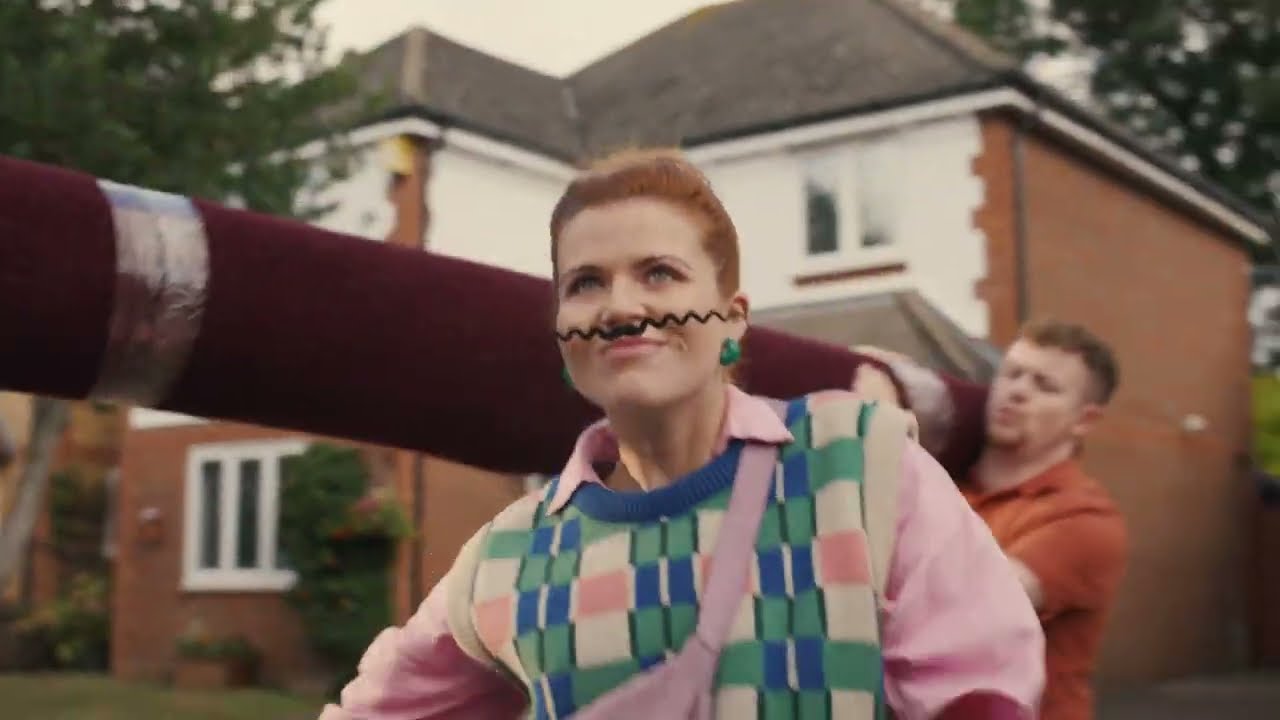
Go.Compare, Feel the Tache, 2025.
Go.Compare has admitted that the advertising which made it famous was hurting the business. Speaking at Thinkbox’s Vision 2026 event this month, vice-president of marketing Paul Rogers said the brand’s awareness was extraordinary but its preference was “alarmingly low” when he arrived, because people found the ads irritating. “It was a real shame that our advertising, although it drove our fame and our awareness, was undermining our performance,” he said, as Marketing Week reported.
Famous, and not liked
The numbers explain the problem. Go.Compare’s spontaneous awareness sits in the low 90s, a figure most brands would never reach, built on the moustachioed tenor Gio Compario and a jingle nobody could get out of their head. But awareness is not the same as wanting to use you. In a category where the product is essentially identical and the choice comes down to which site you trust, a brand that annoys people is at a real disadvantage.
Rogers described the balancing act for financial services: too serious and you are forgettable, too silly and you lose credibility. “It’s a fine line,” he said.
What Go.Compare changed
Over four years the brand has turned the volume down rather than starting again. The full operatic jingle has been played less and less, while the moustache has been kept as the distinctive asset, most visibly in the Feel the Tache ads, in which people sprout a moustache the moment they sort their insurance. It also moved to planning video as one channel across TV, YouTube, Netflix and Sky with the agency Hearts United, and leaned on sponsorship of This Morning, The Voice UK and the Welsh Rugby Union. Preference is up 12 per cent over the period, according to the company.
Why it matters
It is rare for a marketer to say out loud that their own brand’s most famous work was a drag on sales, and it is a useful corrective to the idea that fame is always efficient. Fame is only efficient if people like what they are famous for. Go.Compare’s rival Compare the Market spends roughly three times as much on media, Rogers said, and its meerkats have always been annoying in a way people enjoy. That is the difference.
The smart part of the fix is what Go.Compare kept. It did not throw away the moustache, which carries 17 years of recognition, it just stopped shouting. For the full story of the character, see our review of Gio Compario, and for the rival that got the tone right, the Compare the Market meerkat.
Max Rottier
He plans, buys and reviews advertising for a living, and helps score campaigns on the site against the same five Crown Score criteria alongside other authors and contributors.
Opening the Festival of Marketing, Hegarty set out a simple triangle for judging creative work, blamed KPIs for a sea of sameness, and admitted he once had no idea if a famous Audi ad would work.
The IPA Bellwether Report finds a net 14.3 per cent of marketers raised budgets in Q3 2026, with main media at a nine-year high, though the 2027 adspend forecast was cut.
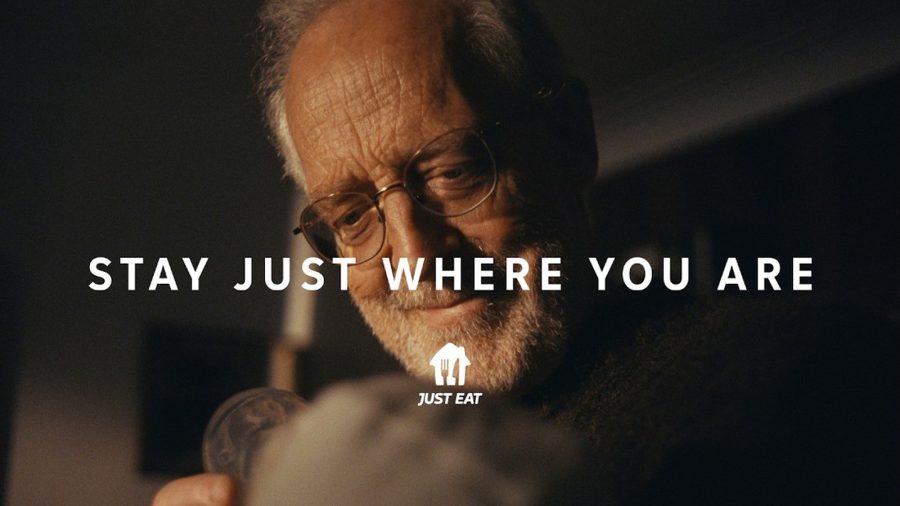
After Snoop Dogg, Katy Perry and Craig David, Just Eat's new global platform by VCCP is built on ordinary moments, led by a grandfather meeting his grandchild.
The Ad Ranking letter
One verdict a week. No press releases.
The campaign worth studying, the ASA ruling worth knowing, and the number nobody else reported. Every Thursday.
One email a week. Unsubscribe in one click. We never share your address.