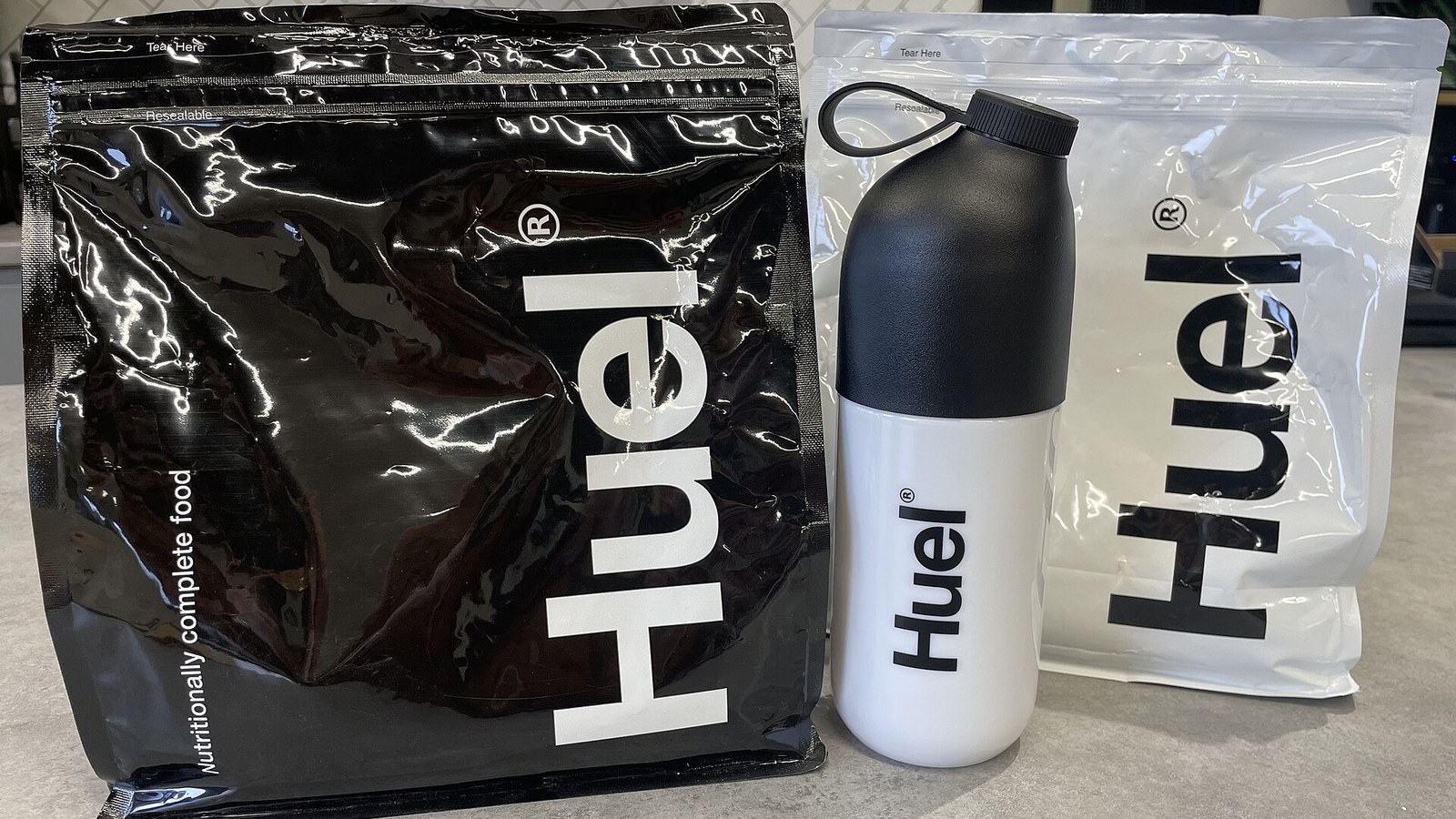
Huel has had two adverts banned by the Advertising Standards Authority for encouraging people to replace all their food with its products and for making health claims it is not allowed to make. The ads, an Instagram video and a YouTube pre-roll that ran in April and May, showed a podcast-style conversation between Huel founder Julian Hearn and the entrepreneur Spencer Matthews, according to the ASA ruling published on Wednesday.
What the Huel ads said
Hearn explains in the clip that he has Huel for breakfast and lunch during the working week, and the Instagram caption made the same point: “Spoiler alert it’s not for every meal”. But Matthews then tells the story of a competitor in an ultra-endurance race who “only eats Huel” and won by a large margin, and Hearn says Huel “gives you everything that you do need”.
Why the ASA banned them
The regulator upheld two complaints. On social responsibility, it found the race anecdote presented living on Huel alone as compatible with, even helpful for, exceptional athletic performance, and that the caption and Hearn’s own habits did not undo that impression. That broke CAP Code rule 1.3.
On health claims, the ASA said the race story implied a benefit to endurance, and that “gives you everything that you do need” was a general health claim. Neither is on the GB register of authorised claims, which breaks rules 15.1, 15.1.1 and 15.2. Huel must not run the ads again, must not suggest its products can fully replace normal food, and must stick to authorised health claims.
Why it matters
Founder-led podcast clips are one of the fastest-growing ad formats because they do not look like ads, and that is exactly the problem here. A casual anecdote in a conversation carries the same legal weight as a headline in a poster, and the ASA judged the whole clip, not the careful caption next to it. Anyone cutting long-form interviews into paid social should read this ruling.
It is the third food and drink ruling on this site in a fortnight, after Whitworths’ “Eat nuts. Live longer” and the first junk food ad bans, and the message is the same each time. Food brands can only promise what the register lets them promise, however true the brand believes the claim to be.