Cadbury “Gorilla”: the drum solo that won Britain back
Fallon's drumming gorilla contained no product, no message and no apology, and it lifted Dairy Milk sales by around a tenth in the year after a salmonella recall.
85/100
4 min read
Cadbury, Fallon, 2007.
Crown Score
85/100
Idea9
Craft9
Bravery9
Effectiveness8
Legs6
A brand in disgrace bought ninety seconds of national joy and was forgiven, with the sales to prove it.
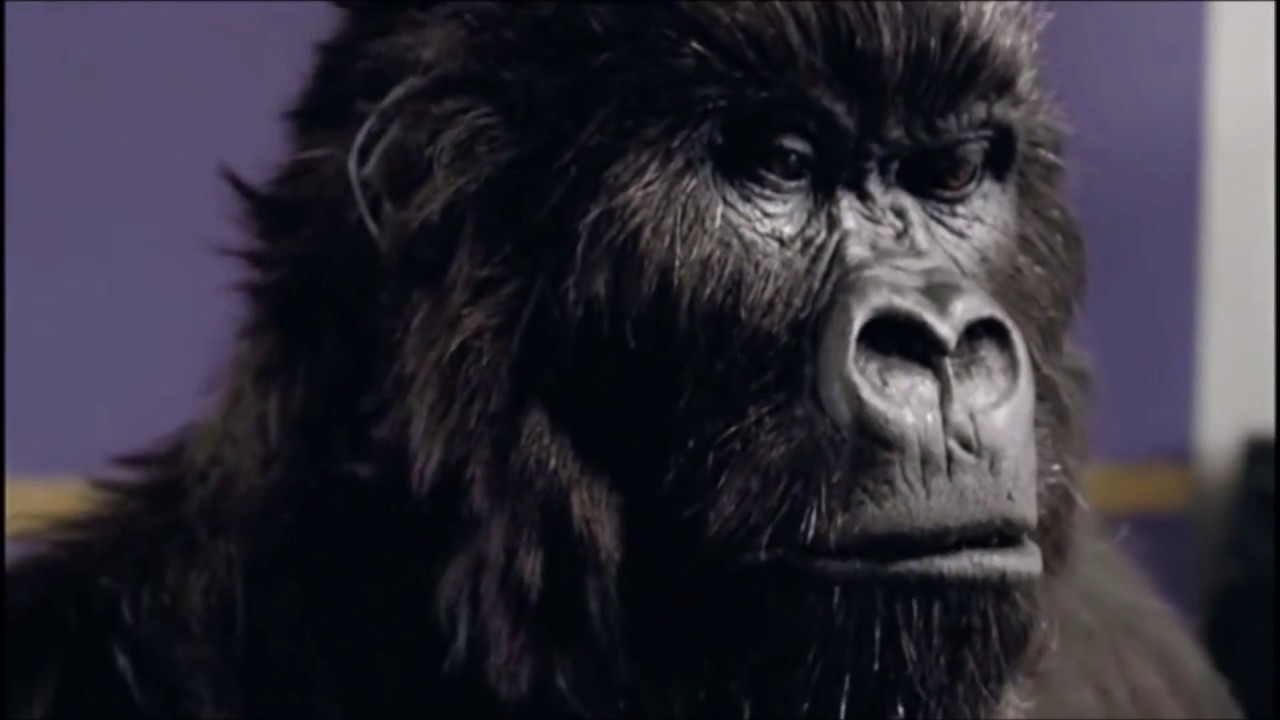
A gorilla sits at a drum kit, eyes closed, jaw working, breathing through the opening bars of Phil Collins’s “In the Air Tonight”. For sixty seconds nothing happens except anticipation. Then the fill lands, the gorilla plays it like a creature who has waited its whole life for this, and the only chocolate in sight is a purple end card. It is the best answer British advertising has ever given to a crisis, and it contains no apology at all.
Credits
Client: Cadbury (Dairy Milk)
Agency: Fallon, London
Executive creative director: Richard Flintham
Creative, copy and art direction: Juan Cabral
Director: Juan Cabral
Production company: Blink
Director of photography: Daniel Bronks
Starring: Garon Michael
Launched: 31 August 2007
The problem
On 23 June 2006 Cadbury recalled seven chocolate products after salmonella was found in its supply chain, and it emerged the company had known about the contamination for months before telling the Food Standards Agency. The following year it was prosecuted over the outbreak and fined £1m. For a 183-year-old brand built on the promise of a family firm that cares, this was the worst available injury.
The diagnosis matters, because it is what makes Gorilla intelligible. Awareness was not the problem: everyone in Britain knew Dairy Milk. Affection was the problem. So the brief Fallon set itself was not to explain, reassure or apologise, but to give people a moment of joy with the brand’s name on it. Internally the thought was expressed as getting the love back.
The idea
Juan Cabral’s script barely qualified as one: a gorilla plays the drum break from “In the Air Tonight”. No product story, no message, no chocolate until the closing shot of a glass and a half of milk pouring into the pack shot. The film was signed off as entertainment first, on the logic that a bar of Dairy Milk is itself a small moment of pleasure, and the ad should feel like one rather than describe one.
It very nearly did not run. As Marketing Week has documented, research on the idea was discouraging and parts of the client organisation were openly sceptical about spending a television budget on a joke with no selling line. Cadbury’s marketers backed judgement over the pre-test, which is a decision worth remembering every time a strange idea meets a cautious room.
The craft
The film’s power is in restraint. Cabral, directing through Blink with Daniel Bronks behind the camera, holds on the gorilla’s face for a full minute before a single drum is struck. The suit, worn by Garon Michael, an actor who had played primates for Hollywood, does the acting with a jaw roll and a neck stretch. The tension between stillness and the coming fill is the whole structure of the piece.
The branding is silent but total. The set is washed in Cadbury purple, the end card is the glass and a half, and the masthead reads “A Glass and a Half Full Productions”. Nobody says the brand name out loud because nobody needs to. This is what distinctive assets are for: they let a brand entertain without interrupting itself to shout.
The results
The 90-second film premiered in the Big Brother final on 31 August 2007 and became one of the first British ads whose life was measured on YouTube as much as on television. The Drum’s retrospective records sales up around 10 per cent and YouGov brand perception measures up 20 per cent in the months after launch, a year after a recall that had sent both in the other direction. At Cannes in 2008 it won the Film Grand Prix.
The legacy
The sequels told their own story. “Airport Trucks” in 2008 repeated the formula, entertainment with no message, and landed flat, because the formula was never the idea. “Eyebrows” in 2009 recovered by being genuinely strange again. The Gorilla film itself proved unrepeatable, which is part of why it still tops best-ever lists: it was a one-off act of nerve, not a template.
Its longer legacy is the argument it settled. Gorilla became the standard citation for the case that emotional response, not message recall, is what television is for, an argument later formalised in the planning literature by Binet and Field. Every purely emotional brand film made in Britain since owes it a royalty.
What to steal
Diagnose before you write. Cadbury’s problem was affection, not awareness, so entertainment beat apology.
Give before you ask. Ninety seconds of pleasure earned more goodwill than any message could.
Let distinctive assets do the branding. Purple and a glass and a half meant the film never had to sell.
When the room feels something the pre-test cannot measure, back the room.
The verdict
A brand in disgrace bought ninety seconds of national joy and was forgiven for a food safety scandal without ever mentioning it. The gamble was enormous, the craft was exact, and the effect was measured. Gorilla is not a template, and that is the point: it is what happens when a diagnosis is right and everyone holds their nerve.
What to steal
Diagnose before you write: affection, not awareness, was the problem
Give before you ask: entertainment earned what apology could not
Let distinctive assets do the branding so the film never has to sell
When the room feels something the pre-test cannot measure, back the room
Max Rottier
He plans, buys and reviews advertising for a living, and helps score campaigns on the site against the same five Crown Score criteria alongside other authors and contributors.
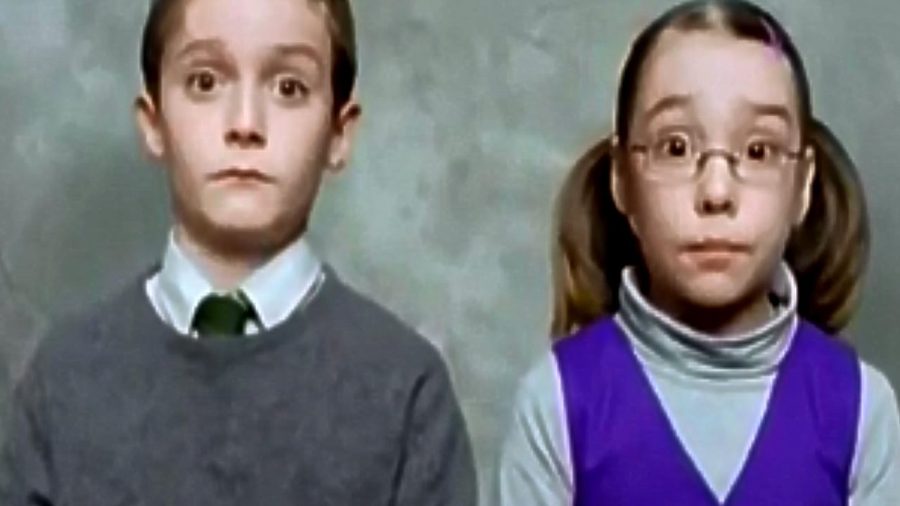
Fallon followed a drumming gorilla with two children and four eyebrows, and out-viewed it on YouTube inside three weeks. Tom Kuntz directed, and nobody ever published a sales number.
McCann Erickson took the Bisto Kids' hundred-year-old 'Aah' and turned it into a booked appointment. A review of the Bisto advert that sold an occasion, not gravy.
One photograph of Heinz Beanz on two biscuits, no paid media, a day of brand replies and a debate in the House of Commons. Frank PR's Beanz on Bix, reviewed.
The Ad Ranking letter
One verdict a week. No press releases.
The campaign worth studying, the ASA ruling worth knowing, and the number nobody else reported. Every Thursday.
One email a week. Unsubscribe in one click. We never share your address.


 62/100
