 85/100
Cadbury “Gorilla”: the drum solo that won Britain back
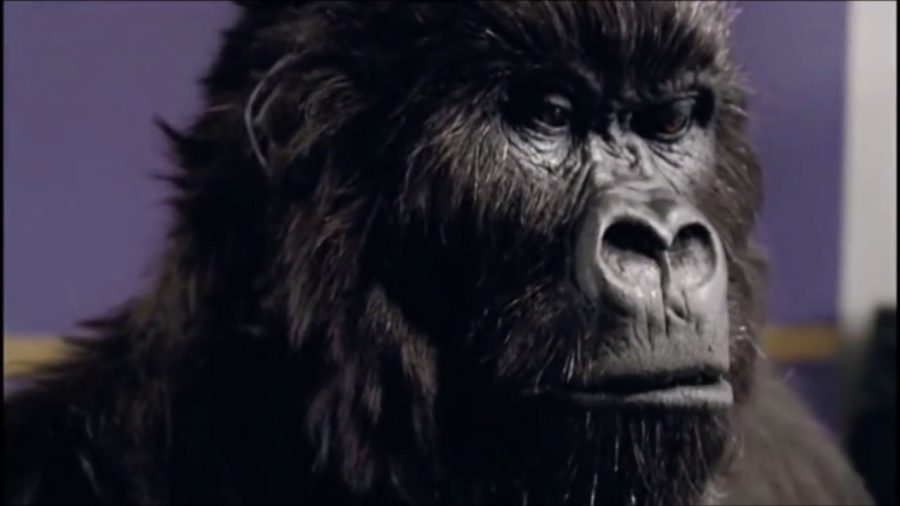
Fallon's drumming gorilla contained no product, no message and no apology, and it lifted Dairy Milk sales by around a tenth in the year after a salmonella recall.

A near-perfect piece of small-canvas craft that proved Gorilla was a platform rather than a fluke, scoring low only on effectiveness because no sales or IPA evidence was ever published for it.
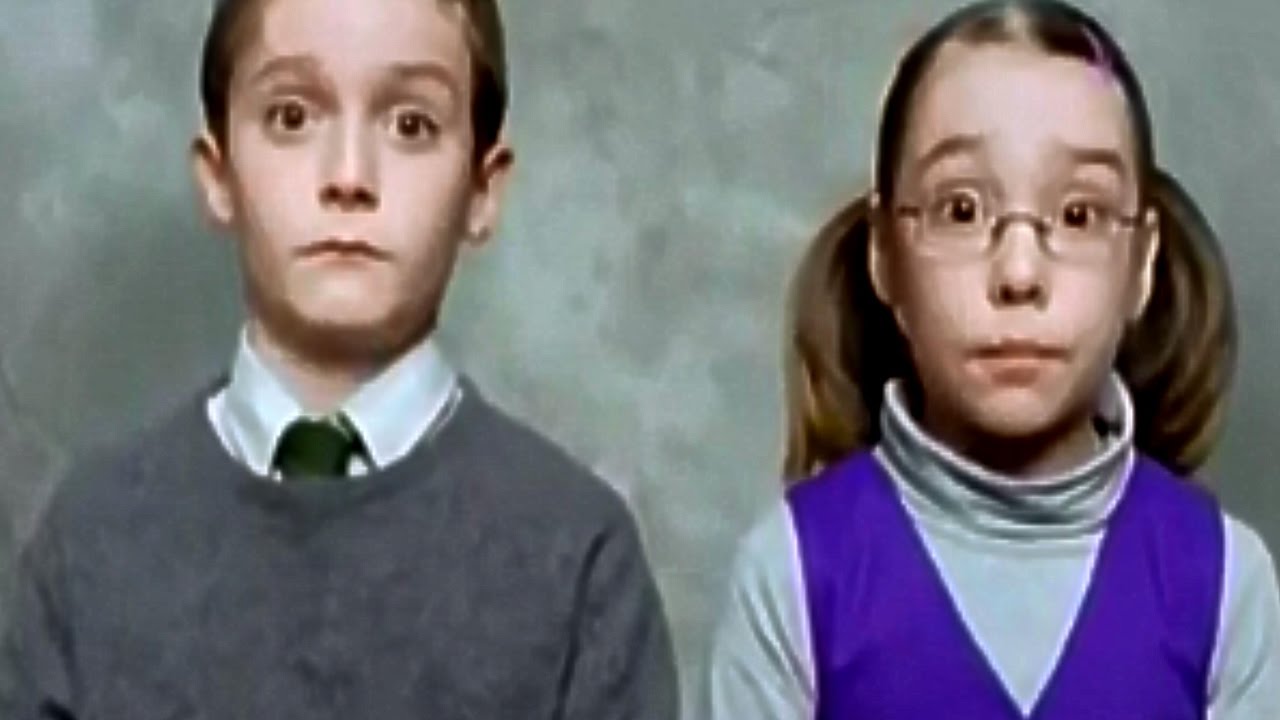
Two children sit for a school photograph. The photographer turns away to answer a telephone, the boy presses a button on his watch, and for the rest of the film almost nothing moves except four eyebrows. The take: the smallest idea Fallon ever sold Cadbury, and the one that proves the agency understood what the platform was actually about.
By January 2009 Fallon had the hardest job in British advertising, which was making the third film in a run that had already peaked. Gorilla had landed on 31 August 2007 and rewritten what a chocolate advert was allowed to be, and the follow-up, Airport Trucks, had arrived in March 2008 to a distinctly cooler reception. Everyone in the industry was waiting to see whether the first one had been a fluke.
The strategic trap was obvious. Gorilla worked because it was enormous, expensive-looking and inexplicable, so the lazy reading of the brief was to go bigger again. Trucks had already tested that reading and found it wanting.
The actual platform was not scale. It was joy arriving unannounced in a place where it has no business being.
Nils-Petter Lovgren’s answer was to shrink the canvas until it fitted on a child’s forehead. Two kids, a school photographer, a stolen moment while the adult is distracted, and a dance performed entirely with the eyebrows. It costs a fraction of a gorilla and it lands the same emotional note, which is the whole argument of the piece.
What makes it a proper idea rather than a stunt is that it is participatory. Anybody watching can attempt it immediately, badly, in front of a mirror or a colleague. Gorilla could be quoted but not copied, whereas this one hands the audience an action.
The endline, “a glass and a half full of joy”, stays the same across all three films. The consistency is doing quiet work here: the idea is the constant, and the execution is free to swing from a drumming primate to a pair of schoolchildren.
Tom Kuntz directed through MJZ, and the appointment is more interesting than it looks. Kuntz’s reputation is built on absurdist comedy timing, and the film needs exactly that discipline, because the entire performance sits within a single locked-off frame against a grey studio backdrop. There is no coverage to save it and no cutaway to hide behind.
The wristwatch is the writing. Instead of the music simply starting, the boy triggers it, which converts a music-video conceit into a conspiracy between two children. It also gives the film a clean in-point and an obvious out-point when the photographer returns, so the whole thing has a beginning, a middle and an end in under a minute.
The casting of Bradley Ford and Georgia Wake carries the rest. The girl is in Cadbury purple, which is the only branding cue in the frame before the endline, and both children play it deadpan rather than cute. The escalation is carefully graded: eyebrows, then ears, then a shoulder, then the full absurdity of a lip-sync performed by facial muscles alone.
The track is “Don’t Stop the Rock” by Freestyle, an eighties electro record that almost nobody in the target audience would have named on sight. That is the correct choice. Gorilla used Phil Collins, a track so familiar it did half the emotional lifting; here the music is a rhythm grid rather than a nostalgia trigger, which keeps the attention on the faces.
On the measure everyone cared about in 2009, it beat its predecessor. Contemporary reporting by the Daily Telegraph put the one-minute film past four million YouTube views within three weeks, roughly double what Gorilla had managed at the same point after release. It also took around 200,000 views on tellyAds, enough to top that site’s chart of the year’s most-watched commercials, with the caveat that Gorilla would have won a third consecutive time had older ads been eligible.
The cultural spread was the other proof. Parody versions ran on Channel 4’s Friday Night Project with Lily Allen and Alan Carr, and on Setanta’s Special 1 TV with puppet versions of Wayne Rooney and Sven-Göran Eriksson. ITV placed it nineteenth in its Ad of the Decade list at the end of 2009. Creative Salon has since revisited it as a reference point for eyebrow-led comedy.
The awards were respectable rather than triumphant: a Wood Pencil for Film at D&AD 2009, against the Film Grand Prix at Cannes that Gorilla had taken in 2008. That gap is the honest summary of the two films’ standing in the industry.
The commercial case is where it thins out badly. Cadbury reported a nine per cent rise in Dairy Milk sales after Gorilla and YouGov measured a twenty per cent improvement in brand favourability, and there is no equivalent published figure for Eyebrows: no IPA case, no Effie, no brand-reported sales lift. Under our scoring, views are attention, not effect, and this film has only the former on the record.
Eyebrows is the point at which the Gorilla platform showed it could scale down as well as up, which should have earned it years of life. What happened instead is that Cadbury’s advertising went somewhere else entirely, and the “glass and a half full of joy” line eventually gave way to a very different reading of the same product truth. VCCP has worked on the brand since 2017 and rebuilt it around generosity rather than joy, a shift you can see whole in Mum’s Birthday.
That later platform has an IPA Effectiveness Grand Prix and a £261m revenue figure attached to it. Eyebrows has four million views in three weeks and a nation of people pulling faces at each other. Both are real outcomes, but only one of them is the kind you can take to a board.
It survives anyway, which is the more interesting fact. Seventeen years on it is still the film people cite when they want to argue that a good idea does not need a budget, and it holds a place in our list of the best advertising campaigns on charm alone.
A near-perfect piece of small-canvas craft that proved Gorilla was a platform rather than a one-off, and the only Cadbury film of that era anybody has ever tried to copy in a mirror. It out-viewed its famous predecessor and out-charmed almost everything else on British television in 2009. It scores low on effectiveness only because nobody ever published a number for it, which is a documentation failure rather than a creative one, and it never got the years of running time an idea this repeatable deserved.

He plans, buys and reviews advertising for a living, and helps score campaigns on the site against the same five Crown Score criteria alongside other authors and contributors.
85/100Fallon's drumming gorilla contained no product, no message and no apology, and it lifted Dairy Milk sales by around a tenth in the year after a salmonella recall.
 63/100
McCann Erickson took the Bisto Kids' hundred-year-old 'Aah' and turned it into a booked appointment. A review of the Bisto advert that sold an occasion, not gravy.
 73/100
One photograph of Heinz Beanz on two biscuits, no paid media, a day of brand replies and a debate in the House of Commons. Frank PR's Beanz on Bix, reviewed.