 63/100
Bisto ‘Aah Nights’: how a 1919 catchphrase became a night of the week
McCann Erickson took the Bisto Kids' hundred-year-old 'Aah' and turned it into a booked appointment. A review of the Bisto advert that sold an occasion, not gravy.

A three word idea a whole company could act on, executed with real strangeness, let down by an effectiveness case that never got written and a story that ends in the launch film.
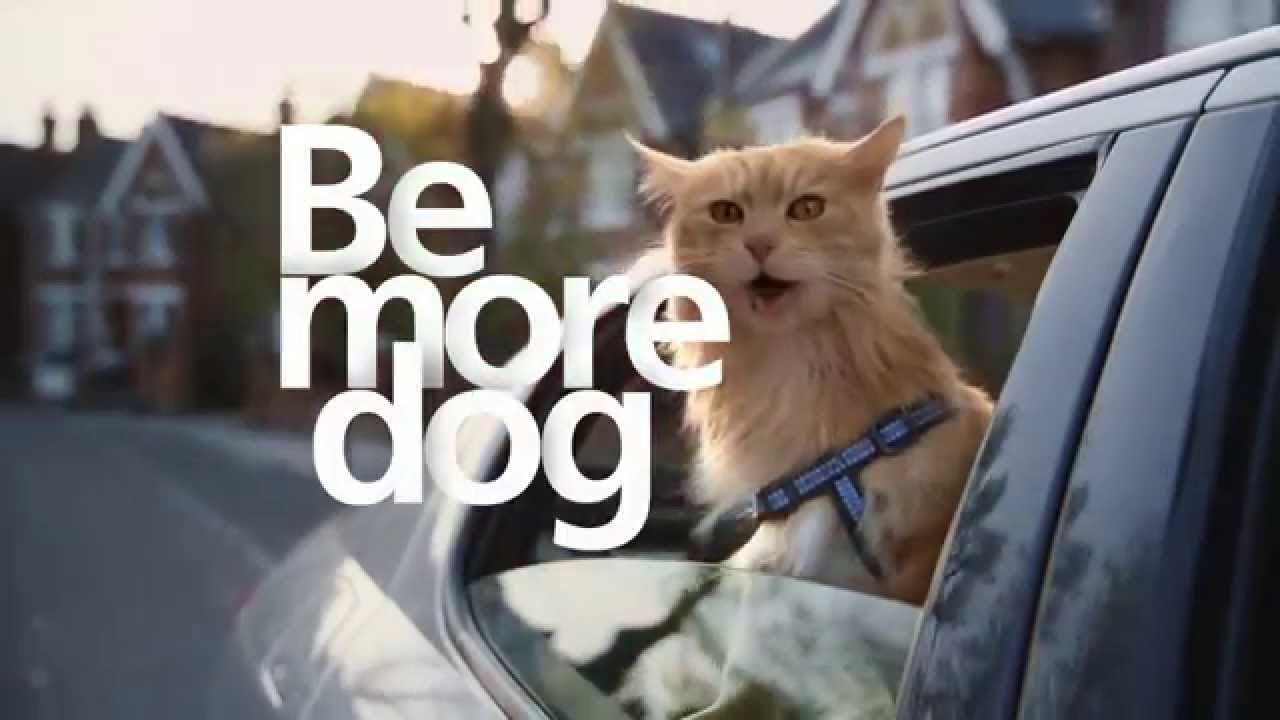
A cat lies on a sofa, bored of everything, and decides to become a dog. He fetches sticks, swims in ponds, chases cars and runs with a pack, and at no point does anyone mention a tariff, a handset or a network. O2 spent its 2013 marketing budget telling the country to cheer up, and it worked well enough that Campaign made it the campaign of the year.
Our take: three words that a stranger could repeat, attached to a product benefit so faint you need a diagram, and still the bravest thing a UK telecoms brand has done this century.
By 2013 the UK mobile market had split into a technology argument and a price argument, and O2 was losing both. EE had 4G first and Kevin Bacon to announce it. Three had cheaper tariffs and, that year, a moonwalking pony that made the whole category look stiff.
O2 had no exclusive network story and no intention of being the cheapest, which leaves the oldest brief in advertising: sell the feeling rather than the feature. The risk with that brief is that you end up with a mood board and a soundtrack. VCCP came back with an instruction instead.
Be more dog is a diagnosis before it is a slogan. It says the reason your phone feels boring is not the phone, it is you, and the fix is to stop being so cat about everything. That reframing lets a network sell enthusiasm for technology without once claiming to have better technology.
Campaign reported that VCCP found part of the thinking in a Louis CK routine about a passenger furious that the brand new in-flight wi-fi had stopped working, a man who had felt entitled to something that had existed for half an hour. Turning that observation into two animals is what makes it briefable across a whole company rather than a single film. O2 ran internal activity encouraging its own staff to be more dog, which is either admirable or ominous depending on where you sit.
It very nearly did not happen. Darren Bailes told Campaign that his team were almost thrown out of O2’s headquarters when they first presented it, and stuck with it anyway. There is no version of this idea that survives a nervous client, which is most of why so few brands own one.
Keith Schofield directed the launch film through Caviar, with MPC handling the post that grafts a cat’s head onto a dog’s body. The effect is deliberately unsettling. Your eye keeps hunting for the seam between the two animals, which holds attention on a sixty second film that has almost no narrative incident.
The casting decision that carries the film is Julian Barratt. He plays the opening ennui as flat, mildly irritated boredom and then swings to genuine enthusiasm without ever sounding like a man doing a funny voice. The Mighty Boosh association buys the script permission to be silly, and the delivery keeps it dry.
The soundtrack is Queen’s Flash, which is a very large piece of music for a small domestic cat and lifts the whole thing into the ridiculous where it belongs. The Drum’s review on launch put its finger on the tone: the self confidence is visible in the first few seconds. Note also what the film does not contain, which is a product, a price, a handset or a demonstration of anything.
The second execution arrived fifteen days later. “Frustration” put the same cat behind the O2 Refresh tariff, written by Nathaniel White and Sam Whigham, art directed by Ben Ducker, again directed by Schofield, with Sean Bean on the closing voiceover. Turning a brand idea into a tariff ad inside a fortnight is the real test of whether a platform works, and it passed.
The engagement numbers are genuinely large for 2013. The launch film took 385,000 YouTube views in its first 48 hours according to the Daily Mirror, and was closer to three million by the December of that year. VCCP’s Shorty Awards entry, which won its telecoms category, claims the campaign generated over 50,000 online conversations and more than a million visits to its campaign pages, and that Unruly ranked it the most shared advert in the UK and fourth most shared worldwide that month.
The same entry reports a positive sentiment peak of 36% against an O2 average of 20%, and commissioned Nielsen research finding that people exposed to the campaign on Twitter were more likely to say they would choose O2 next time they switched. Those are the agency’s own submitted figures rather than an audited case, and they measure intention rather than money.
That is the honest weakness here. There is no published IPA Effectiveness paper, Effie or Cannes Creative Effectiveness case for Be More Dog putting a number on subscribers, churn, revenue or payback. The industry’s own verdict was emphatic, with Campaign naming it campaign of the year and VCCP advertising agency of the year for 2013, but industry admiration is not a business result.
Longer than most people remember, and shorter than the idea deserved. After the July 2013 launch and the Refresh follow up, the cat carried O2’s 4G launch work, a Christmas spot in December 2013 and then a £7m push in May 2014 for the revamped O2 Priority app, in which the cat has become a motivational speaker.
That “life coach” film was written by Courtney Dow, art directed by Juliet McLaren and directed by Ulf Johansson through Smith and Jones, with cameos from England rugby players Mike Brown and Alex Goode. It is competent and it is not the launch film, which was the problem the campaign never solved. Campaign said as much at the time: none of the follow ups lived up to the first.
That is the structural flaw in a campaign built on a single conversion. Once the cat has become a dog, the story is over, and everything after it is a sequel about a reformed character. Compare the run of the Cadbury Gorilla advert, which had the same problem in a more acute form.
Be More Dog is a genuinely rare thing, a three word idea a whole company can act on, executed with enough strangeness to stop people scrolling and enough wit to stop it being smug. It loses marks on effectiveness only because the published evidence is engagement data and an agency award entry rather than an audited business case, and on legs because the story finishes at the end of the launch film. Read our scoring method for why that matters, and our best advertising campaigns ranking for where it sits.

He plans, buys and reviews advertising for a living, and helps score campaigns on the site against the same five Crown Score criteria alongside other authors and contributors.
63/100McCann Erickson took the Bisto Kids' hundred-year-old 'Aah' and turned it into a booked appointment. A review of the Bisto advert that sold an occasion, not gravy.
 73/100
One photograph of Heinz Beanz on two biscuits, no paid media, a day of brand replies and a debate in the House of Commons. Frank PR's Beanz on Bix, reviewed.
 79/100
BMP DDB gave the jokes to Rowan Atkinson and the product line to his assistant. Seventeen films, nine British Arrows, an IPA Gold and a cinema franchise later, a full review.