 63/100
Bisto ‘Aah Nights’: how a 1919 catchphrase became a night of the week
McCann Erickson took the Bisto Kids' hundred-year-old 'Aah' and turned it into a booked appointment. A review of the Bisto advert that sold an occasion, not gravy.
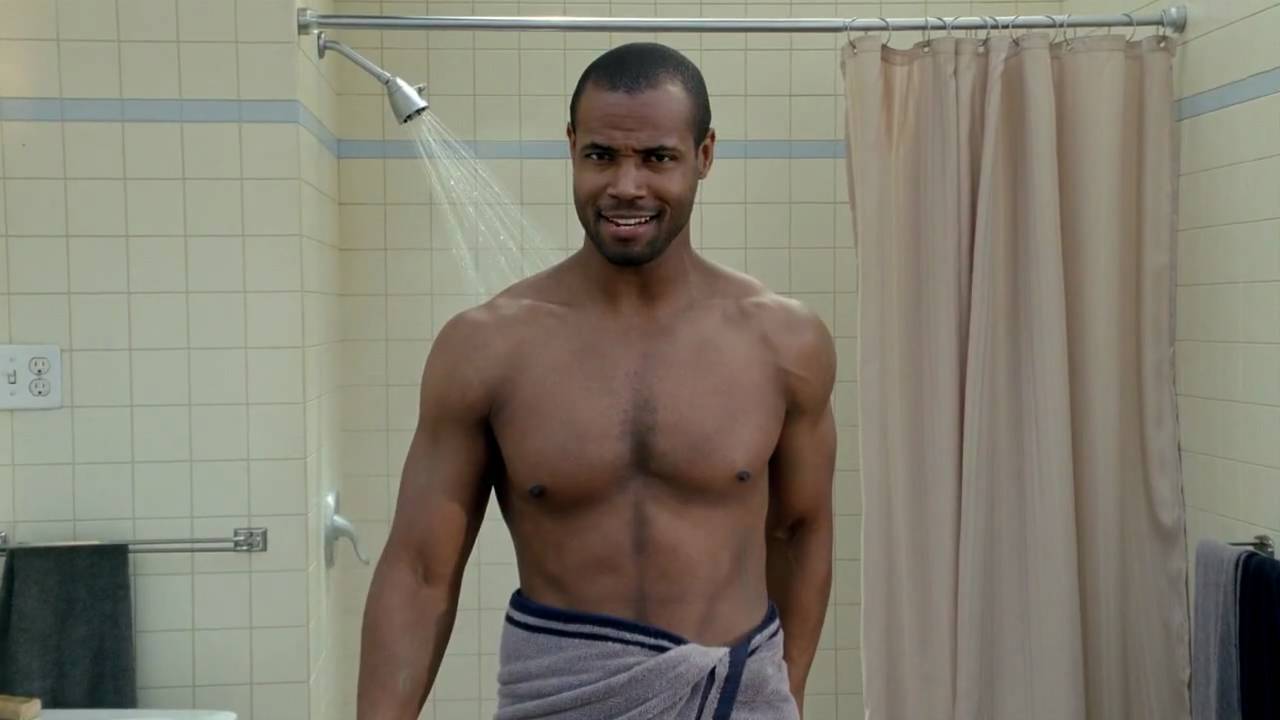

A flawlessly built comic film welded to a targeting insight that made it sell, with a Grand Effie and Nielsen data to prove it.
A man in a towel looks down the lens, tells you to look at your man, then back at him, and thirty-three seconds later he is sitting on a horse holding a bottle of body wash. There is not one cut in between. Wieden+Kennedy Portland built the most quoted commercial of its decade out of a single uninterrupted take and an audience the men’s aisle had been ignoring. The take: this is the rare famous advert whose receipts are as good as its reputation.
Old Spice put a men’s body wash on shelf in 2003 and spent the rest of the decade watching everyone else pile in. By 2009, with Dial, Irish Spring and Nivea competing hard, its share of the male body wash segment was slipping. Then Unilever announced that Dove Men+Care would launch on the Super Bowl in February 2010. That is the situation Wieden+Kennedy walked into, as set out in the campaign’s own Effie Awards case paper.
The category was growing 7 to 9 per cent a year and Old Spice was growing slower than that. Body wash is a low-involvement purchase, so awareness on its own was never going to move the number. The one piece of research that changed the shape of the work came from P&G itself: 60 per cent of men’s body washes were actually bought by women. The brief stopped being about men and started being about the person holding the bottle at the till.
“Hello, ladies.” The script is written entirely to women, about the man standing next to them, and it never once insults him. It offers an upgrade path instead: he could smell like this, and while he will never be the man on the horse, he could at least stop washing with lady-scented body wash. That construction is why the line travelled, because it is a comparison a viewer can repeat at someone.
The media plan was as sharp as the script. Rather than buy the Super Bowl against Dove, Wieden+Kennedy put the film on YouTube and Facebook a few days before the game and let the TV debut land twenty four hours after the final whistle. Enough people assumed it had run in the game that the brand won the buzz without paying for the slot. Post-launch the buy moved to places where couples watch together: Lost, the Vancouver Winter Olympics, American Idol and a cinema buy over Valentine’s weekend.
Tom Kuntz shot it in a single uninterrupted take, and the whole joke depends on that. The bathroom set is craned away around Mustafa, a shirt drops onto him from above, and a cart carries him from a boat deck to a horse while he keeps talking. Almost nothing is computer generated: the one significant effect is a substituted hand for the shot where the tickets become diamonds. It took three days and a great many attempts, as Creative Review’s oral history of the campaign records.
The performance carries the rest. Isaiah Mustafa plays it entirely straight, at a clip that never allows the viewer to catch up, and the absurdity accumulates because the delivery does not acknowledge it. The camera holds him at a fixed distance throughout, which keeps the eye on the face and hides the machinery moving behind him. The reason the single take matters commercially, not just technically, is that it makes the film unskippable: cut away and you miss the trick.
The writing was by Eric Kallman and Craig Allen under creative directors Jason Bagley and Eric Baldwin, with Mark Fitzloff and Susan Hoffman as executive creative directors. It is worth noting how little product demonstration there is. The bottle appears, it is named, and the film moves on.
In July 2010 the team put Mustafa in a studio and had him answer questions posted on YouTube, Twitter and Facebook, in character, in near real time. Over a two and a half day event they shot and published 186 personalised replies. The seeding was deliberate: influential early recipients included Ellen DeGeneres, Perez Hilton and Digg founder Kevin Rose. Then roughly 70 per cent of the replies went to ordinary members of the public, which is the decision that made the whole thing feel open rather than transactional.
This was the first time a brand had run a broadcast-quality improvised conversation at that speed and scale. It is now standard practice at every social agency, which is the clearest evidence of how far ahead it was. It also won the Cyber Grand Prix at Cannes Lions 2011.
The Effie paper is unusually specific, and it answers “anything else that might have helped drive results?” with “no other factors”. On the business number, Nielsen data showed Old Spice Red Zone body wash unit sales up 60 per cent year on year by May 2010, and up 125 per cent by July, an all-time high for the line. The buzz objective was met just as hard: Old Spice took 76 per cent of online conversation in the male body wash category between January and March 2010, with more than half of that coming from women.
The awards followed the numbers rather than replacing them. It took the Film Grand Prix at Cannes Lions 2010, where jury president Mark Tutssel said it took an old, sleepy brand and woke it up. It won a Primetime Emmy for Outstanding Commercial the same year, Black Pencils at D&AD in 2011, and then the one that counts most: the 2011 Grand Effie for North America, the single top prize for effectiveness on the continent.
Old Spice went from a brand your grandfather used to a brand with a comic voice it has never given up. The subsequent work has been odder and less disciplined, but the licence to be strange in a personal care aisle was won here. The bigger inheritance is structural: every “always on” social content model, every brand newsroom, every real-time response unit traces back to that studio in July 2010.
What has aged less well is the imitation. A decade of brands attempting deadpan absurdity without a product truth underneath produced a great deal of noise and very little Nielsen movement. The lesson people took was the tone. The lesson they should have taken was the targeting insight, as we argue in our ranking of the best advertising campaigns.
A perfectly built comic film that would have been remembered anyway, attached to a targeting insight that made it sell and a follow-up format that changed how the industry works. It loses marks only on bravery, because a funny body wash advert is a lower-stakes bet than the score sheet’s top end demands, and on legs, because the character has proved harder to sustain than the idea suggested. Everything else is close to the ceiling, and the Grand Effie plus Nielsen’s 125 per cent means the effectiveness is not in dispute. See how we score for the full rubric.

He plans, buys and reviews advertising for a living, and helps score campaigns on the site against the same five Crown Score criteria alongside other authors and contributors.
63/100McCann Erickson took the Bisto Kids' hundred-year-old 'Aah' and turned it into a booked appointment. A review of the Bisto advert that sold an occasion, not gravy.
 73/100
One photograph of Heinz Beanz on two biscuits, no paid media, a day of brand replies and a debate in the House of Commons. Frank PR's Beanz on Bix, reviewed.
 79/100
BMP DDB gave the jokes to Rowan Atkinson and the product line to his assistant. Seventeen films, nine British Arrows, an IPA Gold and a cinema franchise later, a full review.