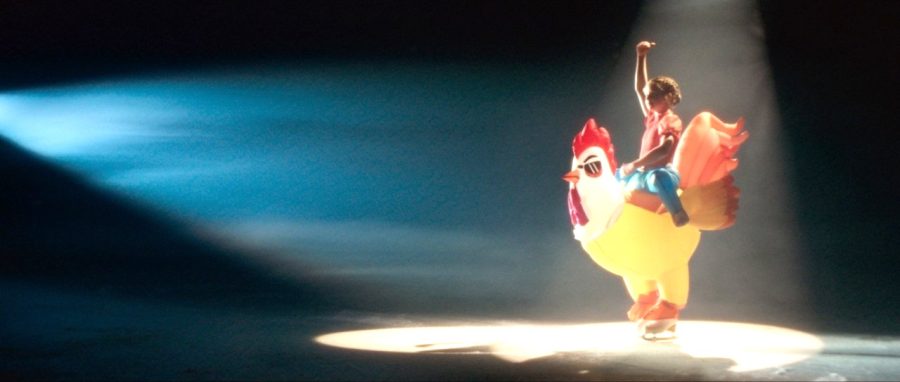
Three advert song 2026: it’s Dancing with Myself by The Donnas
The skater in the inflatable chicken costume is 11-year-old Katarina Suemnig, the song is The Donnas' cover of Dancing with Myself, and it launches Three's new platform, Let Fun In.
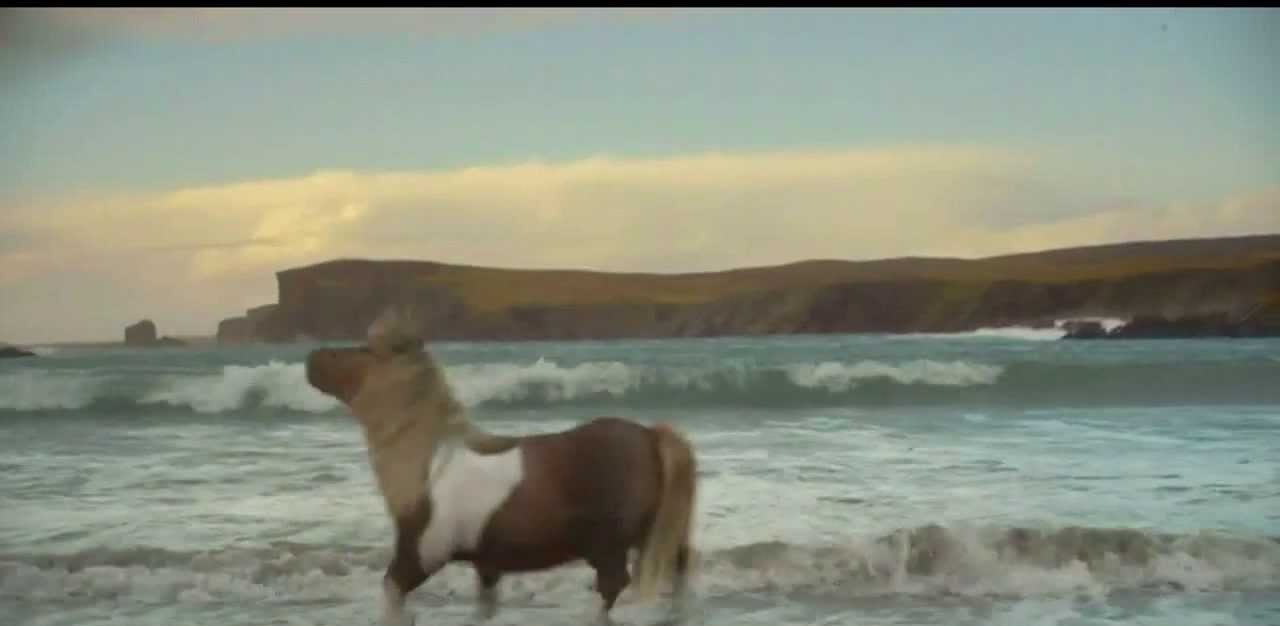

A small idea executed with unusual nerve, still the only telecoms film most British viewers can describe from memory, marked down only because Three never published a business case for it.
A Shetland pony stands in a wet green field, hears the opening bars of Fleetwood Mac’s “Everywhere”, and moonwalks. There is no phone, no tariff, no coverage map and no voiceover. The endline is “Silly Stuff. It Matters”, and that is the entire proposition of the Three pony advert, which Wieden & Kennedy London put on air in February 2013 under the hashtag Dance Pony Dance.
The one-line take: it is the most disciplined piece of populist advertising a British telco has made this century, and the reason it is remembered is precisely that Three refused to sell anything in it.
Three went into 2013 as the smallest of the four UK networks, with a network it had spent five years rebuilding and almost no credit for it. Marketing director Tom Malleschitz told Marketing Week that the brand had “lacked brand consideration” among what Three internally called the early majority: people who want a smartphone but are not the first to buy one. It was Three’s first major brand campaign in four years.
Malleschitz was explicit about the constraint. Three was smaller, so its money had to work harder than EE’s or Vodafone’s, which rules out the usual telco answer of buying more spots than the other three. The campaign also dropped product entirely, which for a network that had spent four years talking about coverage was a real strategic reversal.
The insight came from research W+K commissioned through BrainJuicer. Three’s audience used its network mostly to send each other funny things, and animals doing silly things above all. Three did not need to claim it was the best network. It needed to prove it understood what people actually did on one.
Most brands that spot this insight make an advert about sharing. W+K made the thing that gets shared, which is a much harder and much braver call. The film is sixty seconds of a Shetland pony dancing in a field and nothing else, and the only branding is the endline.
“Silly Stuff. It Matters” is the load-bearing line, because it converts a piece of nonsense into a brand position. Three is not saying its network is fast. It is saying it knows why you want one, which is a claim its rivals could not make without sounding like a tariff.
Dougal Wilson directed through Blink, and worked closely with MPC to build the pony’s moves. The technical problem is subtler than it looks: a fully animated pony is a cartoon and stops being funny, while a real pony cannot moonwalk. The film only works because the animal reads as an actual animal in an actual field for the first fifteen seconds, so the dancing arrives as a surprise rather than as an effect.
Wilson shoots it flat and unhurried, in unhelpful northern weather, with the grass moving and the light doing nothing special. The pony’s routine is choreographed to the beat rather than to the camera, which is why it survives being watched on a phone with the picture two inches wide.
The music choice is the other half of the craft. “Everywhere” is 1988 Fleetwood Mac, warm, major key and completely unironic, and it gives a joke about a horse a wash of sincerity it has not earned. That mismatch is the gag.
The film alone would have been a good sixty seconds. What turned it into a platform was the Pony Mixer, a responsive web app built by B-Reel and hosted on Three’s YouTube channel, which let people re-cut the pony to eight genres of music with different accessories and share the result. It was live at launch, not bolted on afterwards.
Three then did the thing almost nobody does with user-generated work: it put the best public versions on television. Within roughly ten days of launch, customer-made pony edits were running as TV spots. That is a genuine loop, not a hashtag on an endframe.
The engagement numbers are unusually good for a UK telco. Wieden+Kennedy reports 1.5 million YouTube views in the first weekend and more than 20 million in total, 1.3 million ponies made through the Pony Mixer, 190,000 tweets on #DancePonyDance across a seventeen-day burst, over 100 million impressions and a 67 per cent rise in positive online sentiment. The Drum recorded more than three million views and a quarter of a million shares in the first week, enough to displace the Harlem Shake at the top of the most-shared branded video chart.
The most objective result is not Three’s at all. “Everywhere” re-entered the Official Singles Chart on 9 March 2013 and peaked at number 15, twenty-five years after it first charted at number four. An advert that puts a 1988 single back into the top twenty has demonstrably reached the general public.
What is missing is a business case. There is no published IPA Effectiveness entry, no Effie, and no subscriber, revenue or churn number attributable to the pony in the public record. Everything above is agency-reported engagement data, and engagement data is not effectiveness, which is why the score below is what it is.
Three ran the pony again in November 2013 with snow, jingle bells and a tinselled tractor, and swapped the Pony Mixer for a “Pony Gifter” that let people attach a message. In February 2014 came the sequel, “#SingItKitty”: a girl cycling round a cul-de-sac miming Starship’s “We Built This City” with a CGI cat singing along in her bike basket, written by Chris Lapham, art directed by Aaron McGurk and directed by Traktor through Partizan. Same formula, same personalisation site, less surprise.
That is the honest limit of the idea. A moonwalking pony is a joke, and the second telling of a joke is worth less than the first. Three eventually moved on from the position altogether: it split with W+K in May 2020 after ten years, and appointed Wonderhood Studios that July to build a new brand platform.
Set it next to Cadbury’s “Gorilla” and the family resemblance is obvious: an animal, a track everyone’s parents own, and no product argument at all. The difference is that Cadbury built a decade of “joy” out of it and Three built two films.
The Three pony advert is a small idea executed with unusual nerve, and thirteen years on the Three advert is still the only telecoms film most British viewers can describe from memory. It loses marks where it should: Three never published a business case, and the platform ran out of road inside two years. On our rubric that is a high craft score, a fair idea score and an effectiveness mark held down by an absence of evidence rather than by evidence of failure.

He plans, buys and reviews advertising for a living, and helps score campaigns on the site against the same five Crown Score criteria alongside other authors and contributors.
The skater in the inflatable chicken costume is 11-year-old Katarina Suemnig, the song is The Donnas' cover of Dancing with Myself, and it launches Three's new platform, Let Fun In.
 63/100
McCann Erickson took the Bisto Kids' hundred-year-old 'Aah' and turned it into a booked appointment. A review of the Bisto advert that sold an occasion, not gravy.
 73/100
One photograph of Heinz Beanz on two biscuits, no paid media, a day of brand replies and a debate in the House of Commons. Frank PR's Beanz on Bix, reviewed.