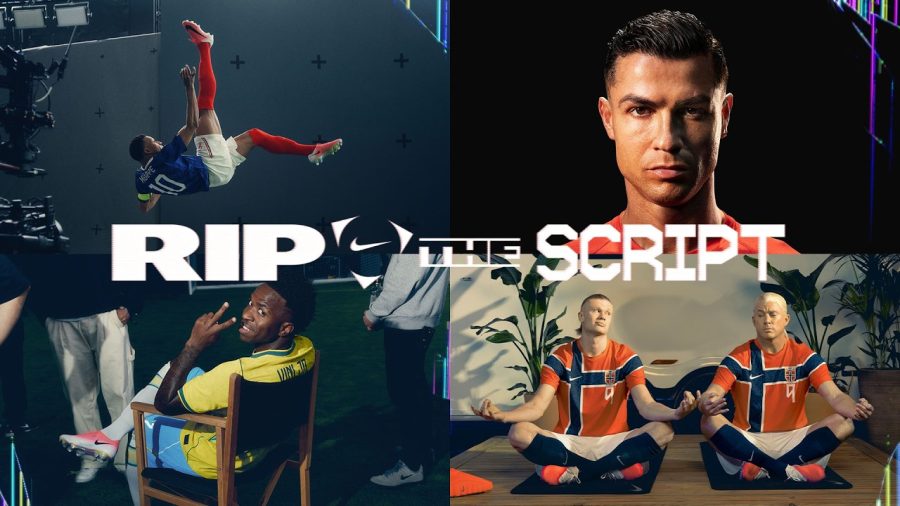
Nike raises brand marketing spend to $1.3bn as sales fall 4%
Nike's demand creation spend rose 5 per cent last quarter even as revenue fell 4 per cent, as Elliott Hill doubles down on brand building and cuts costs elsewhere.
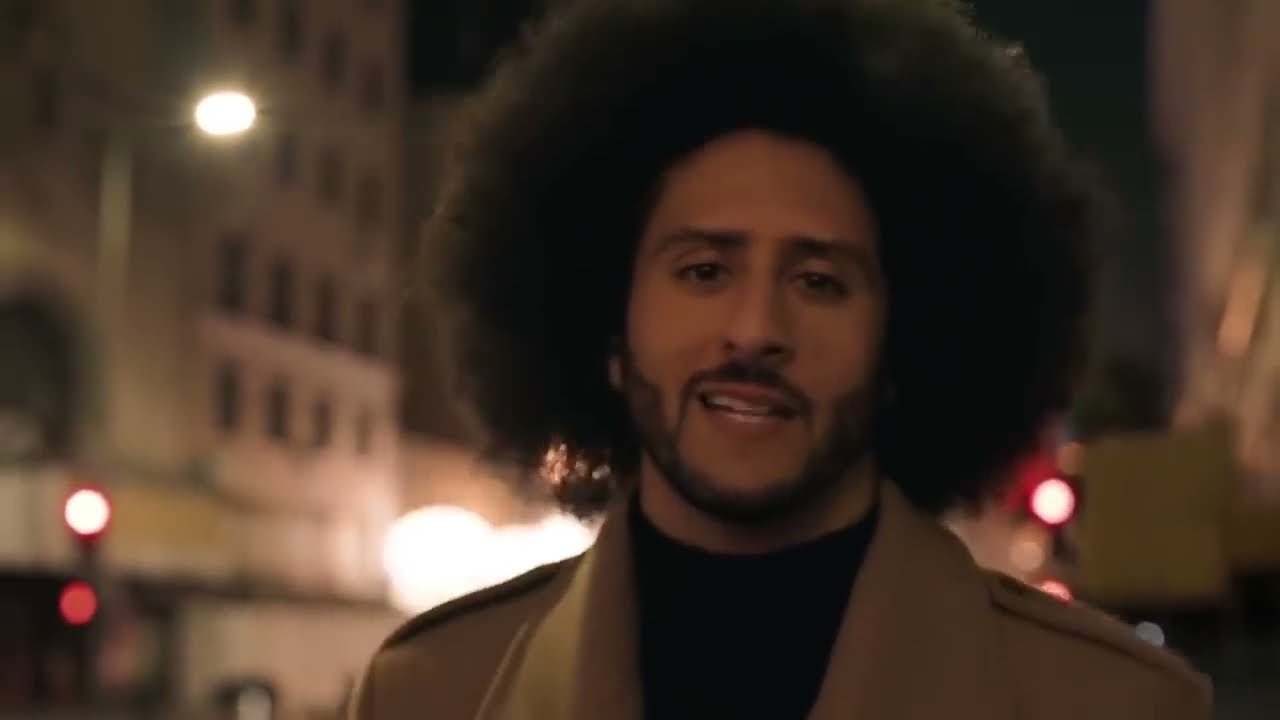

A restrained film attached to a decision of real corporate risk, and the only campaign of its era that can show a boycott, a record share price and a Creative Effectiveness Grand Prix on the same page.
On 3 September 2018 Nike posted a black and white photograph of a quarterback who had not played a professional game since the 2016 season, with a line laid across his face: believe in something, even if it means sacrificing everything. Within hours the boycott hashtag was trending and people were filming themselves setting fire to trainers they had already paid for. Ten days later the share price closed at an all-time high. The take: the most consequential brand decision of its decade, and the numbers closed the argument long before the commentary did.
The assignment was an anniversary, which is usually the least promising brief in the business. Just Do It turned thirty in 2018, and the default execution for a milestone like that is a montage of your own greatest hits with a reverent voiceover. Nike had also spent several years being outrun in cultural terms by Adidas in the sneaker conversation, so a nostalgia lap carried a real cost.
The context outside the brief was the harder part. Colin Kaepernick, then a San Francisco 49ers quarterback, had begun sitting and later kneeling during the American national anthem in 2016 in protest at police brutality and racial inequality. Other players followed, the president attacked the practice repeatedly, and by 2018 the argument had become one of the most divisive in American public life. Kaepernick had been a Nike-contracted athlete throughout, and had not been signed by an NFL team since that season.
Wieden+Kennedy Portland’s answer was to reread the tagline rather than celebrate it. Just Do It is not an instruction to succeed, it is an instruction to start, which means the interesting subject is what you are prepared to lose. That reframe is what makes Kaepernick the logical face of the anniversary rather than a provocation bolted onto it.
The sequencing was the second idea. The still image went out first, on Kaepernick’s own social channels and Nike’s, with no film and no explanation attached. That gave the argument three days to run at full volume before the actual advert existed, so by the time the two-minute film landed on 5 September an enormous audience was already waiting to see what it said.
The film is directed by Lance Acord, Emmanuel Lubezki and Christian Weber through Park Pictures, and its most important decision is the pacing. It opens small and stays small for a long time: a boy wrestling, a young footballer, a woman on a court, all shot close and quiet, before it earns the right to bring in Serena Williams and LeBron James. Most brand films spend their famous faces immediately. This one holds them back until the argument is already made.
The casting does the political work without a word of politics in it. Isaiah Bird, a ten-year-old wrestler born without legs, and Megan Blunk, a Paralympic wheelchair basketball gold medallist, are in the film on exactly the same terms as the household names. The effect is to define “crazy dream” so broadly that by the time Kaepernick appears on screen, roughly ninety seconds in, the viewer has already accepted the category he belongs to.
Then there is the voice. Acord has said the decision that mattered most was making Kaepernick the narrator, because the public had heard almost nothing from him directly through two years of being discussed. Everyone in America had an opinion about the man. Very few of them had heard him speak for two minutes without interruption, and the film’s real trick is that it never mentions the protest at all.
The boycott was real and it was loud. Nike shares fell roughly 3 per cent on 4 September, the day after the image went out. They then recovered the loss and closed at an all-time high on 13 September, as Bloomberg reported at the time.
The sales data pointed the same way. Edison Trends found Nike’s online sales rose 31 per cent between the Sunday before and the Tuesday after the Labor Day weekend, against a 17 per cent rise over the same days a year earlier, figures reported by NBC News. Thomson Reuters’ research arm separately recorded a 61 per cent rise in sold-out merchandise across the ten days after launch compared with the ten days before it.
Those last figures come from the campaign’s own effectiveness submission and are reported by Contagious. They should be read as a case paper’s numbers rather than audited accounts, but the jury that awarded the Grand Prix had the full submission in front of it.
Dream Crazy won the Outdoor Grand Prix and the Entertainment for Sport Grand Prix at Cannes Lions in 2019, then returned in 2021 to take the Creative Effectiveness Grand Prix, the festival’s prize for work that can prove it moved a business. Winning both a craft Grand Prix and the effectiveness Grand Prix for the same campaign is rare.
It also won the Primetime Emmy for Outstanding Commercial, presented on 1 September 2019. That was the fifth commercial Emmy for Wieden+Kennedy and the first for Park Pictures, and Nike’s first in that category for seventeen years.
Dream Crazy is the campaign every brand purpose deck has cited ever since, usually badly. What most of those decks miss is that Nike was not taking a position on an unrelated issue to look principled. It was defending an athlete already on its own roster, in a category it has spent forty years arguing is about defiance, using a tagline whose entire meaning is about acting before you are ready.
The imitators tended to take the volume without the standing. A brand with no history in a subject, no athlete or employee at risk, and no product connection produces a statement rather than a campaign, and audiences have become extremely quick at spotting the difference. The lineage that Dream Crazy actually belongs to is the one where a brand spends its own equity on a single decision, which is the theme running through our best advertising campaigns ranking.
Nike followed it in 2019 with Dream Crazier, narrated by Serena Williams and built around women athletes, and Dream Further. Neither generated the same heat, which is the point: the format is repeatable, the decision behind the first one was not.
A film of real restraint attached to a decision of genuine corporate risk, and the only campaign of its era that can show a boycott, a record share price and a Creative Effectiveness Grand Prix on the same page. It scores top marks for bravery because the downside was live, public and immediate, and near the top for effectiveness because three independent measures moved in the same direction within a fortnight. It falls short of the very top on craft, where the montage form itself is conventional and the work is doing something braver than it is doing something new. Our rubric is set out in how we score.

He plans, buys and reviews advertising for a living, and helps score campaigns on the site against the same five Crown Score criteria alongside other authors and contributors.
Nike's demand creation spend rose 5 per cent last quarter even as revenue fell 4 per cent, as Elliott Hill doubles down on brand building and cuts costs elsewhere.
 75/100
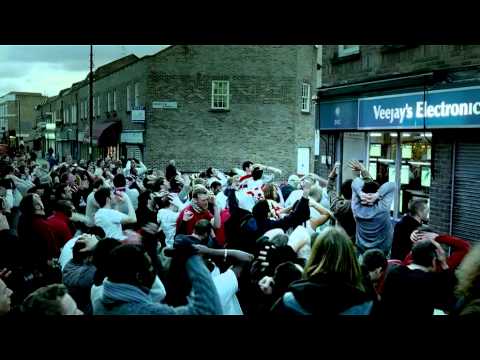
Wieden+Kennedy Amsterdam and Alejandro Gonzalez Inarritu built three minutes on the idea that one touch rewrites a career. Then almost every player in it went out early.
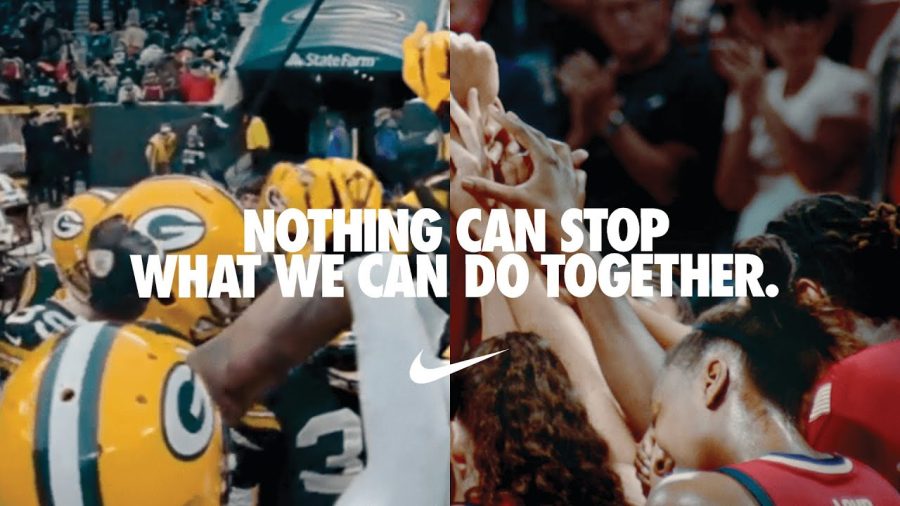
Twenty Nike films ranked, from Walt Stack crossing the Golden Gate Bridge in 1988 to the Paris Olympics, with year, Wieden+Kennedy office and director checked for each. Dream Crazy is number one.