

 81/100
John Lewis, Monty the Penguin: the Christmas advert that became a shop
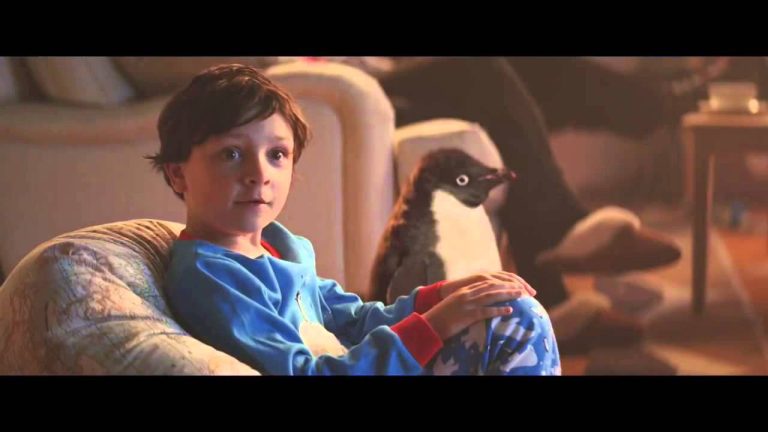
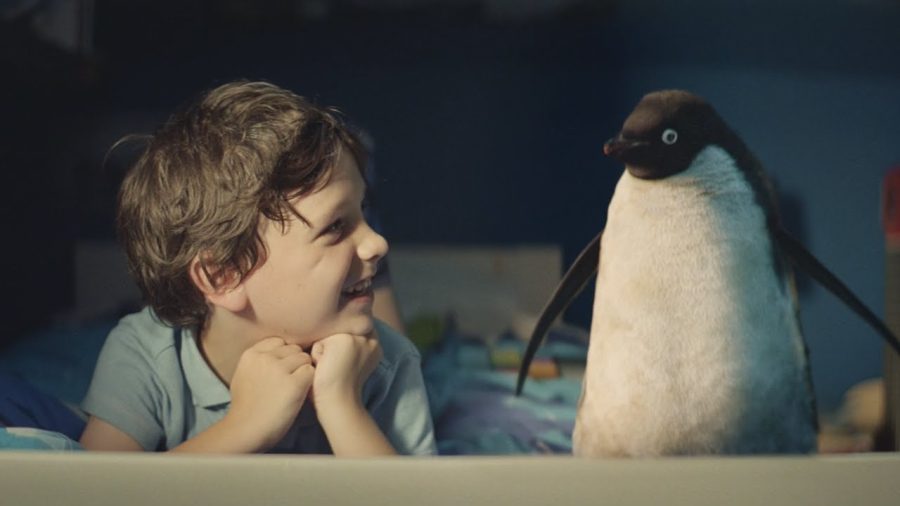
Dougal Wilson's 2014 film for John Lewis gave a boy's toy penguin a mate, sold out a £95 plush in days and won a Cannes Creative Effectiveness Grand Prix. A look back.
73 campaigns reviewed
Every review scored out of 100, with full credits and the evidence behind the result.
All campaigns29 Christmas adverts so far
Every UK Christmas advert of 2026 in one place, with the films, the credits and our verdicts.
Watch all 2922 rankings
The best adverts by brand, decade and season, argued properly and kept up to date.
All rankings157 stories
The advertising stories that matter, published every weekday, with what each one means.
All news 10 Nov, 09:53 JD Sports Christmas advert 2026: Create The New swaps festive nostalgia for young creatives
 10 Nov, 09:53 Morrisons Christmas advert 2026: Goldilocks meets the Three Bears in Christmas Made Just Right
 10 Nov, 09:52 Waitrose Christmas advert 2026: Keira Knightley and Joe Wilkinson return in The Perfect Gift 2
13 guides and rulings
ASA rulings and the UK advertising rules, explained in plain English and checked against the source.
All policy19 explainers
How great advertising gets made, from the brief to the media plan, and how to make your own.
All craft147 brands tracked
Every brand we have reviewed or reported on, with its best work and its latest news.
Brands A to Z97 agencies credited
The agencies behind the work, with every campaign we have credited to them.
Agencies A to ZChurchill's nodding bulldog has said Oh yes since 1996. We review the whole run, from Bob Mortimer's voice to Engine's 2019 CGI relaunch that put him on a skateboard.
73/100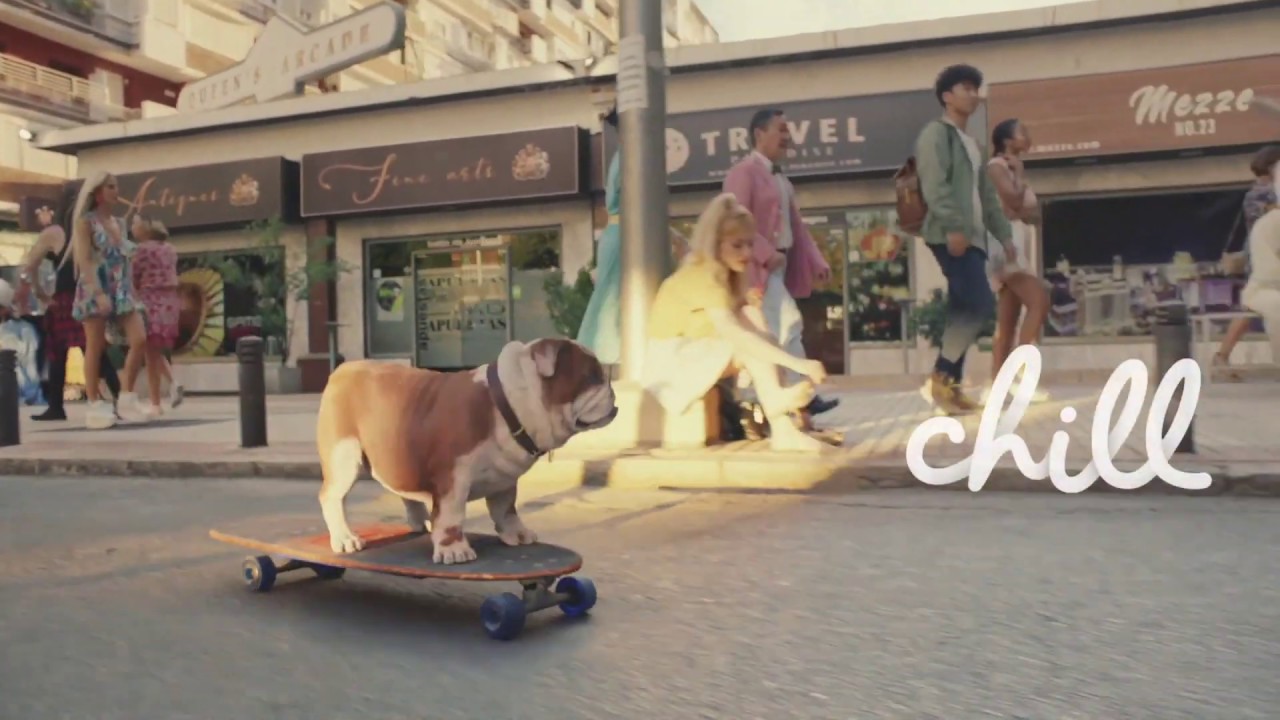
Britain's longest-serving financial services mascot, and the rare one that got braver with age, held back only by the absence of a published sales case.
A nodding bulldog in the back window of a car says “Oh yes” and, thirty years on, most of Britain can still do the voice. Churchill Insurance put the toy on television in 1996, two years after a staff competition picked a bulldog as the company’s mascot, and it has outlasted every celebrity, strapline and agency the brand has hired since.
The one-line take: the most durable distinctive asset in British financial services, rebuilt in 2019 from a plastic puppet into a photoreal dog on a skateboard, and better for the risk.
Churchill launched as a direct insurer in 1989 with a name that already meant a Prime Minister. The mascot was the fix. A bulldog is the Winston shorthand everyone knows, so the brand could borrow the association without putting a statesman in its adverts, and the first Churchill dog was a real animal called Lucas. The nodding toy arrived in 1996 and did something the live dog could not: it answered questions.
The original spots are a two-hander. A questioner off-camera asks whether Churchill can save money on car insurance, and the toy in the rear window nods and says “Oh yes”. Bob Mortimer supplied the voice, and only admitted it publicly on Top Gear in July 2019, telling the studio he had gone into a booth, been asked to come up with a voice and done an impression of the actor Deryck Guyler, as Metro reported.
Mortimer’s comedy partner Vic Reeves became the questioner, and stayed for five years until March 2005, when Churchill dropped him after a crash in Kent that led to a drink-driving charge. The company told the BBC it took road safety “very seriously”. An insurer cannot be seen to shrug at that, and it set a pattern: the humans around the dog are replaceable, the dog is not.
Most mascots are built to carry a message. Churchie was built to carry a reply. “Oh yes” is a yes to whatever the question happens to be that year, which is why the same puppet could sell price guarantees in 2009, pet insurance with Martin Clunes in 2011 and a replacement-car promise in 2016 without changing his expression. The catchphrase is the platform.
WCRS ran the account through the celebrity years, pairing the dog with Roy Walker, Rolf Harris and Melanie Sykes in 2009, then Clunes, who was dropped in November 2012 after a driving ban, and Dawn French, who joined him at Battersea Dogs Home in February 2013 in a series directed by Dominic Brigstocke, as The Drum reported.
In June 2015 WCRS dropped the celebrities altogether. “Depend on the Dog”, created by James Hodson and Jason Keet and directed by Joseph Mann through Blinkink, gave Churchie sentient wallpaper, garage doors and car tyres to talk to, all done with puppetry. By February 2016 Lucy Brooksbank was telling Campaign the campaign “has tracked significantly higher than the industry benchmark” on likeability and humour.
Then the brand did the brave thing. Research told Churchill it was the most liked insurer in Britain but was “starting to lose its edge”, and that its relationship with customers was, in Brooksbank’s words to Marketing Week, “only skin deep, heavily reliant on the love of the dog, but even his star was starting to fade”. In a category where most journeys start on a price comparison site, being liked is worth little unless it earns the click.
Engine’s answer, launched on ITV on 4 October 2019, was to retire the nodding toy and replace him with a photoreal CGI bulldog who does not speak at all. He rides a skateboard down a high street, utterly unbothered, while a narrator asks whether this is not how insurance should make you feel. The new logo, drawn by Engine designer Polina Dyer, pulled the word “chill” out of “Churchill”, and the strapline became “So you can just chill”.
The credits tell you how seriously it was taken. Nicolai Fuglsig, the director of Sony’s “Balls”, shot it through MJZ, Untold Studios built and animated the dog, and the eight-week launch ran across television, radio, cinema, blipverts, sponsorship, social and a Spotify partnership, with a second film following on 28 October. Engine’s executive creative director Paul Jordan summarised the brief in six words: goodbye nodding dog, hello lean, mean chill machine.
What makes the 2019 film work is what it refuses to do. There is no joke, no celebrity, no product claim and no line from the dog. Fuglsig holds a slow, tracking shot at dog height, the world drifts past, and the only drama is the animal’s complete serenity. Insurance is peace of mind, and the film is literally a picture of peace of mind.
The CGI is the other half of the craft. Untold’s bulldog has the slack jowls, the loose skin and the faint wobble of a real animal, which is what lets the surreal premise pass as calm rather than cartoon. Take the same idea and render it as a cartoon and it becomes a gag; render it as real and it becomes a mood.
The risk was that a mascot people had loved for 23 years would stop being recognised. Independent testing suggests it did not. Attest surveyed 250 UK adults in October 2019 and found the skateboarding film scored 3.7 out of 5 for likeability, 62 per cent said they were likely to talk about it with friends, and 49 per cent said they were more likely to shop with Churchill, ahead of Go Compare’s competing launch on every measure, according to Attest.
Churchill has never published an IPA or Effie paper on the dog, so the effectiveness case rests on brand tracking, mostly the brand’s own. Marketing Week reported in 2019 that YouGov BrandIndex placed Churchill in the top five insurers on consumer perception, with an Index score of 9.5 that had risen for three years, though rivals including Admiral and sister brand Direct Line were climbing faster. Brooksbank’s own framing in 2016 was that the dog delivered market-leading awareness on the sixth-highest media spend in the category.
That is a fame result rather than a sales result, and we mark it accordingly under how we score. What can be said with confidence is that the asset survived a total redesign intact, which is the specific thing the 2019 work set out to prove, and that the brand kept building on it rather than reverting.
Engine followed the skateboard with “Slide” in 2021, the dog gliding down a fairground slide, and Direct Line Group then moved the Churchill account to Saatchi & Saatchi, which launched “Enjoy the Leap” on 26 August 2022. That film, directed by Rollo Jackson with Untold Studios again building the dog, floats an anxious car buyer into a pink dreamscape called the Chillscape, and it set the “Oh yes” catchphrase to music, as LBB reported. Saatchi’s chief creative officer Franki Goodwin called it taking the character “literally, to new heights”.
Ownership changed again when Aviva completed its purchase of Direct Line Group on 1 July 2025, and Churchill’s own site now carries a notice about transferring policies to Aviva Insurance Limited. The mascot is worth more than the underwriting licence at this point. Whatever Aviva does with the corporate plumbing, a dog that has survived three agencies, two owners and a change of species from plastic to pixels is not a thing you retire, which is why he sits near the top of our brand mascots guide.
Britain’s longest-serving financial services mascot, and the rare one that got braver with age. The 1996 puppet was a good joke; the 2019 rebuild is a genuinely good piece of film, and the decision to make it silent was the sharpest creative call the brand has ever made. It loses marks on effectiveness because the evidence is brand tracking and a survey rather than a published sales case, and on idea because the original was a catchphrase before it was a thought. As a lesson in how to keep a distinctive asset alive for three decades without embalming it, there is nothing better in the category.

He plans, buys and reviews advertising for a living, and helps score campaigns on the site against the same five Crown Score criteria alongside other authors and contributors.
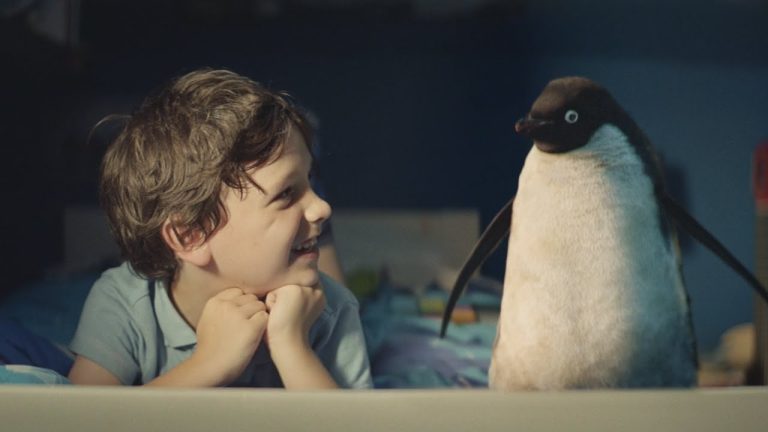
81/100Dougal Wilson's 2014 film for John Lewis gave a boy's toy penguin a mate, sold out a £95 plush in days and won a Cannes Creative Effectiveness Grand Prix. A look back.
 83/100
WCRS launched a fourth mobile network in 1994 with a Philip Glass score, an orange square and a line about the future. The Future's Bright, The Future's Orange, reviewed.
 81/100
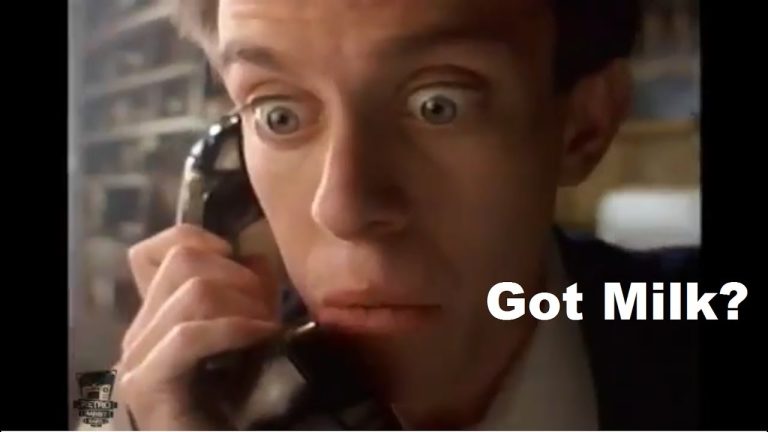
Goodby Silverstein's 1993 launch film for the California Milk Processor Board, directed by Michael Bay, turned an empty carton into the most repeated two words in American advertising.