


 66/100
John Lewis Christmas advert 2026: “Gloria and Pickles” reviewed
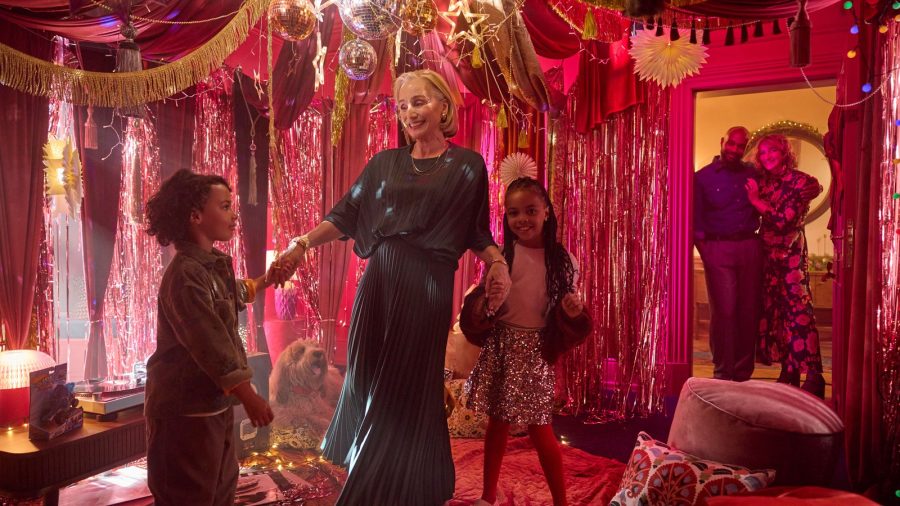
Kristin Scott Thomas, a talking toy dog voiced by Paul Whitehouse and Sam Fender covering the Rolling Stones. Saatchi & Saatchi's war on cash in an envelope, reviewed.
73 campaigns reviewed
Every review scored out of 100, with full credits and the evidence behind the result.
All campaigns29 Christmas adverts so far
Every UK Christmas advert of 2026 in one place, with the films, the credits and our verdicts.
Watch all 2922 rankings
The best adverts by brand, decade and season, argued properly and kept up to date.
All rankings157 stories
The advertising stories that matter, published every weekday, with what each one means.
All news 10 Nov, 09:53 JD Sports Christmas advert 2026: Create The New swaps festive nostalgia for young creatives
 10 Nov, 09:53 Morrisons Christmas advert 2026: Goldilocks meets the Three Bears in Christmas Made Just Right
 10 Nov, 09:52 Waitrose Christmas advert 2026: Keira Knightley and Joe Wilkinson return in The Perfect Gift 2
13 guides and rulings
ASA rulings and the UK advertising rules, explained in plain English and checked against the source.
All policy19 explainers
How great advertising gets made, from the brief to the media plan, and how to make your own.
All craft147 brands tracked
Every brand we have reviewed or reported on, with its best work and its latest news.
Brands A to Z97 agencies credited
The agencies behind the work, with every campaign we have credited to them.
Agencies A to Z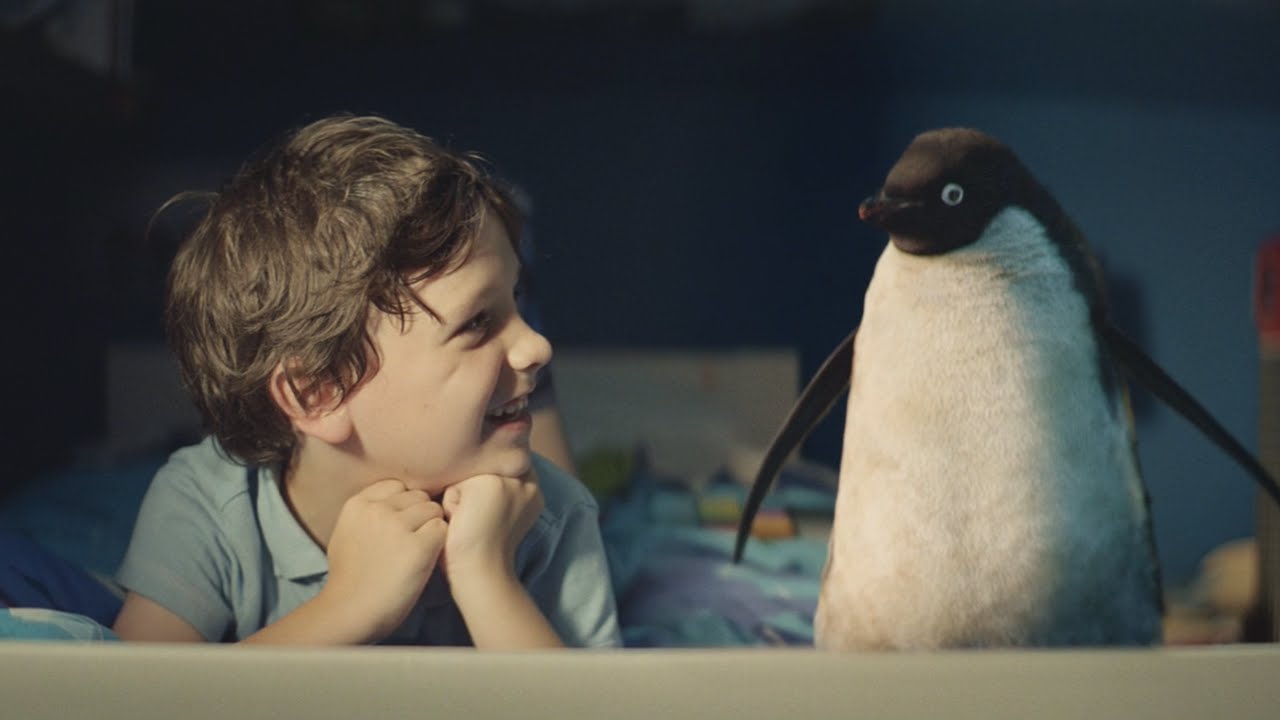
A near flawless film backed by a Cannes Creative Effectiveness Grand Prix and an IPA Grand Prix, marked down for extending a proven format rather than risking one and for a character built to last a single Christmas.
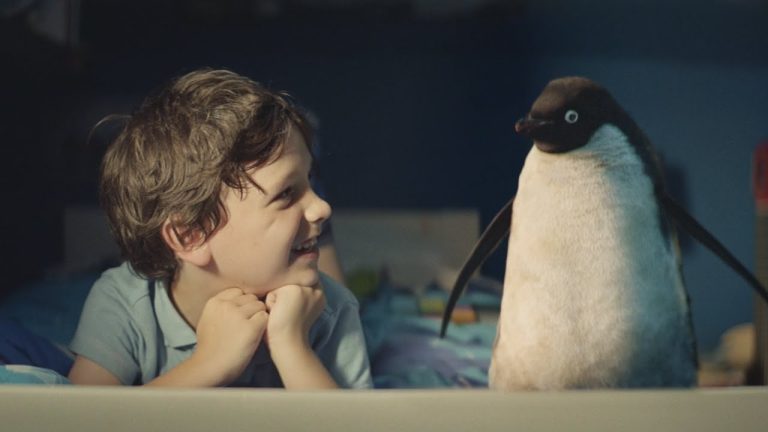
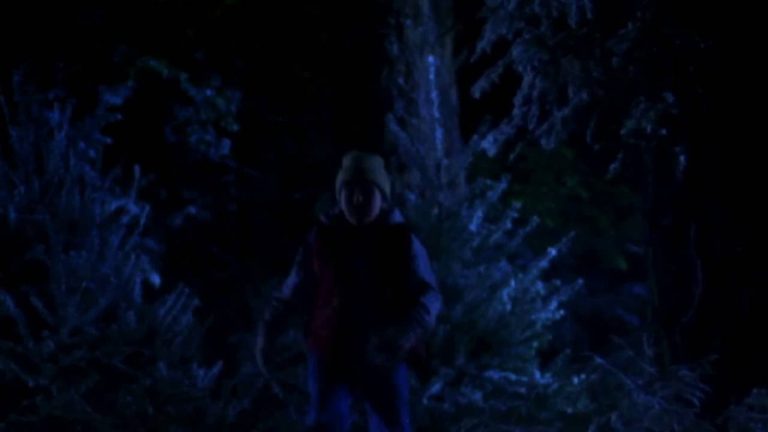
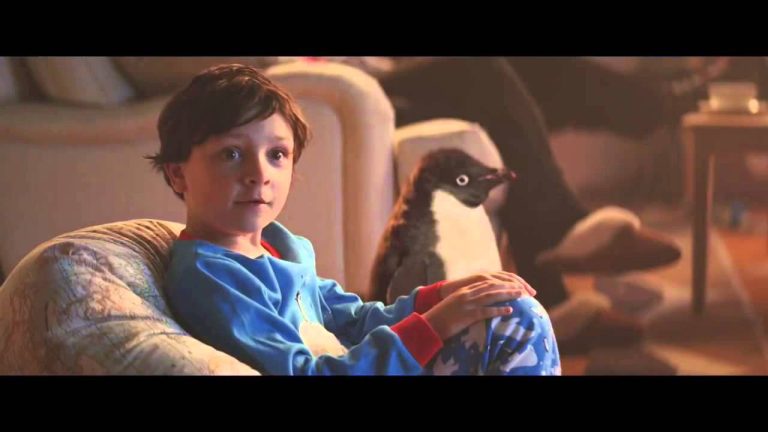
A small boy spends a year with a penguin who is, as far as the boy can tell, entirely real. They play hide and seek and football, ride the bus together, and somewhere in the autumn the penguin starts looking wistfully at couples holding hands. On Christmas morning Sam gives Monty a mate called Mabel, and only in the final shot does the camera admit what the audience has been shown all along: two soft toys on the living room floor, and a child’s imagination.
Our take: the most complete John Lewis Christmas campaign, in which a two minute film became a toy, a shop, a book, a chart single and a Cannes Grand Prix for effectiveness, and the moment the retailer’s festive advert stopped being a film and became a product line.
By 2014 John Lewis had a formula that worked and a nation waiting to see whether it would work again. The Long Wait in 2011 had turned the Christmas advert into an event, and The Bear and the Hare in 2013 had taken the format into animation. The risk was no longer that a John Lewis film would flop. It was that the format would calcify into a slow cover version and a tear, and that the retailer would be left with fame and nothing to sell.
The brief for 2014 answered that directly. According to the MPC whitepaper summarised by LBB, the goal was to create the most integrated marketing campaign in the history not just of John Lewis but of any British retailer. Christmas accounted for around a fifth of the retailer’s sales and two fifths of its profit, so the film had to do more than be loved. It had to be bought.
The thought is one sentence long: to a child, a favourite toy is alive, and the best present you can give it is a friend. Everything else follows from taking that idea literally. If Monty is real to Sam, then Monty has feelings, Monty gets lonely, and a lonely penguin needs a penguin. The reveal at the end does not undercut the story, it explains why it mattered.
Richard Brim, the art director, told MPC that the character was always going to be either a penguin or a monkey, and the penguin won partly because it felt Christmassy and partly because a penguin can tell a story with its eyes or a small wobble of the neck. The team was also wary of sweetness. “We were conscious not to make it too cutesy because the story was quite saccharine,” Brim said, and the restraint shows. Monty is a bird, not a cartoon, and that is what makes the ending land.
Monty the Penguin was released online on the morning of 6 November 2014 and, as The Drum records, given its first television airing during Channel 4’s Gogglebox after a teaser of Monty riding a London bus along Oxford Street. It runs two minutes and ten seconds, and the campaign around it cost £7m, according to the Mirror. Sam is played by seven year old Rhys Edwards, and Monty is a computer generated penguin from MPC composited into a real house, a real park and a real Christmas.
Dougal Wilson, who had directed The Long Wait, shoots the film as a year in the life rather than a Christmas story, which is why the ending works. Hide and seek, a kickabout and a bus ride are given the same weight as the tree and the presents, and the season only arrives in the last third. The penguin is never lit or framed as a special effect. He is simply present in the shot, doing what a penguin would do if it lived in a semi-detached house, and Wilson trusts the audience to accept him.
Brim’s argument was that CGI was the only way to do it, because the boy had to be seen hanging out with a real penguin rather than a drawn one. MPC’s brief was realism over charm, and the result is a creature with weight, wet feathers and an awkward walk that never once winks at the camera. More than a decade on it still holds up, which is more than can be said for most CGI animals of the period.
Tom Odell’s cover of Real Love follows the house style, a familiar song slowed and stripped back, but the choice of song is sharper than usual. Real Love was a John Lennon demo finished by the surviving Beatles for the Anthology project, and it reached number four in 1996. Odell was the first male voice on a John Lewis Christmas film since Fyfe Dangerfield in 2010, as the Official Charts Company noted at the time, and his version peaked at number seven on 22 November 2014 and spent nine weeks in the top 100.
This is where 2014 separated itself from the years before. John Lewis built spaces called Monty’s Den in its shops, with Monty’s Magical Toy Machine, which used Microsoft technology to scan a child’s toy and animate it on screen, and Monty’s Goggles, a Google Cardboard headset that put children inside a 360 degree version of the story. Online, a panoramic world narrated by Dermot O’Leary let visitors follow Sam and Monty through the year, and a Monty’s Christmas storybook was published as an app. Monty and Mabel had their own Twitter accounts, and the WWF stood ready with adoption papers for Adélie penguins.
Then there was the merchandise. The range ran from a giant Monty at £95 to a small one at £12, alongside onesies, slippers, tableware and the book, and the toys sold out on the John Lewis site within days. LBB’s summary of the MPC research records Montys on eBay at up to £499, a 300 per cent rise in penguin toy sales on the platform and 2,638 penguin toys sold there between 6 and 17 November, roughly 240 a day. The film had created demand for a product that had not existed a month earlier.
The launch numbers were extraordinary even by John Lewis standards. Within an hour #MontyThePenguin was the top trending hashtag on Twitter worldwide, and the MPC research counts 212,000 tweets, 165,000 Facebook shares and 568 million impressions from the launch. The film on John Lewis’s own YouTube channel has passed 27 million views at the time of writing.
The trading followed. In its five week Christmas update John Lewis reported total sales of £777m for the five weeks to 27 December 2014, up 5.8 per cent on the year and 4.8 per cent like for like, with online up 19 per cent and Black Friday the biggest week in its 150 year history. Those are company figures, shaped by Black Friday as much as by a penguin, and we do not treat them as an isolated effect of the advertising.
The isolated effect came from the awards. In June 2016 Monty won the Creative Effectiveness Grand Prix at Cannes, Adweek reported, a year after the film had taken the Film Craft Grand Prix. That November adam&eveDDB and Manning Gottlieb OMD won the IPA Effectiveness Grand Prix for the 2012 to 2015 Christmas campaigns, a paper that put average Christmas sales growth at 16 per cent, profit at more than £8 for every £1 spent and market share at a high of 29.6 per cent. Dianne Thompson, chairing the judges, said the work “halts the nation, it has become part of our culture and, most importantly, it drives business success”.
Monty changed what a Christmas campaign was expected to include. After 2014 every serious festive film came with a plush character, an in-store experience and a social account, and the merchandising of the advert became as much a part of the ritual as the advert itself. Our ranking of the best Christmas adverts is full of Monty’s descendants, from carrots to dragons, and most of them exist because a penguin sold out at £95.
It also marks a high point that the format struggled to repeat. Later John Lewis films had stranger creatures and bigger ambitions, but none matched the simplicity of a boy, a toy and a present, and none produced effectiveness evidence as clean. Looking back at it now, Monty reads less like a Christmas advert than like the moment a retailer worked out that the story was the product.
Monty the Penguin scores at the top for craft and effectiveness, because the film is close to flawless and the evidence behind it, a Cannes Creative Effectiveness Grand Prix and an IPA Grand Prix, is as strong as British advertising produces. It loses marks for bravery, since John Lewis was extending a proven format rather than risking one, and for legs, because a character built for a single Christmas was never designed to run for years. Idea sits at eight: a clean, repeatable thought that owes some of its shape to the films before it. The marking is explained in how we score.

He plans, buys and reviews advertising for a living, and helps score campaigns on the site against the same five Crown Score criteria alongside other authors and contributors.
66/100Kristin Scott Thomas, a talking toy dog voiced by Paul Whitehouse and Sam Fender covering the Rolling Stones. Saatchi & Saatchi's war on cash in an envelope, reviewed.
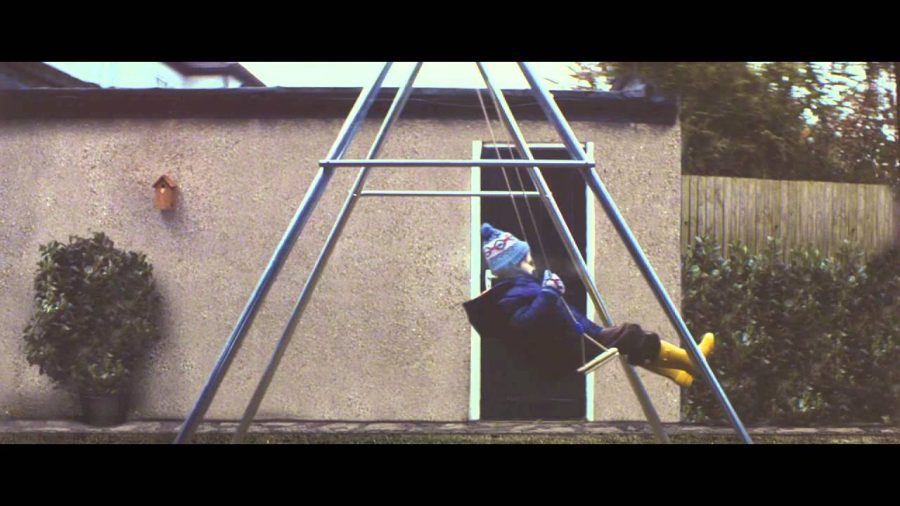
Nineteen films, three agencies and one department store that turned a November television break into a national event. Every John Lewis Christmas advert from 2007 to 2025, ranked, with agency, director and music for each.
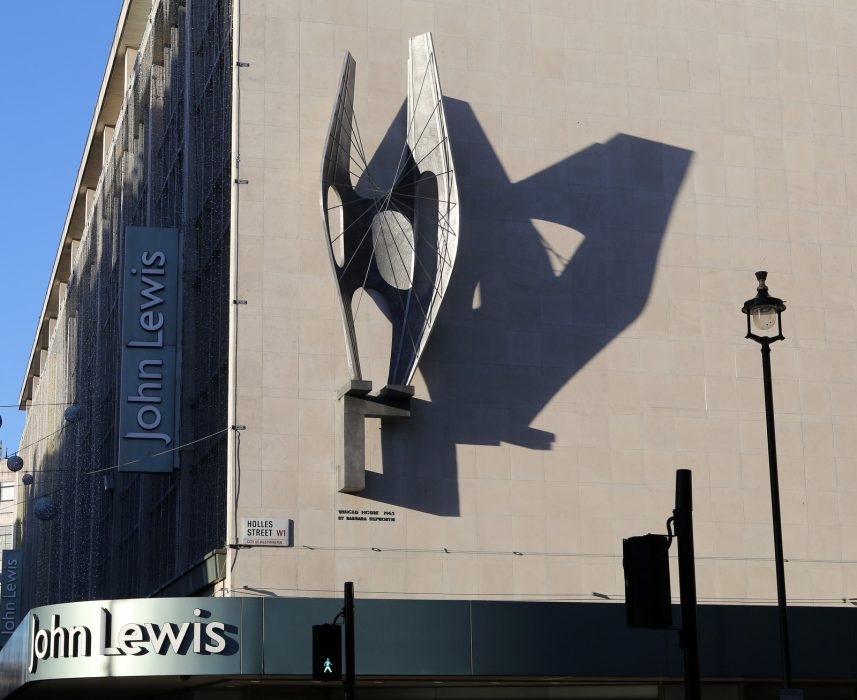
An £89m first-half loss, £246m into the brands, and a pan-partnership loyalty scheme in build. The John Lewis Partnership is betting its recovery on the second half, which means Christmas.