

 81/100
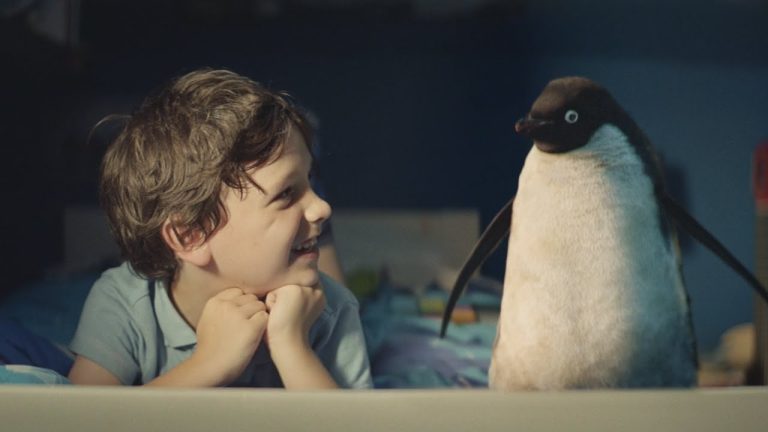
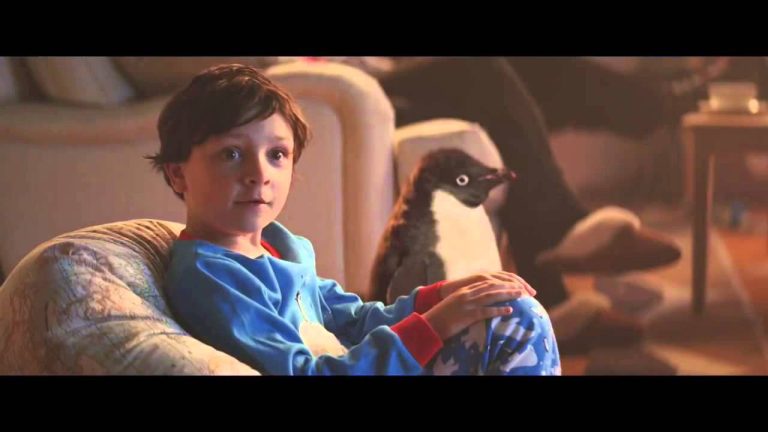
John Lewis, Monty the Penguin: the Christmas advert that became a shop
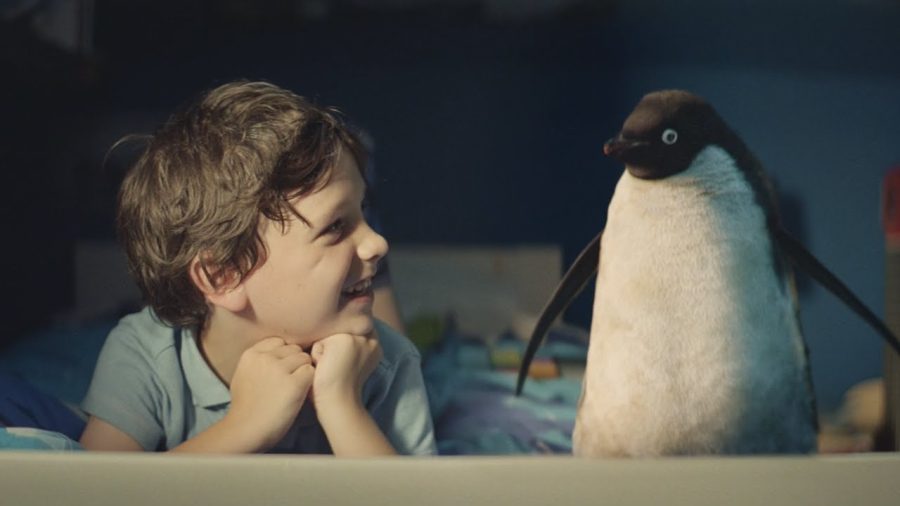
Dougal Wilson's 2014 film for John Lewis gave a boy's toy penguin a mate, sold out a £95 plush in days and won a Cannes Creative Effectiveness Grand Prix. A look back.
73 campaigns reviewed
Every review scored out of 100, with full credits and the evidence behind the result.
All campaigns29 Christmas adverts so far
Every UK Christmas advert of 2026 in one place, with the films, the credits and our verdicts.
Watch all 2922 rankings
The best adverts by brand, decade and season, argued properly and kept up to date.
All rankings157 stories
The advertising stories that matter, published every weekday, with what each one means.
All news 10 Nov, 09:53 JD Sports Christmas advert 2026: Create The New swaps festive nostalgia for young creatives
 10 Nov, 09:53 Morrisons Christmas advert 2026: Goldilocks meets the Three Bears in Christmas Made Just Right
 10 Nov, 09:52 Waitrose Christmas advert 2026: Keira Knightley and Joe Wilkinson return in The Perfect Gift 2
13 guides and rulings
ASA rulings and the UK advertising rules, explained in plain English and checked against the source.
All policy19 explainers
How great advertising gets made, from the brief to the media plan, and how to make your own.
All craft147 brands tracked
Every brand we have reviewed or reported on, with its best work and its latest news.
Brands A to Z97 agencies credited
The agencies behind the work, with every campaign we have credited to them.
Agencies A to Z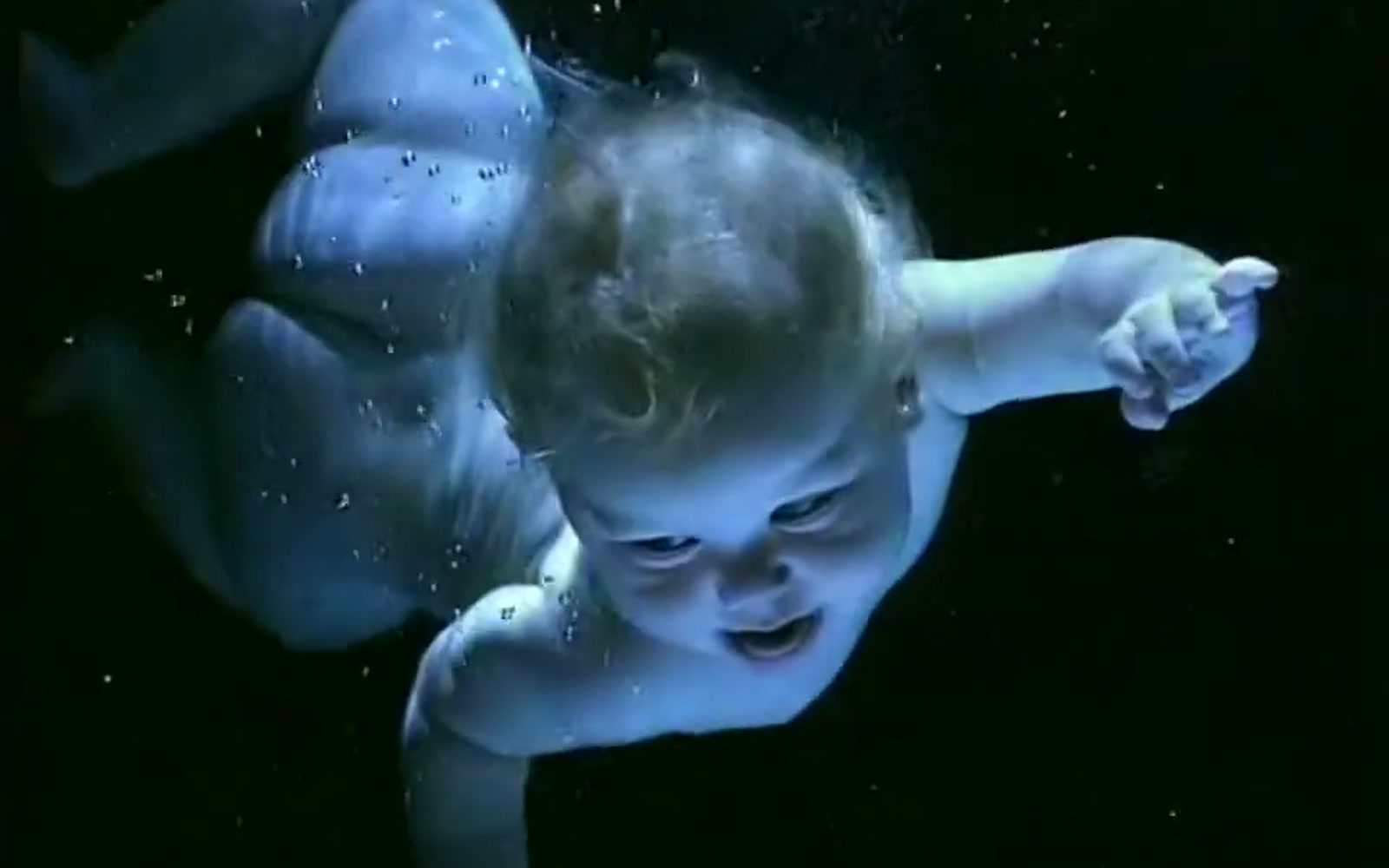

The model British brand launch, with a line a stranger can still repeat and an identity that needed no explanation, marked down on effectiveness because the published evidence is awareness rather than modelled sales.
In April 1994 a mobile network with no customers, a fruit for a name and a square of colour for a logo went on air with a sixty second film scored by Philip Glass and a line that promised nothing about phones. The Future’s Bright, The Future’s Orange did not describe a tariff or a handset. It described a feeling about tomorrow, and within two weeks nearly half the country knew the name.
Our take: the best brand launch British advertising has produced, built on a line so strong that the company kept reaching for it long after it had stopped living up to it.
British mobile telephony in 1994 was a duopoly with a challenger. Cellnet, a joint venture between BT and Securicor, and Vodafone had shared the market since 1985, and Mercury One 2 One had arrived in 1993 as the first GSM 1800 network, as Campaign’s history of the sector sets out. Hutchison, which had bought control of a consortium called Microtel, was about to launch fourth, with no customers and a name nobody had heard.
The category itself was the bigger obstacle. Orange’s own brand history describes a market where complex tariffs and high prices had made the mobile a status symbol for business users and nothing else. Hans Snook’s answer was to build what he called a personal communications company, simple and accessible for everybody, and to give it a name and a look that owed nothing to telecoms. Wolff Olins produced the identity around five words, simple, friendly, honest, refreshing and dynamic, and the orange square.
The product backed the promise. Orange billed by the second rather than the minute and bundled inclusive minutes into monthly Talk plans, which one former Orange executive, Dowshan Humzah, later listed alongside caller line identification as the innovations that let a fourth entrant compete on fairness rather than coverage. The advertising did not need to explain any of that. It needed to make people want to belong to the company that did it.
WCRS’s line does two things at once. The first half is a piece of optimism anybody could sign up to; the second half claims that optimism for a brand that did not yet exist, and the internal rhyme makes the claim sound inevitable. A stranger can repeat it, and thirty years on most British adults still can. Campaign calls it one of advertising’s most iconic lines, and it is hard to name a launch slogan that has aged better.
The strategic trick was to refuse the category’s conventions. Vodafone and Cellnet advertised coverage, tariffs and handsets to people who already had a reason to buy; Orange advertised a mood to people who did not, and left the rational case to the tariff leaflet. That is exactly the move O2 made in 2002 and EE made a decade later with Kevin Bacon, and both were following a path Orange had cut.
The launch commercial, catalogued by the History of Advertising Trust in its British Arrows archive, runs a full minute and was directed by Frank Budgen through the Paul Weiland Film Company, with Alexander Witt on camera and The Mill on post production. Rooney Carruthers art directed and Larry Barker wrote it, and Chris Moss is listed as the client supervisor. Budgen would go on to win the Cannes Grand Prix twice, for Nike’s Tag and PlayStation’s Mountain, and this is one of the earliest films on which that reputation rests.
Philip Glass supplied the score, and that choice tells you what the agency was reaching for. Glass was the composer of Koyaanisqatsi, not of jingles, and his pulsing minimalism gives a minute of brand film the scale of a documentary about the planet. The commercial does not demonstrate a product or show a price. It is a sixty second argument that the company launching it belongs to the future, and the line is the only claim it makes.
The discipline of the early work is in what it withholds. There is no jargon and no attempt to explain the technology, because the identity had been designed so that the square and the colour could carry the brand on their own. The line does the persuading, the square does the recognising, and the music does the feeling. It is a division of labour few launches manage, and it is why the campaign could run for years across television, poster and press without the pieces contradicting each other.
WCRS held the account for six years and kept the tone steady throughout, and the results were visible in the tracking. Orange’s brand history records awareness of 45 per cent within two weeks of launch and 70 per cent after two years, twenty points ahead of Vodafone and BT Cellnet. For a fourth entrant with a smaller network, that gap was almost entirely the work of the brand.
The brand’s most loved piece of activity arrived after WCRS had gone. In 2003 Orange launched Orange Wednesdays, a two for one cinema ticket offer for its customers that later added two for one main meals at PizzaExpress. It ran for more than a decade and, as NME reported, ended on 25 February 2015 with EE explaining that its brand had changed and its customers’ viewing habits had evolved.
What makes Orange Wednesdays relevant to a review of the advertising is that it was the brand promise made tangible. A network that had launched by claiming the future was bright spent a decade proving it by giving people a night out every week, and it did so under the same colour and square the launch film had established. Promotions rarely earn affection; this one did, because it behaved like the brand.
The awareness figures above are the cleanest published evidence, and they are the brand’s own. The commercial verdict came from the market. France Telecom paid £31bn for Orange in 2000, according to Campaign, six years after a launch that had started with no customers at all, and it went on to put the name on its operations in dozens of countries. That is not an isolated advertising effect and we do not score it as one, but it is the price somebody paid for a brand that had been a blank sheet six years earlier.
The line did not die with the EE merger, whatever the folk memory says. It was mislaid in stages. In 2000, two months after the France Telecom deal, Snook moved the £50m account from WCRS to Lowe Lintas because the agency was in six markets and Orange now needed fifty, a decision he told Campaign was “one hell of a difficult decision”. The strategy was set aside in 2001, and by 2005, with UK revenue falling, Orange brought the line back to the centre of its advertising through Mother, with a film about the 2003 New York power cuts.
The end came in June 2008. Tom Alexander, the former Virgin Mobile chief brought in to turn the business round, scrapped the founding slogan as part of a new strategy, and the advertising that followed that summer carried Fallon’s replacement, “I am”. Only in September 2009 did France Telecom and Deutsche Telekom announce the merger talks that produced Everything Everywhere in 2010, shortened to EE in 2011. The brand itself was withdrawn from new customers in February 2015, but the line had been gone for the best part of seven years by then.
The unkind reading is that a company was handed one of the great lines and could not stop fiddling with it. The kinder one is that a slogan promising a bright future is a hard thing to keep saying once the service stops delivering it, and by 2008 Orange’s own management had concluded it no longer could. Either way, the line survived the company, which is the reverse of what usually happens.
The Future’s Bright, The Future’s Orange is the model for launching a brand against incumbents: a line that a stranger can repeat, an identity that needs no explanation, a film that treats a phone network as a cause, and a product built to honour the promise. It scores at the top for idea and bravery and near it for craft. Effectiveness is held to a seven because the published evidence is awareness rather than modelled sales, and legs to an eight because the line outlived its owners’ nerve rather than their business. The marking is explained in how we score.

He plans, buys and reviews advertising for a living, and helps score campaigns on the site against the same five Crown Score criteria alongside other authors and contributors.
81/100Dougal Wilson's 2014 film for John Lewis gave a boy's toy penguin a mate, sold out a £95 plush in days and won a Cannes Creative Effectiveness Grand Prix. A look back.
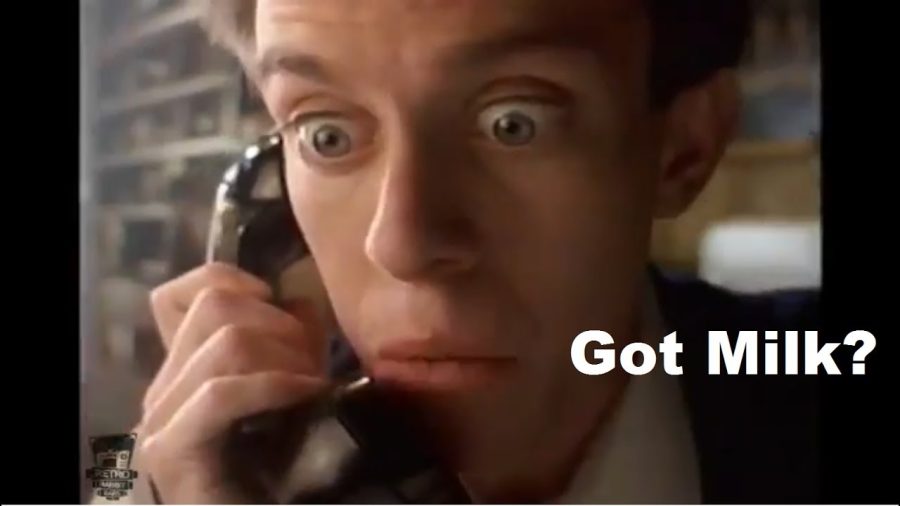 81/100
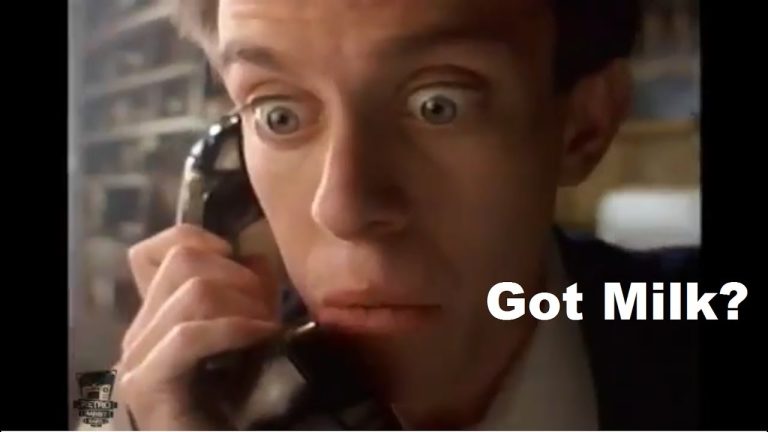
Goodby Silverstein's 1993 launch film for the California Milk Processor Board, directed by Michael Bay, turned an empty carton into the most repeated two words in American advertising.
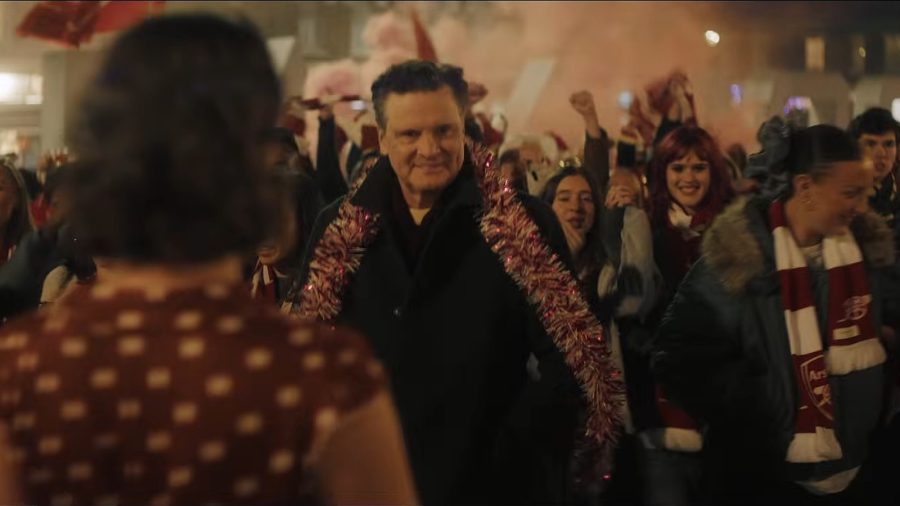 64/100
Colin Firth narrates what sounds like a Christmas story through Islington, and it turns out to be the 2025/26 title season. Arsenal's in-house festive film, reviewed.