



 87/100
Hovis “Boy on the Bike”: the advert Britain still votes best
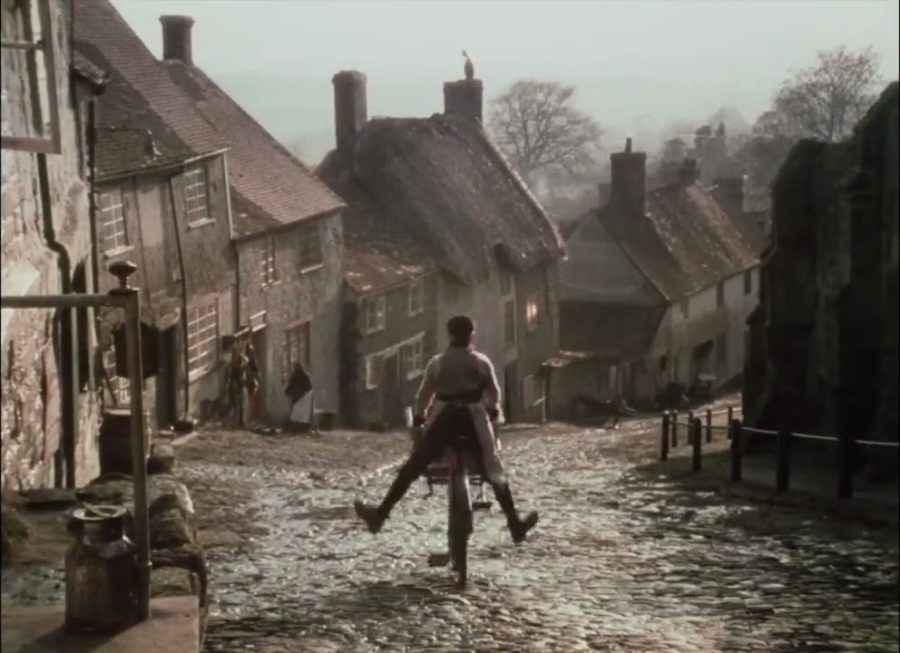
Ridley Scott's 1973 Hovis advert put a boy, a bread bike and a colliery band on a Dorset hill. We review the idea, the craft and why it keeps topping national polls.
73 campaigns reviewed
Every review scored out of 100, with full credits and the evidence behind the result.
All campaigns29 Christmas adverts so far
Every UK Christmas advert of 2026 in one place, with the films, the credits and our verdicts.
Watch all 2922 rankings
The best adverts by brand, decade and season, argued properly and kept up to date.
All rankings157 stories
The advertising stories that matter, published every weekday, with what each one means.
All news 10 Nov, 09:53 JD Sports Christmas advert 2026: Create The New swaps festive nostalgia for young creatives
 10 Nov, 09:53 Morrisons Christmas advert 2026: Goldilocks meets the Three Bears in Christmas Made Just Right
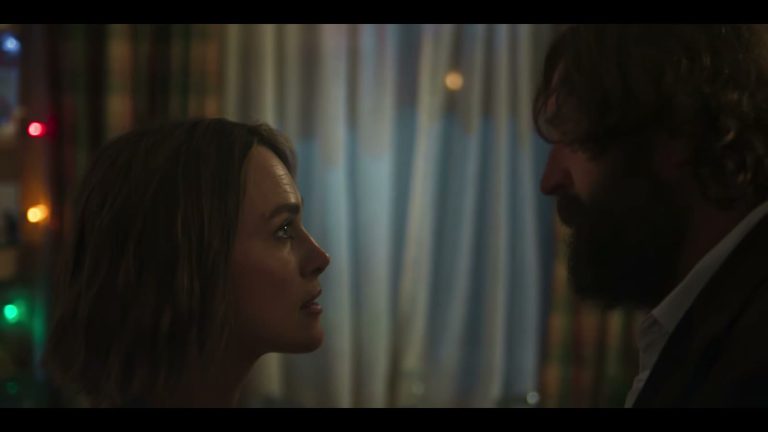 10 Nov, 09:52 Waitrose Christmas advert 2026: Keira Knightley and Joe Wilkinson return in The Perfect Gift 2
13 guides and rulings
ASA rulings and the UK advertising rules, explained in plain English and checked against the source.
All policy19 explainers
How great advertising gets made, from the brief to the media plan, and how to make your own.
All craft147 brands tracked
Every brand we have reviewed or reported on, with its best work and its latest news.
Brands A to Z97 agencies credited
The agencies behind the work, with every campaign we have credited to them.
Agencies A to ZPublicis Groupe has published an open letter to WPP chief executive Cindy Rose, calling her suggestion that it wins business on a CEO handshake an insult to clients.
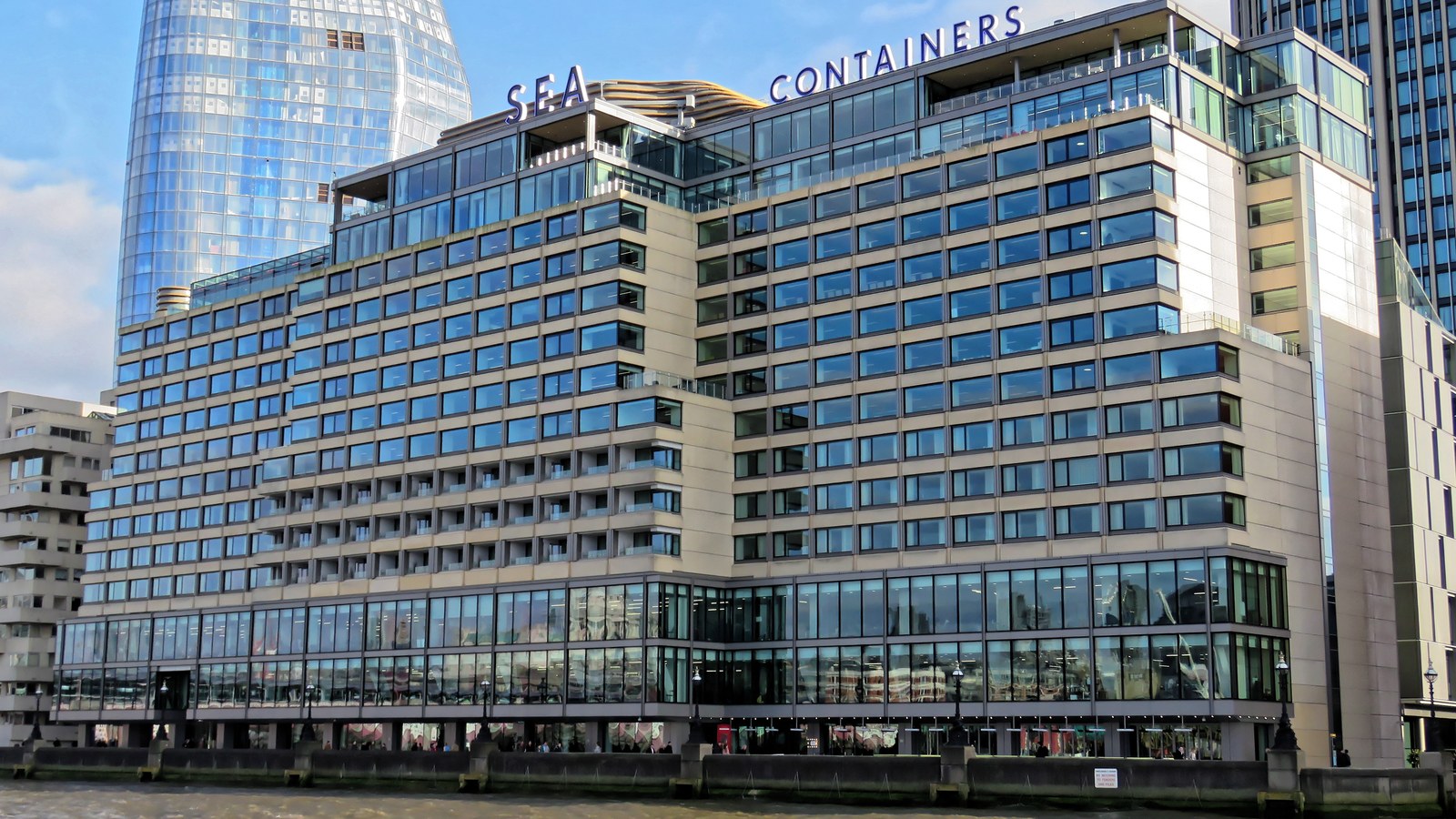
Publicis Groupe has written an open letter to WPP chief executive Cindy Rose, hitting back at her suggestion that rivals are winning big accounts without proper scrutiny. The letter, shared with Adweek on 5 November and signed off by “your friends at Publicis”, says that claiming the group wins on a CEO handshake is “an insult to clients’ intelligence”, as Adweek reported.
Rose made her comments on 29 October, the day WPP reported a 2.1% fall in third-quarter revenue less pass-through costs. Asked by Adweek about Publicis chief executive Arthur Sadoun’s view that more clients now choose agencies without a pitch, she said it was misguided to think the trend was about a CEO handshake. She added that the industry does itself no favours by encouraging clients to bypass proper due diligence, a point Adweek says she also made to investors on WPP’s results call. She did not name Publicis.
She did not need to. Publicis took PepsiCo’s global media business from Omnicom in September without a pitch, and Adweek reports it won LVMH’s Asia-Pacific account from WPP the same way. The PepsiCo win led Publicis to give up Coca-Cola’s North American media and pull out of the global review, which WPP went on to keep while Omnicom took North America.
Publicis argues that big clients spend months testing an agency’s data, technology and teams before handing over an account, and that skipping a traditional pitch is not the same as skipping due diligence. It also reminds Rose that she used to work at one of the companies that chose Publicis this year, a reference to Microsoft, which named Publicis its media agency in April.
Then the letter gets personal. It mocks the idea that WPP’s teams were too tired to compete for Coca-Cola’s biggest market, after WPP chose not to pitch for the North American account, as Digiday reported. And it says Publicis “didn’t expect a basket of muffins or a thank-you note for clearing the path to your global renewal”. WPP had not responded to Adweek at the time of writing.
Holding companies rarely trade blows this openly, and the letter reads like it was written by a company that knows it is winning. Publicis grew 5% in the third quarter while WPP is still shrinking, and its pitchless wins are the proof it offers that clients will buy data and technology without a beauty parade.
Rose has a point, though. Pitches are slow and expensive, but they are also how procurement teams check that a supplier can do what it claims, and a private test is hard for anyone outside the room to judge. The bigger question is whether other marketers follow PepsiCo. If more global accounts move without a pitch, the advantage shifts to whichever of the holding companies has the deepest data and technology stack, which is exactly the bet Publicis made when it closed its $2.2bn LiveRamp deal this week.

He plans, buys and reviews advertising for a living, and helps score campaigns on the site against the same five Crown Score criteria alongside other authors and contributors.
87/100Ridley Scott's 1973 Hovis advert put a boy, a bread bike and a colliery band on a Dorset hill. We review the idea, the craft and why it keeps topping national polls.
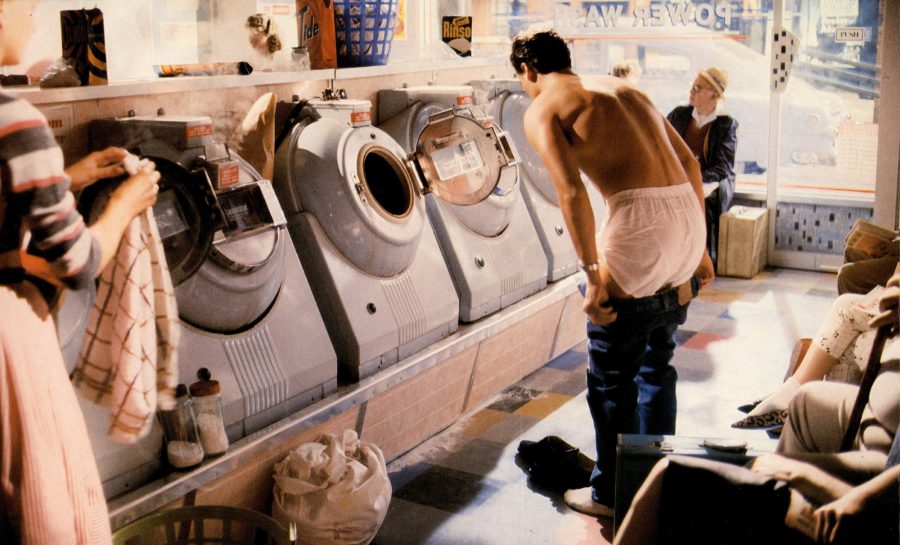 87/100
BBH's 1985 Levi's Launderette put Nick Kamen in his boxer shorts and lifted 501 sales by 800%. We review the strategy, the craft and the effectiveness evidence.
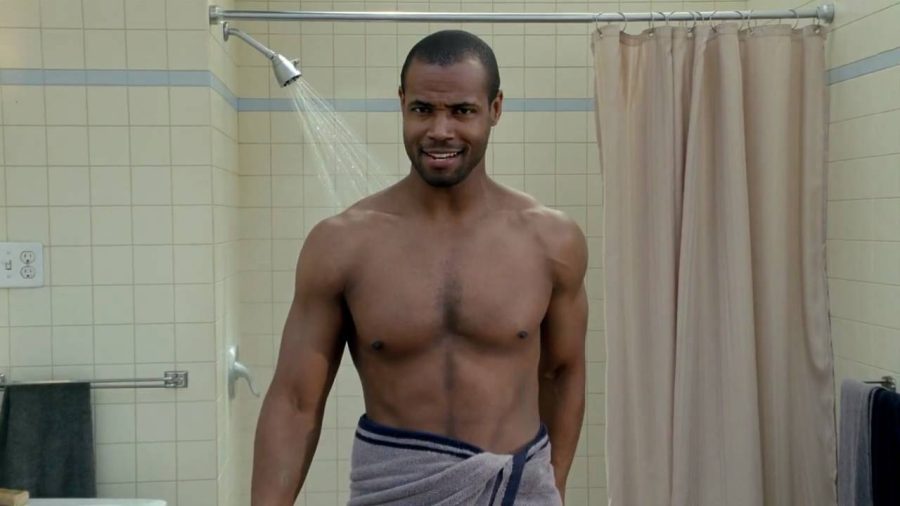 86/100
Wieden+Kennedy built the most quoted commercial of its decade from a single unbroken take, then answered 186 fans in two and a half days. The Grand Effie followed.