


 81/100
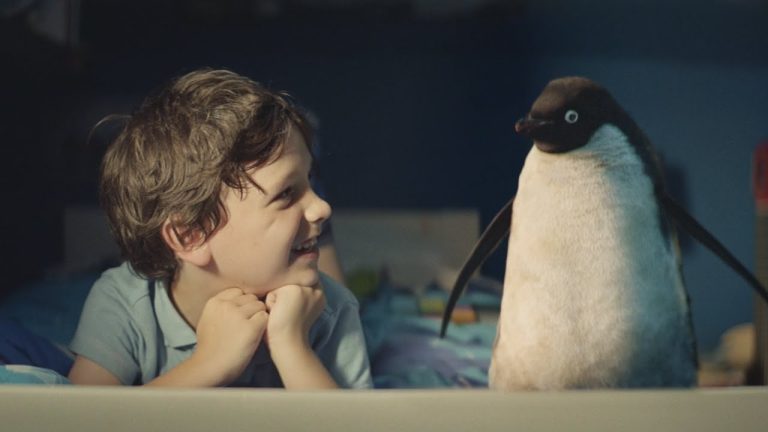
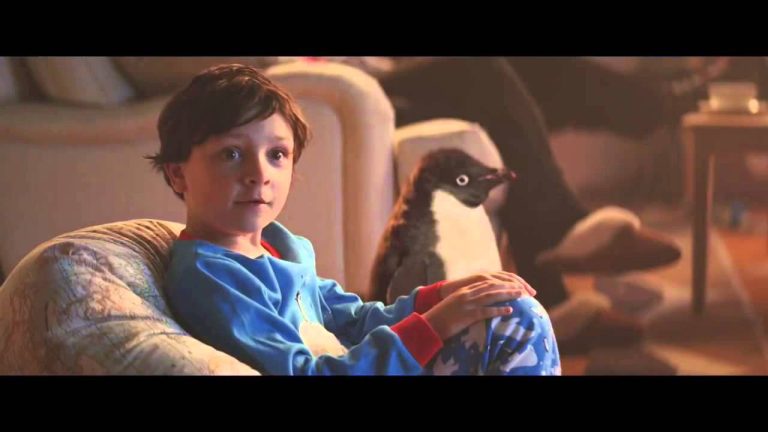
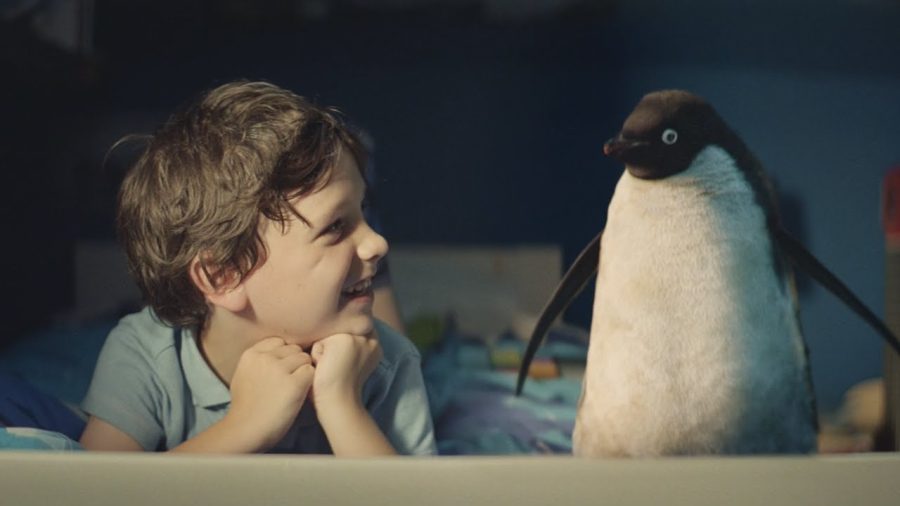
John Lewis, Monty the Penguin: the Christmas advert that became a shop
Dougal Wilson's 2014 film for John Lewis gave a boy's toy penguin a mate, sold out a £95 plush in days and won a Cannes Creative Effectiveness Grand Prix. A look back.
73 campaigns reviewed
Every review scored out of 100, with full credits and the evidence behind the result.
All campaigns29 Christmas adverts so far
Every UK Christmas advert of 2026 in one place, with the films, the credits and our verdicts.
Watch all 2922 rankings
The best adverts by brand, decade and season, argued properly and kept up to date.
All rankings157 stories
The advertising stories that matter, published every weekday, with what each one means.
All news 10 Nov, 09:53 JD Sports Christmas advert 2026: Create The New swaps festive nostalgia for young creatives
 10 Nov, 09:53 Morrisons Christmas advert 2026: Goldilocks meets the Three Bears in Christmas Made Just Right
 10 Nov, 09:52 Waitrose Christmas advert 2026: Keira Knightley and Joe Wilkinson return in The Perfect Gift 2
13 guides and rulings
ASA rulings and the UK advertising rules, explained in plain English and checked against the source.
All policy19 explainers
How great advertising gets made, from the brief to the media plan, and how to make your own.
All craft147 brands tracked
Every brand we have reviewed or reported on, with its best work and its latest news.
Brands A to Z97 agencies credited
The agencies behind the work, with every campaign we have credited to them.
Agencies A to ZFrom Rethink Remembrance to Protection, we review fifteen years of Royal British Legion Poppy Appeal advertising as one body of work: the agencies, the shift from the fallen to the living, and what it raises.
75/100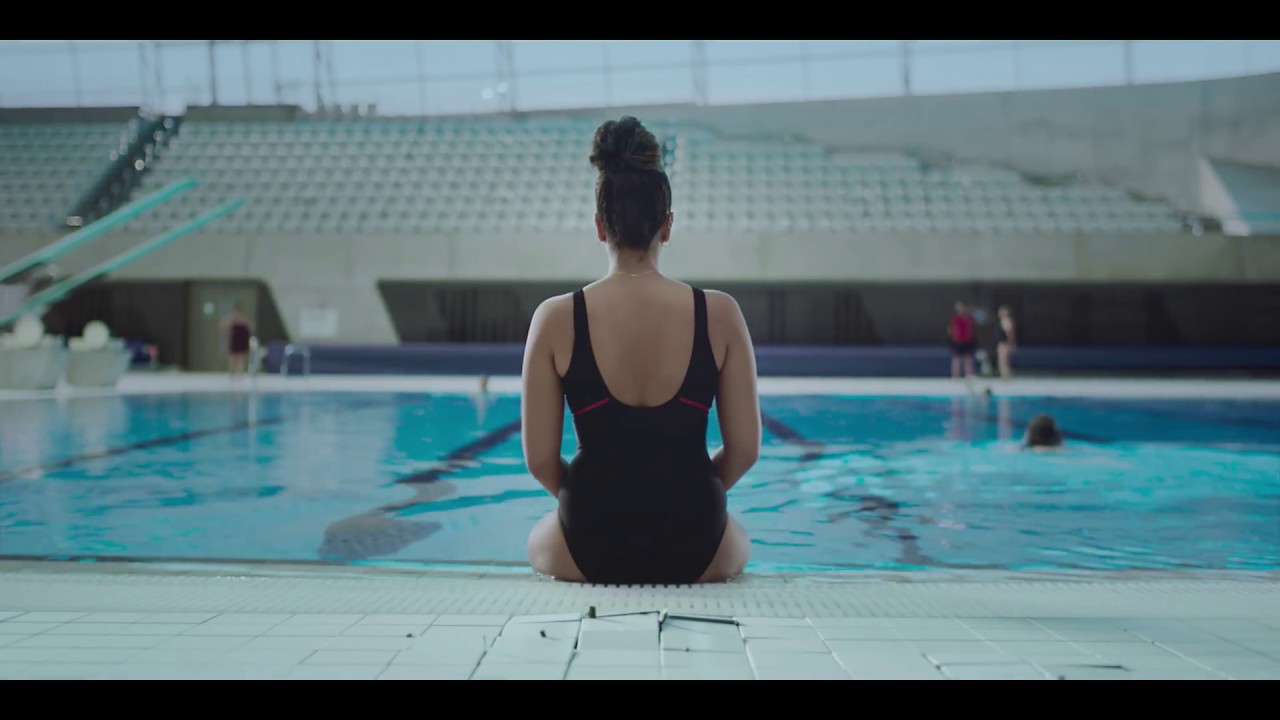
A case study in moving a national ritual without breaking it, with one canonical film and one superbly written one, marked down only because the advertising's share of a £56.6 million result cannot be isolated.
Every autumn for more than a century the Royal British Legion has asked the country to wear a paper flower, and every autumn it has to decide how to ask. The Poppy Appeal raised £56.6 million in 2025 and distributed 32 million poppies, which makes it one of the largest fundraising campaigns in Britain and, in advertising terms, one of the hardest briefs there is: the symbol is universally known, the cause is beyond argument, and the audience thinks it already knows what the message is.
The one-line take: reviewed as a body of work, the last fifteen years of Poppy Appeal advertising is a slow, deliberate turn from the fallen of 1918 to the living of today, and the best of it is among the finest charity film Britain has made.
The Legion’s difficulty is not awareness. It is that the poppy is so completely associated with Remembrance that the welfare work it pays for, on housing, debt, mobility and mental health, barely registers. In November 2014 Gary Ryan, then the Legion’s director of marketing, told Marketing Week that the charity was “very well known for our remembrance activity but we’re not so well known for the welfare work”, and that it needed to be “not just a symbol of remembrance but also one of hope”.
There was a commercial edge to that. Marketing Week reported that donations had fallen by 3.3 million between 2011 and 2012 after five years of growth, while Help for Heroes had raised more than £150 million since 2007 by telling the personal stories of the people it helped. The Legion’s response was to move marketing from a PR function to a strategic one, and to launch the “Live On” platform with Rainey Kelly Campbell Roalfe/Y&R for the 2014 appeal, the centenary of the outbreak of the First World War.
RKCR/Y&R’s 2014 work, “Every Man Remembered”, found living namesakes of men who died in the war and earned a great deal of free press. The 2015 appeal went quieter, photographing modern service personnel with equipment and techniques from the early nineteenth century. Both were preparing the ground for the film that defines the period.
“Rethink Remembrance” launched on 27 October 2016. Elderly men and women speak to camera about being shot at, losing friends, coming home changed. Everything about the framing, the typewriter-set copy in the print work and David Eustace’s portraits, tells you these are the last of the Second World War generation. Then the film reveals that every testimony belongs to a veteran of a modern conflict.
It is a twist, and twists are cheap, but this one carries the entire strategy. The audience’s assumption that Remembrance is about the old is the problem the Legion needed to solve, and the film makes the viewer catch themselves making it. The credits run to Psembi Kinstan as creative director, Anders Wendel and Elliott Tiney as creatives, Neil Huxley directing through B-Reel Films and Maxus on media. It is the best single piece of work in this review.
Y&R left the account in December 2017 and the Legion appointed Leagas Delaney in April 2018, with a first brief to mark the centenary of the Armistice. “Thank You” launched on 30 October 2018 with Bear Grylls, Mark Strong, Lance Sergeant Johnson Beharry VC and Mumsnet founder Justine Roberts thanking the whole First World War generation, soldiers and Home Front alike, with a television debut in The X Factor on 3 November, as The Drum reported. On 11 November VCCP Media arranged for around 100 digital poster sites to show the campaign simultaneously during the two-minute silence, the first coordinated takeover of its kind.
The tone was gratitude rather than grief, and it landed in a year when the wider argument about the poppy was loud. The Peace Pledge Union, which sells white poppies, had reported sales of 100,000 a year and attributed some of that to unease at what it called the Legion’s increasingly nationalistic tone. Ten days before the centenary the Legion publicly asked its own supporters to stop abusing white poppy wearers online, saying wearing one was “a personal choice”, a statement the PPU welcomed while restating its objections.
That is the right note, and it matters for the advertising. A charity whose symbol has become a test of loyalty cannot advertise its way out of that; it can only model the behaviour it wants. The 2018 appeal set a £50 million target, and the Legion reported the average donation rising from £3.53 to £4.67 and more than a million public acts of thanks during the campaign.
The pandemic removed the mechanism. Around 40 million poppies are handed out each year by collectors, and in 2020 most of those collectors, many of them elderly, could not go out. Leagas Delaney and VCCP Media built “Every Poppy Counts” around long-form films that went out on 6 October 2020 in The Great British Bake Off on Channel 4 and Love Your Garden on ITV at the same moment, reaching an estimated 7.5 million adults, before switching to response messaging from 12 October, as LBB reported.
The stills were as good as the film. Charlie Clift photographed collectors on their doorsteps and at their windows, including a Second World War veteran observing the silence from his front step and an RAF doctor who had worked in intensive care. It is the appeal at its most literal: here are the people who usually stand outside Tesco with a tin, and this year they cannot.
The recent work has turned the camera fully on the living. “What They Won’t Tell You” launched on 12 October 2023 in Coronation Street, with veterans and serving personnel describing the parts of service they do not usually discuss, directed by Jay Clark through Crossfire with post at The Mill and media by Bicycle, according to Creative Moment. Tim Delaney himself took the creative credit.
“Protection”, the 2024 film, is the sharpest piece of writing in the set. A soldier removes his kit item by item while a voice explains what each piece cannot do: the ballistic glasses do not protect against nightmares, the Kevlar helmet does not shield against panic attacks. It ends on the man underneath the uniform and the line that the Legion is here for those who served, as Creativebrief described.
The 2024 appeal launched on 24 October at HMS President in London with a £51.3 million target and a stated focus on mental health, and the 2025 appeal opened on 23 October at the Frameless gallery under the theme of rebuilding lives, with a target of more than £50 million. Leagas Delaney, the incumbent, was reappointed to the brand advertising account in June 2026. The Legion has set 22 October as the launch of the 2026 appeal.
The appeal’s totals are public. The Legion’s own figures put the 2025 appeal at £56.6 million, with 32 million poppies and 135,000 wreaths distributed and 59,000 collectors and volunteers. The 2024 appeal raised £51.4 million, £1.1 million more than 2023, from around 30 million poppies. Set against the £50 million target of 2018, that is steady growth through a pandemic and a cost-of-living squeeze.
What the advertising contributed to that curve is not separable from the collectors, the supermarkets and the calendar, and the Legion has not published an effectiveness paper that tries. We score it on the evidence that exists, as set out in how we score: a rising total, a documented strategic shift and, in 2018, a measured lift in the average gift.
Read in sequence, the work tells one story. In 2014 the Legion decided it had to be a symbol of hope as well as memory, and in 2016 it made the audience confront its own assumption that veterans are old. In 2018 it thanked a generation and was careful about the tone of the thanks. Since 2023 it has let serving and former personnel speak, in their own words, about what service costs.
That is a harder and more honest position than the sentimental one, and it is not without cost, because a campaign about panic attacks does not have the easy emotional lift of a bugle at dusk. It is also the only position that can keep the appeal relevant as the wars people remember change. Anyone tempted to use the period for softer ends should look at how carefully commercial brands have handled it, including the film we reviewed in Sainsbury’s 1914, and then at how much more the Legion is asking of its audience.
Taken as a whole, the Legion’s Poppy Appeal advertising of the last fifteen years is a case study in moving a national ritual without breaking it. Rethink Remembrance is a canonical piece of charity film, Protection is a superbly written one, and the strategic line from 2014 to today is unusually coherent for a client that has changed agencies. It loses marks on effectiveness only because the advertising’s share of a £56.6 million result cannot be isolated, and on idea because much of the run, understandably, favours restraint over invention. Few bodies of work in this archive carry more responsibility, and few handle it as well.

He plans, buys and reviews advertising for a living, and helps score campaigns on the site against the same five Crown Score criteria alongside other authors and contributors.
81/100Dougal Wilson's 2014 film for John Lewis gave a boy's toy penguin a mate, sold out a £95 plush in days and won a Cannes Creative Effectiveness Grand Prix. A look back.
 83/100
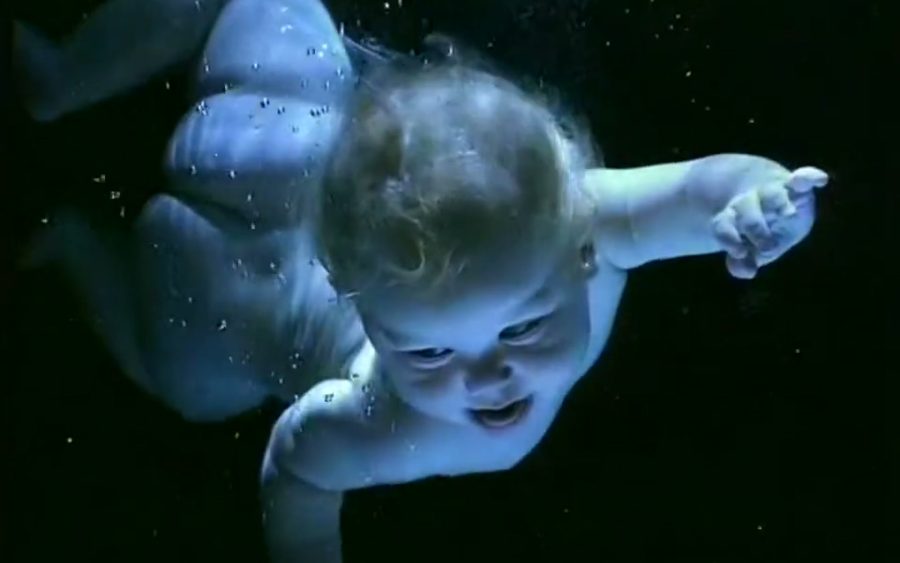
WCRS launched a fourth mobile network in 1994 with a Philip Glass score, an orange square and a line about the future. The Future's Bright, The Future's Orange, reviewed.
 81/100
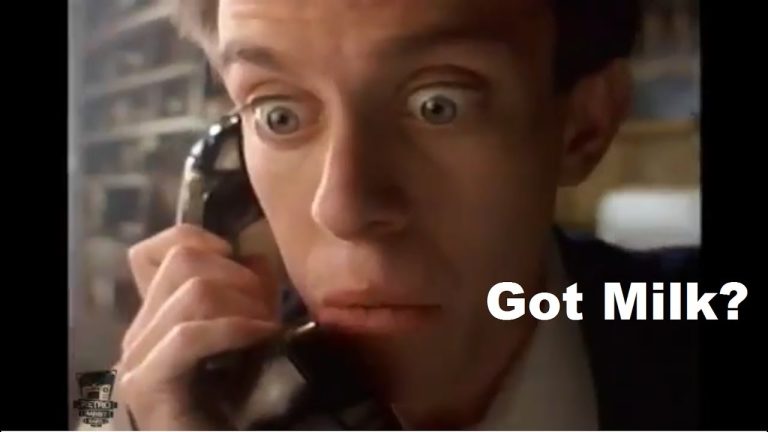
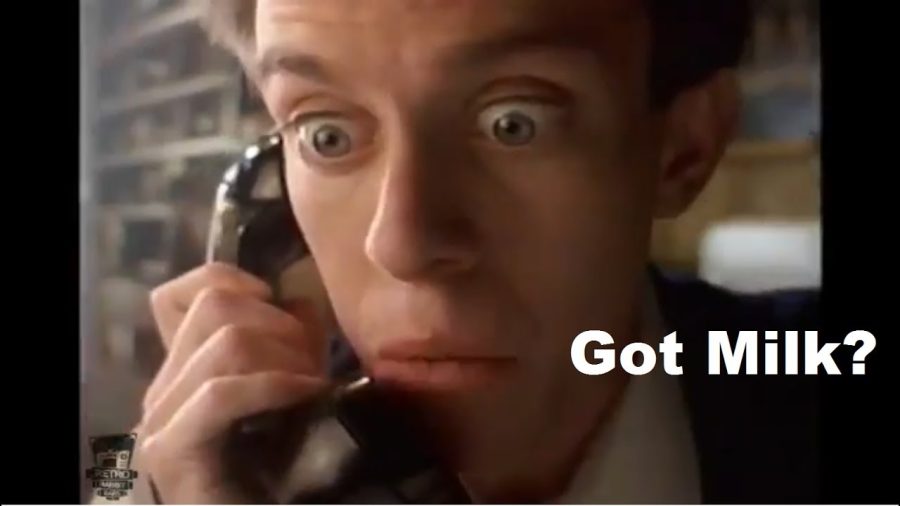
Goodby Silverstein's 1993 launch film for the California Milk Processor Board, directed by Michael Bay, turned an empty carton into the most repeated two words in American advertising.