








Royal Mail summit: government calls in the CWU and bosses over the postal crisis
Business Secretary Jonathan Reynolds has called an urgent summit with the CWU and Royal Mail bosses on 3 November, days after the DM26 rollout was halted until January.
73 campaigns reviewed
Every review scored out of 100, with full credits and the evidence behind the result.
All campaigns29 Christmas adverts so far
Every UK Christmas advert of 2026 in one place, with the films, the credits and our verdicts.
Watch all 2922 rankings
The best adverts by brand, decade and season, argued properly and kept up to date.
All rankings157 stories
The advertising stories that matter, published every weekday, with what each one means.
All news 10 Nov, 09:53 JD Sports Christmas advert 2026: Create The New swaps festive nostalgia for young creatives
 10 Nov, 09:53 Morrisons Christmas advert 2026: Goldilocks meets the Three Bears in Christmas Made Just Right
 10 Nov, 09:52 Waitrose Christmas advert 2026: Keira Knightley and Joe Wilkinson return in The Perfect Gift 2
13 guides and rulings
ASA rulings and the UK advertising rules, explained in plain English and checked against the source.
All policy19 explainers
How great advertising gets made, from the brief to the media plan, and how to make your own.
All craft147 brands tracked
Every brand we have reviewed or reported on, with its best work and its latest news.
Brands A to Z97 agencies credited
The agencies behind the work, with every campaign we have credited to them.
Agencies A to ZRoyal Mail has paused DM26 in its last 107 delivery offices until 11 January, but with the model live in 90% of the network, direct mail clients still fear for Christmas.
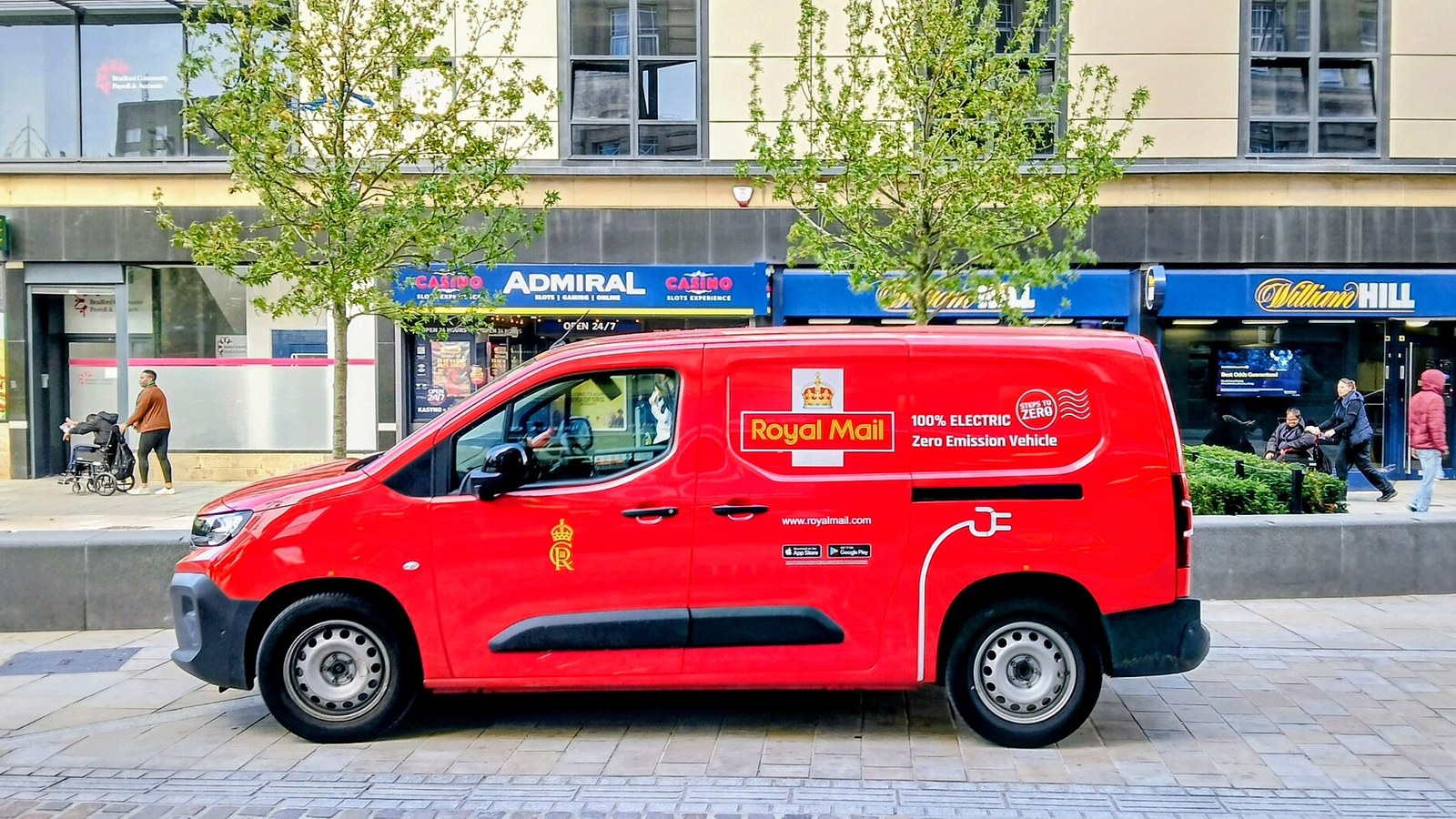
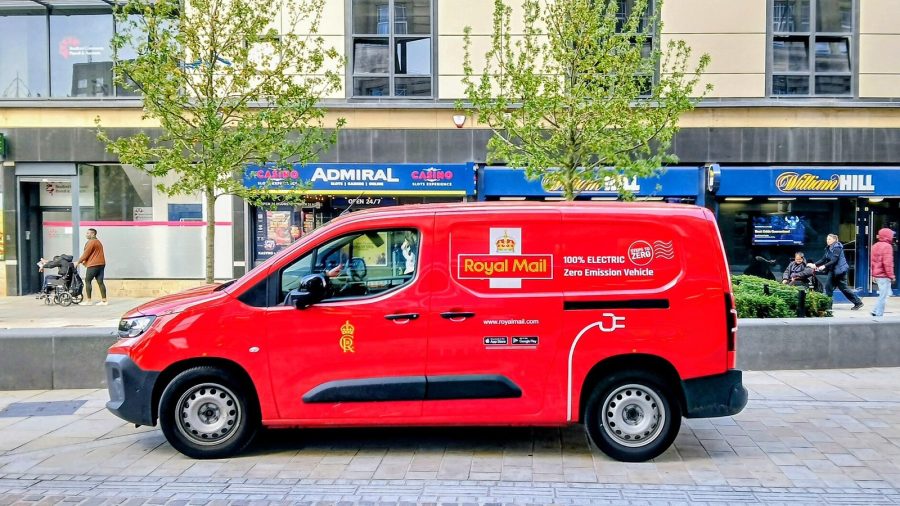
Royal Mail has halted the full rollout of its new delivery model, known as DM26, until January after a backlash from the Government, the Communication Workers Union and business customers. The final 107 delivery offices due to switch will now wait until at least 11 January 2027, as Decision Marketing reported. Direct mail and ecommerce clients, though, are far from convinced that the pause will protect Black Friday and Christmas.
DM26 followed Ofcom’s changes to the Universal Service Obligation. It moves second-class letters to alternate-day delivery and ends second-class deliveries on Saturdays, while first-class post and parcels are unaffected. Royal Mail had planned to complete the switch across all 1,200 delivery offices by Christmas.
Under the pause, a final batch of 15 offices already well advanced will still move over on 2 November, which leaves the new model running in around 90% of delivery offices through the winter. Prime Minister Andy Burnham had warned the company that its service had been “unacceptable for far too long”, according to PA, via the Irish News. The CWU, which initially backed the changes, had campaigned for a freeze, and Decision Marketing says it has also won an independent fatigue study and a commitment to make more than 8,000 temporary or part-time roles permanent.
Chief executive Alistair Cochrane says first-class next-day delivery has improved to 85%, although that is still below the 90% target. For the festive rush, Royal Mail is adding 22,000 seasonal workers, 7,500 extra hire vans and five temporary parcel sorting centres.
Not everyone is reassured. Ecommerce groups have warned that disruption could be disastrous for smaller merchants, and one industry source told Decision Marketing: “The damage already appears to have been done.” Liam Byrne, chair of the Business, Innovation, Science and Trade Committee, has said the postal service remains far from fixed.
This is the next turn in a story that has dogged the direct mail industry all autumn, from the clash between Royal Mail and the CWU over the delivery model to the U-turn on business mail prices. The pause removes one source of disruption, but the new model is already live in most of the network during the busiest weeks of the year.
For brands with door drops, catalogues or mailings booked around Black Friday and Christmas, the safe assumption is that delivery windows will be less predictable than in past years. Building in extra lead time, and keeping a digital back-up for time-sensitive offers, looks sensible until Royal Mail can prove that its performance has recovered.

He plans, buys and reviews advertising for a living, and helps score campaigns on the site against the same five Crown Score criteria alongside other authors and contributors.
Business Secretary Jonathan Reynolds has called an urgent summit with the CWU and Royal Mail bosses on 3 November, days after the DM26 rollout was halted until January.
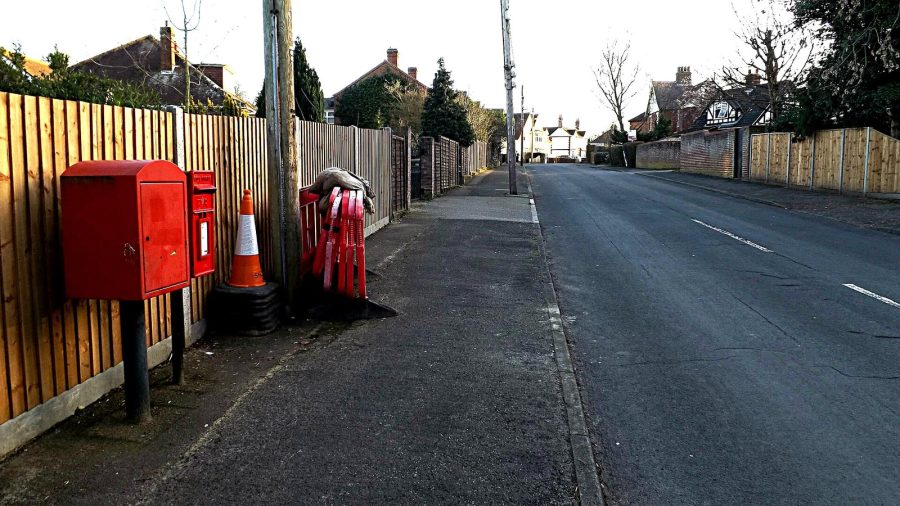
The CWU has withdrawn support for Royal Mail's new delivery model, saying up to 400 staff leave a week, as owner Daniel Křetínský seeks emergency talks before peak season.
Royal Mail has scaled back its disputed rises: Business Mail now goes up 19.4 per cent rather than 30.7 per cent, and Advertising Mail 12 per cent, from 7 December.