

 81/100
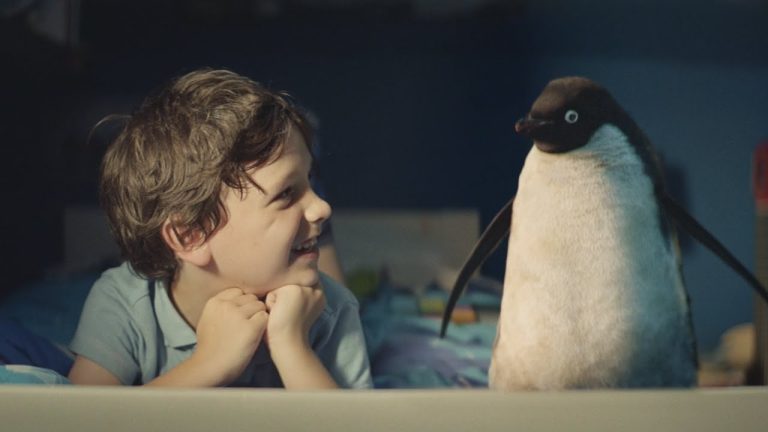
John Lewis, Monty the Penguin: the Christmas advert that became a shop
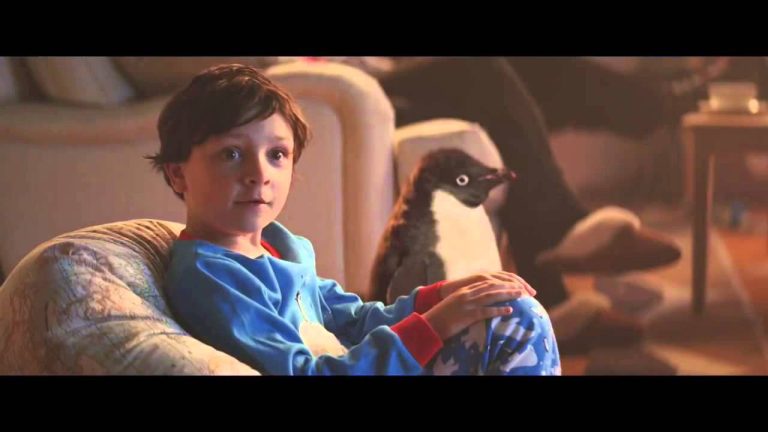
Dougal Wilson's 2014 film for John Lewis gave a boy's toy penguin a mate, sold out a £95 plush in days and won a Cannes Creative Effectiveness Grand Prix. A look back.
73 campaigns reviewed
Every review scored out of 100, with full credits and the evidence behind the result.
All campaigns29 Christmas adverts so far
Every UK Christmas advert of 2026 in one place, with the films, the credits and our verdicts.
Watch all 2922 rankings
The best adverts by brand, decade and season, argued properly and kept up to date.
All rankings157 stories
The advertising stories that matter, published every weekday, with what each one means.
All news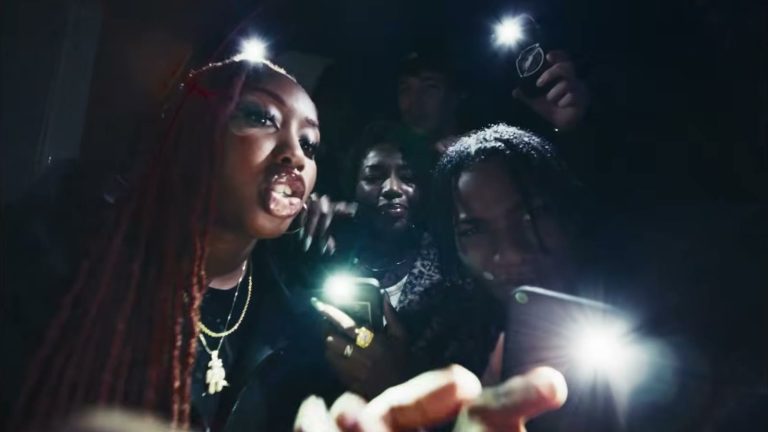 10 Nov, 09:53 JD Sports Christmas advert 2026: Create The New swaps festive nostalgia for young creatives
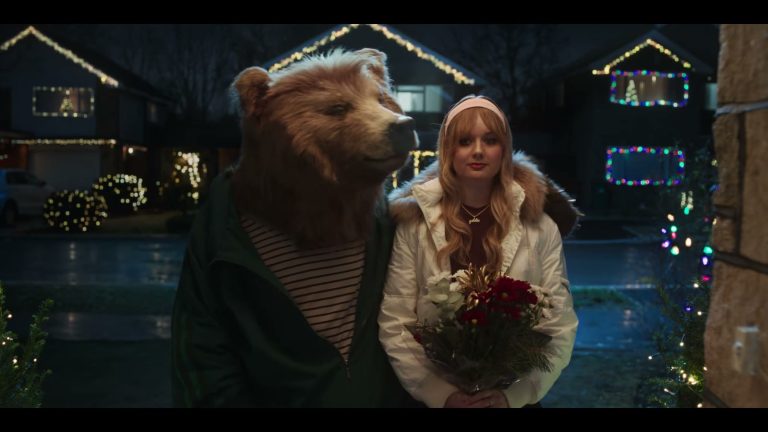 10 Nov, 09:53 Morrisons Christmas advert 2026: Goldilocks meets the Three Bears in Christmas Made Just Right
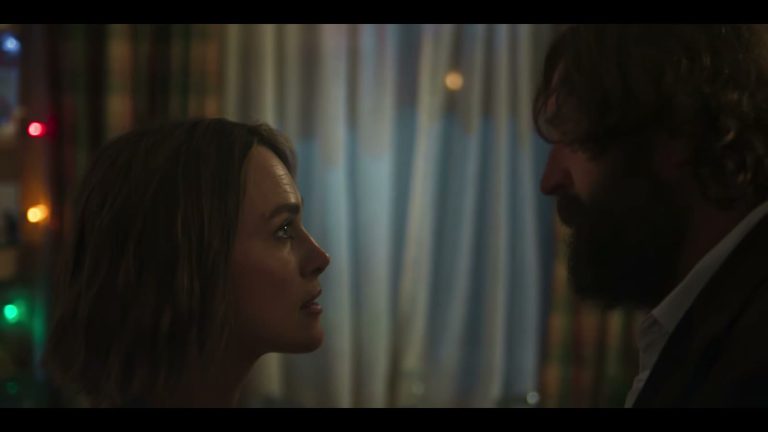 10 Nov, 09:52 Waitrose Christmas advert 2026: Keira Knightley and Joe Wilkinson return in The Perfect Gift 2
13 guides and rulings
ASA rulings and the UK advertising rules, explained in plain English and checked against the source.
All policy19 explainers
How great advertising gets made, from the brief to the media plan, and how to make your own.
All craft147 brands tracked
Every brand we have reviewed or reported on, with its best work and its latest news.
Brands A to Z97 agencies credited
The agencies behind the work, with every campaign we have credited to them.
Agencies A to Z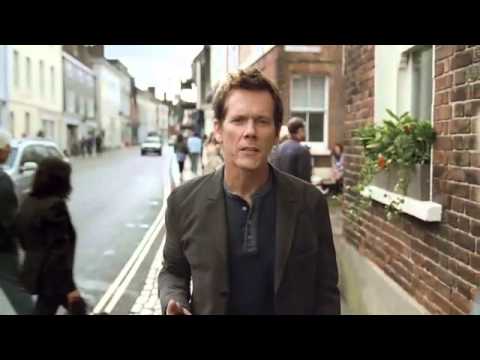

A casting decision that solved an abstract product in one stroke, backed by a public subscriber curve and stretched, unusually, across fourteen years.
Kevin Bacon walks down a small British high street and explains, very politely, that he is connected to everyone. Tom Hanks. Ken Barlow. You. The film went out during The X Factor on ITV on Saturday 3 November 2012, four days after EE switched on the first 4G network in Britain, and it introduced a brand almost nobody had heard of to several million people at once.
The one-line take: a piece of casting so exact that it did the strategy’s job for it, and then kept doing that job for fourteen years.
Everything Everywhere owned Orange and T-Mobile in the UK and had spent two years being a holding company that customers could not name. Its answer was to stop hiding, rebrand as EE, and go first on 4G while the rest of the market waited on spectrum. The network went live on 30 October 2012. The launch advertising broke four days later, and it had to do two jobs in one film: name a brand from a standing start, and explain a technology most people could not define.
That second job is the hard one. Speed is invisible. A network cannot be photographed, and the benefit of a faster one is a set of things that already existed, only quicker. Most launch work in the category solves this with speedometers, particles and a voiceover promising the future.
Saatchi & Saatchi built the launch on Six Degrees of Kevin Bacon, the game that holds that any film figure can be linked to Bacon in six steps or fewer, as Campaign reported on the eve of the launch. Connection is the product. Bacon is the most famous living shorthand for connection. The strategy and the casting are the same decision, which is rarer than it sounds.
The film, titled “Connected”, puts Bacon in an ordinary British market town rather than on a Hollywood set. He plays the game on himself as he walks, tracing his links out to Tom Hanks in one direction and to Ken Barlow of Coronation Street in the other. The joke lands whether or not you know the game, because the American film star doing the Corrie reference is funny on its own terms.
Four further television spots with Bacon followed through Christmas and into 2013, with a 65-second cinema cut in which he re-enacted his own best-known roles. That cinema film carried EE Film Club, the two-for-one ticket offer that inherited the audience Orange Wednesdays had built.
Ringan Ledwidge directed through Rattling Stick, and the launch film runs to one minute fifty five, which is a large sum of money to spend on a brand that did not exist the previous month. The length is the point. A shorter cut could announce EE but could not also teach the game, walk the joke through half a dozen beats and leave you liking the man delivering it.
Ledwidge shoots it as a single travelling conversation, cinematic in finish but resolutely local in setting, which keeps the American star from floating above the audience. Rob Potts’s script is dense and quick, and it never asks Bacon to sell. He explains, and the explaining is the charm.
Reviewing it for Campaign’s Adwatch column in January 2013, Tribal DDB’s Tom Roberts was direct about where the value sat.
The star has been perfectly cast. His knowing performance, disarming and entertaining in equal measure, is the highlight.
Tom Roberts, managing director, Tribal DDB London, writing in Campaign
Roberts still marked it six out of ten, on the grounds that the film sold the connected world in general more persuasively than it sold EE in particular. That criticism has aged well. The work made you like EE long before it made you understand why 4G was worth changing network for.
On fame, the numbers are unambiguous. In the Adwatch survey published on 9 January 2013, EE was the most recalled advertiser in Britain, on 58 per cent, ahead of Argos and Littlewoods. For a brand that had been trading for ten weeks, topping a recall league table against retailers in their Christmas peak is a serious result.
On subscribers, EE’s own reporting tracks the same curve. Its first quarter results for 2013 put the 4G base at 318,000 after five months of trading, against a stated target of more than one million by the end of the year. It beat that target and then some.
The full year 2013 results, published on 20 February 2014, report a 4G base of 1.996 million, grown by 816,000 in the fourth quarter alone, passing two million in early January 2014. EE described its 4G adoption rate as on a par with the world’s fastest. It also credited “strengthening brand awareness” as one of the drivers of that growth, alongside 70 per cent 4G population coverage.
One caveat, and it matters. EE was the only 4G network in Britain for the first eight months, so no published source isolates the advertising’s contribution from the monopoly’s. What can be said is that the campaign delivered the fame a first mover needed, on the evidence of Adwatch, and that the commercial target set alongside it was cleared by a factor of two. Read how we score for what we accept as effectiveness evidence.
Most celebrity endorsements are rented for a burst. This one became furniture. Bacon fronted the shift from 4G launch to broad consumer brand, including the “Who says you can’t?” platform that launched on 31 May 2018 with David Mitchell alongside him and a script about sharing data with your teenagers. He was still doing it in October 2022, selling free device check-ups.
That is the real achievement, and it is a strategic one rather than a creative one. The six degrees idea is a joke you can only tell once, but the character it established, a famous man who is unbothered about being famous, could carry data plans, film offers, broadband and price messages for over a decade. Very few celebrity platforms survive their own premise.
It ended on 25 February 2026, when Campaign revealed that EE and Bacon had parted after fourteen years, with Nick Grimshaw taking over as the brand’s voiceover. EE’s next brand campaign, “Get the Edge”, launched on 17 June 2026 with no celebrity at all. Fourteen years is roughly three times the life expectancy of a brand platform, which is the compliment.
A launch that solved an abstract product with a piece of casting nobody has bettered in the category since, and then had the discipline to stay with it for fourteen years while the brief changed underneath it. It loses marks for bravery, because a likeable Hollywood star explaining a network is the safest available answer to the question, and for the fact that its own reviewers were right that it sold connectivity better than it sold EE. As launch advertising, though, it belongs in the front rank of British campaigns, and the subscriber curve behind it is public and steep.

He plans, buys and reviews advertising for a living, and helps score campaigns on the site against the same five Crown Score criteria alongside other authors and contributors.
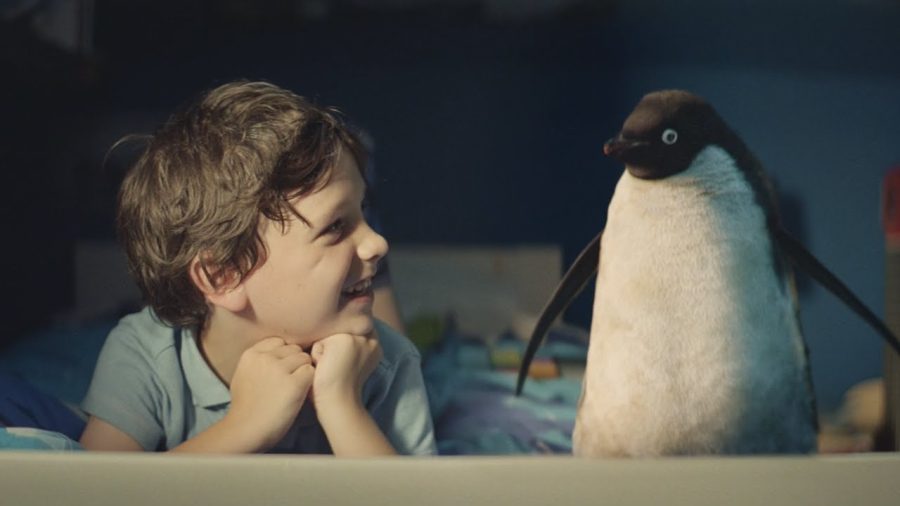
81/100Dougal Wilson's 2014 film for John Lewis gave a boy's toy penguin a mate, sold out a £95 plush in days and won a Cannes Creative Effectiveness Grand Prix. A look back.
 83/100
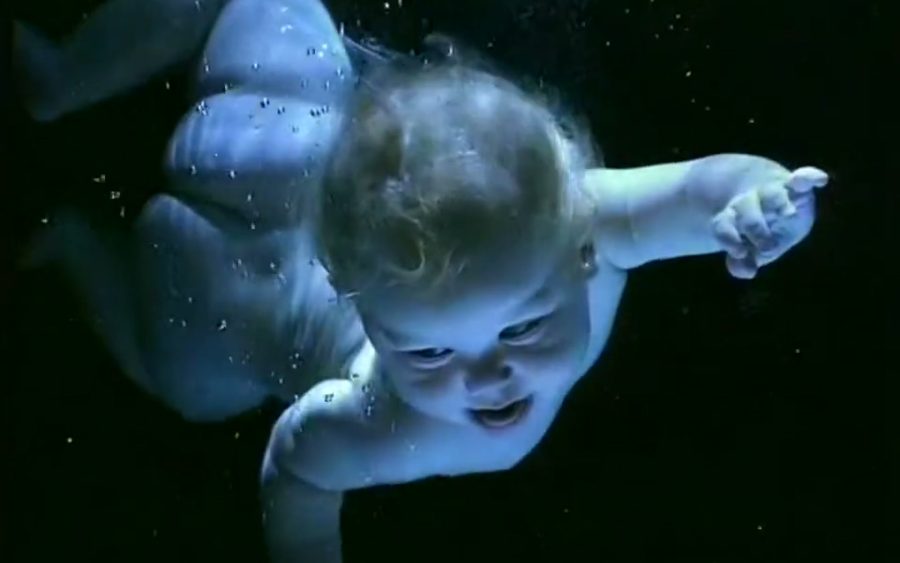
WCRS launched a fourth mobile network in 1994 with a Philip Glass score, an orange square and a line about the future. The Future's Bright, The Future's Orange, reviewed.
 81/100
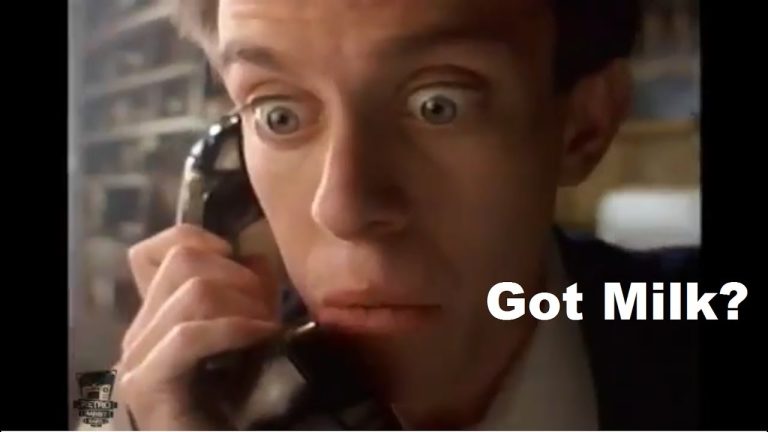
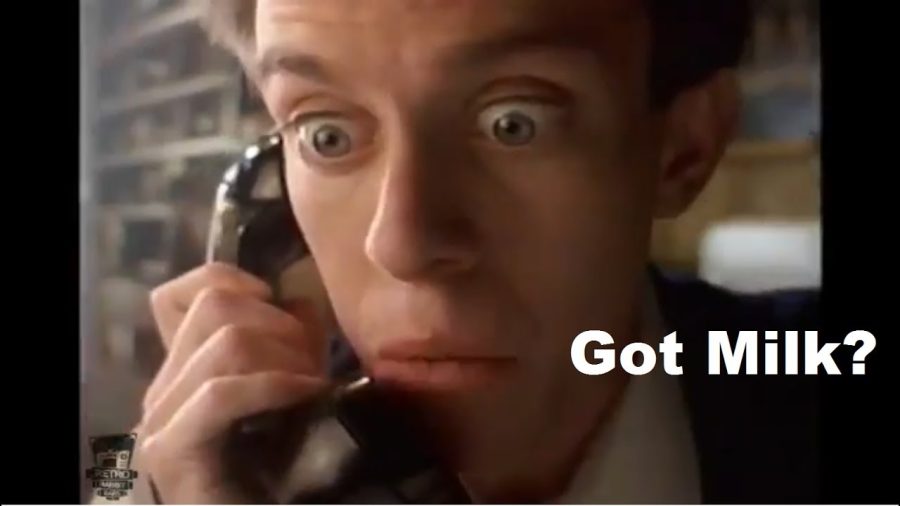
Goodby Silverstein's 1993 launch film for the California Milk Processor Board, directed by Michael Bay, turned an empty carton into the most repeated two words in American advertising.