




Sephora is coming to M&S: shop-in-shops in 100 Marks & Spencer stores from 2027
Sephora will open concessions in 100 M&S stores from spring 2027 and sell a wider range on M&S.com, giving M&S a beauty draw and Sephora a route onto every high street.
73 campaigns reviewed
Every review scored out of 100, with full credits and the evidence behind the result.
All campaigns29 Christmas adverts so far
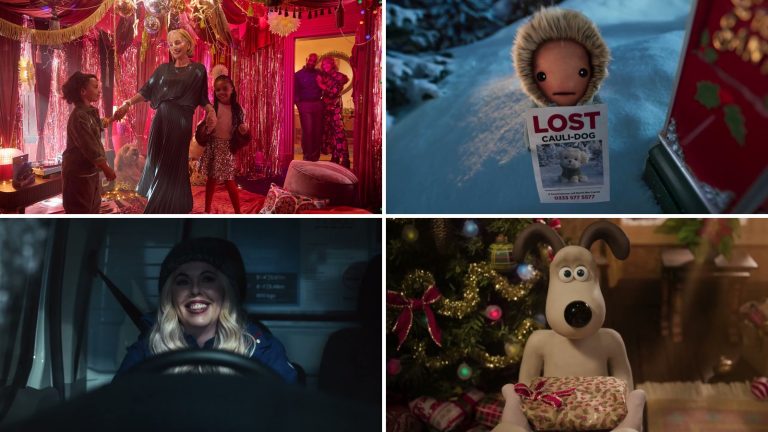
Every UK Christmas advert of 2026 in one place, with the films, the credits and our verdicts.
Watch all 2922 rankings
The best adverts by brand, decade and season, argued properly and kept up to date.
All rankings157 stories
The advertising stories that matter, published every weekday, with what each one means.
All news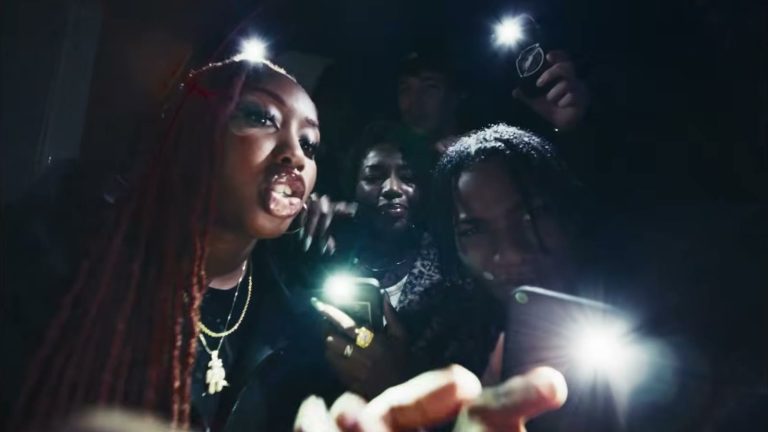 10 Nov, 09:53 JD Sports Christmas advert 2026: Create The New swaps festive nostalgia for young creatives
 10 Nov, 09:53 Morrisons Christmas advert 2026: Goldilocks meets the Three Bears in Christmas Made Just Right
 10 Nov, 09:52 Waitrose Christmas advert 2026: Keira Knightley and Joe Wilkinson return in The Perfect Gift 2
13 guides and rulings
ASA rulings and the UK advertising rules, explained in plain English and checked against the source.
All policy19 explainers
How great advertising gets made, from the brief to the media plan, and how to make your own.
All craft147 brands tracked
Every brand we have reviewed or reported on, with its best work and its latest news.
Brands A to Z97 agencies credited
The agencies behind the work, with every campaign we have credited to them.
Agencies A to ZM&S admits parts of its relaunched Sparks loyalty scheme are not working as hoped, on the day it reported profit of £403.2m and market share gains.

Marks and Spencer is reworking its Sparks loyalty scheme just seven months after relaunching it. The retailer plans to simplify the customer journey, make rewards more visible and more valuable, and improve personalisation, a spokesperson told Marketing Week. The admission came on the day M&S reported one of its highest first-half profits in 15 years, with market share gains in both food and clothing.
Sparks was relaunched in April around personalised offers and rewards paid in pounds rather than points. M&S says more than a million extra customers have joined since then, and that both active users and the number of customers scanning each week are up. But the spokesperson was candid: “Some things are really resonating with customers and some things aren’t working as we’d hoped.” Chief executive Stuart Machin said little about the scheme to investors, and M&S has not said how its marketing budget will be split.
The fix will fall to Matt McLellan, who M&S hired from Morrisons in August to lead loyalty. In October it added Christmas offers that let members earn up to £15 in their Sparks wallet on Champagne, flowers and café spending, as Retail Gazette reported.
Adjusted profit before tax was £403.2m for the 26 weeks to 26 September, up from £184.1m a year earlier when the cyber attack hit, according to M&S’s interim results. Food sales rose 13.9% and fashion, home and beauty sales rose 17.5%, though clothing sales and profit are still below where they were two years ago. Worldpanel data cited by Marketing Week named M&S the UK’s fastest-growing grocer in the 12 weeks to October, and its fashion, home and beauty market share reached 11.2%, the highest since 2013.
Machin was confident about Christmas, arguing that customers cutting back on eating out and takeaways is “good for us”. The next big change in stores is beauty, with Sephora shop-in-shops arriving from spring 2027 and rolling out to 100 stores.
Loyalty has become one of the main places UK retailers spend their marketing money, and Sparks has lagged behind. Tesco Clubcard and Sainsbury’s Nectar use member prices to lock shoppers in, and even brands without shops, such as Coca-Cola with The Club, are paying for customer data with rewards. M&S’s problem is not sign-ups but whether members notice and value what they get, and recent research shows younger shoppers are the quickest to walk away from a scheme that disappoints.
Saying so in public, in a half when the business is winning, is to M&S’s credit. A simpler Sparks with fewer, better rewards would suit a brand that sells on quality rather than discounts and has no need to join the supermarkets’ price war. The test is Christmas, when M&S food is at its strongest and Sparks has its best chance to prove it changes what people buy, not just what M&S knows about them.

He plans, buys and reviews advertising for a living, and helps score campaigns on the site against the same five Crown Score criteria alongside other authors and contributors.
Sephora will open concessions in 100 M&S stores from spring 2027 and sell a wider range on M&S.com, giving M&S a beauty draw and Sephora a route onto every high street.

The M&S autumn advert stars Gillian Anderson in the V&A's National Art Library, soundtracked by Ida Corr vs Fedde Le Grand's Let Me Think About It.
 81/100
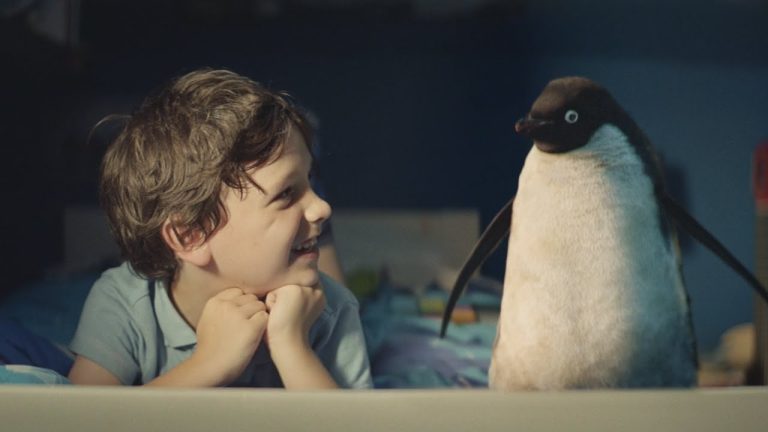
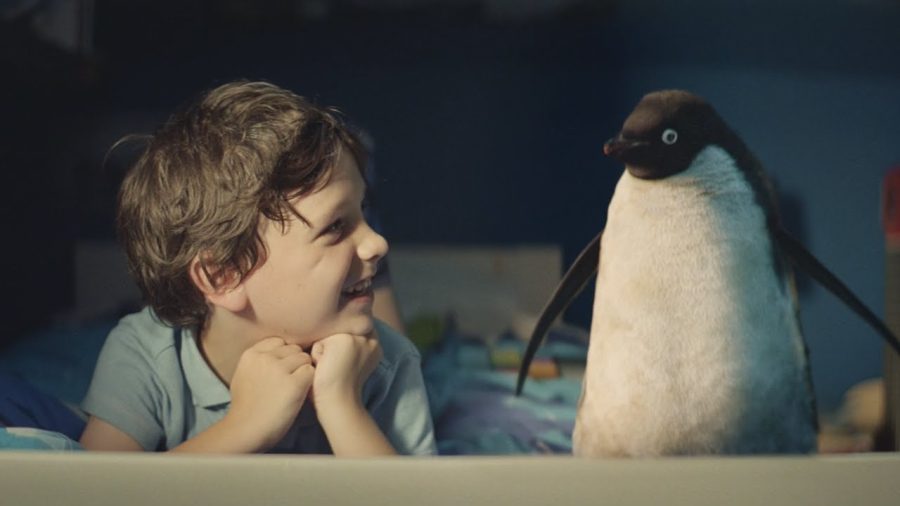
Dougal Wilson's 2014 film for John Lewis gave a boy's toy penguin a mate, sold out a £95 plush in days and won a Cannes Creative Effectiveness Grand Prix. A look back.