The Advertising Standards Authority published 12 rulings on 4 November 2026, and the biggest name on the list is King, the maker of Candy Crush. A Facebook ad for its Farm Heroes Saga game was banned as part of an ASA sweep on mobile game ads that show gameplay players will never see. Four online pharmacy ads were also banned for promoting weight-loss pills, while Walkers was cleared under the new junk food rules.
The rulings
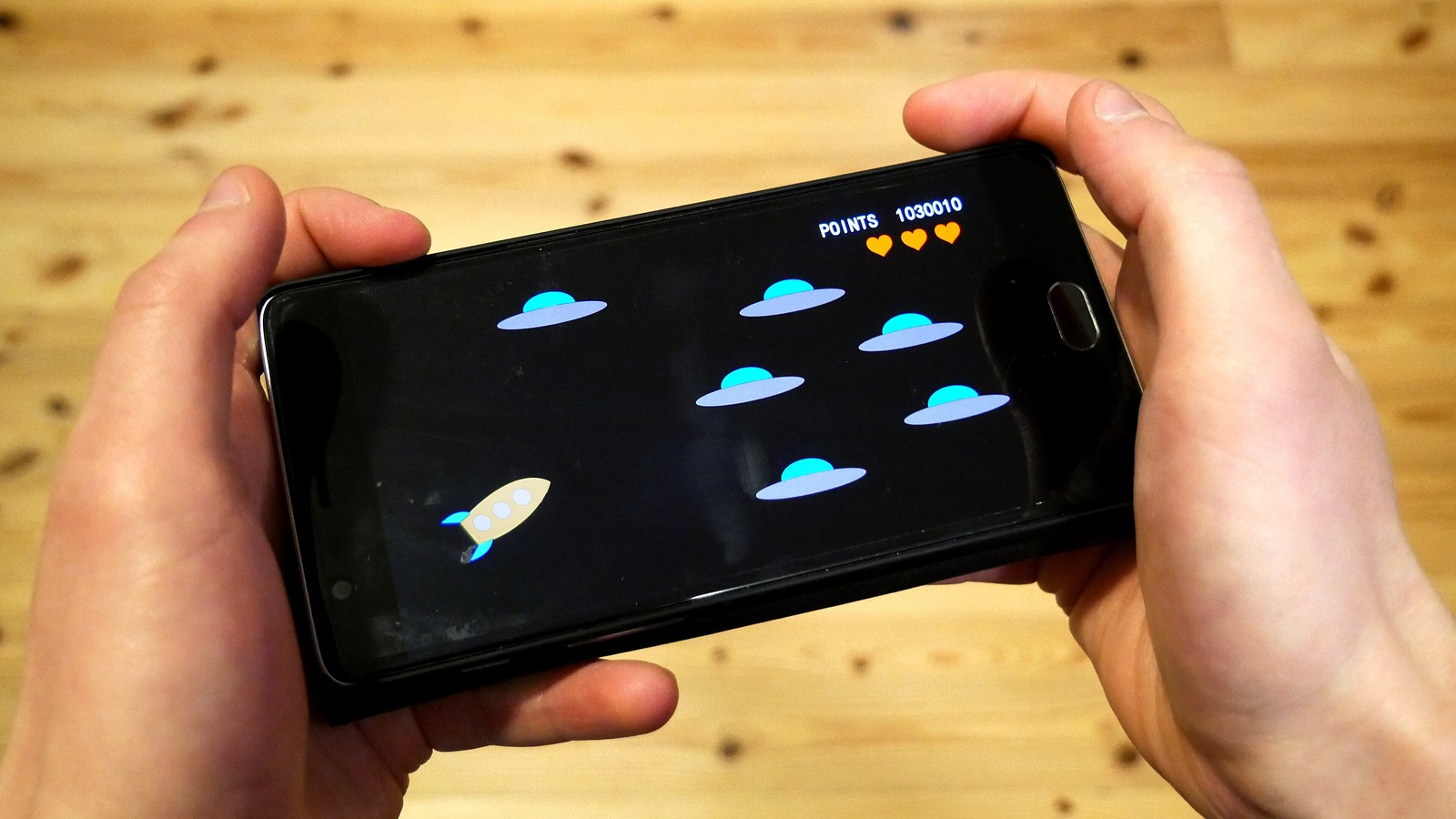
King’s ad showed the game’s match-three puzzle linked to a mini drama: matching tiles made nails fall from a hatch while a saw crept towards a cow, ending in failure. King said the cow, saw and nails were creative additions and that the ad carried a “Not actual gameplay” disclaimer. The ASA said those elements created the jeopardy the ad was built on, were not in the game, and that the disclaimer contradicted rather than clarified the ad. A second ad, with a farm intro before genuine gameplay, was cleared.
Three other game publishers were caught by the same project. Scopely’s ad for Pixel Flow! opened with a pipe puzzle that is not in the game, Omnilojo’s Google ads for Dark War Survival also used laurel graphics to suggest awards it had not won, and Vistrex’s Idle Zombie Miner was banned over a Facebook ad and its Google Play listing.
Voy had two ads banned: a video-on-demand spot built around a close-up of a pill, and a bus poster reading “The weight is over” beside a white tablet. Voy said both promoted glucomannan, a food supplement, but the ASA ruled people would read them as ads for the Wegovy tablet, licensed in the UK in June. MedExpress and Juniper were banned for promoting the same kind of prescription-only medicine on Instagram and YouTube.
Walkers was cleared over a paid TikTok by influencer Isabella Hill, which showed its Oven Baked Sea Salt crisps beside a plate including chocolate. The crisps are not high in fat, salt or sugar, and the unbranded chocolate was not an identifiable product. Copymind, an AI therapy app, Pulmoria, a lung supplement, and Zouhyitao, a seller of portable internet devices, were all banned and all failed to respond properly to the ASA. Six more cases, including Bose, Octopus Electric Vehicles and Mrs Hinch, were resolved informally.
Why it matters
The game rulings are the warning shot. All four came from a project the ASA opened on its own intelligence, and the King decision makes clear that a disclaimer will not save an ad if the fake gameplay is the hook. Fake gameplay has been a standard tactic in mobile user acquisition for years, and the regulator has now ruled on one of the biggest publishers in the category.
The Voy poster is the one marketers in health should study. It follows the ASA’s crackdown on weight-loss jab ads in October, and shows that a supplement cannot be used as cover when the creative points at a prescription drug. Walkers, meanwhile, shows the HFSS rules work as written: a non-HFSS product can still be advertised online, even with chocolate in shot. Last week’s rulings are in our round-up of 28 October.












 77/100