

 81/100
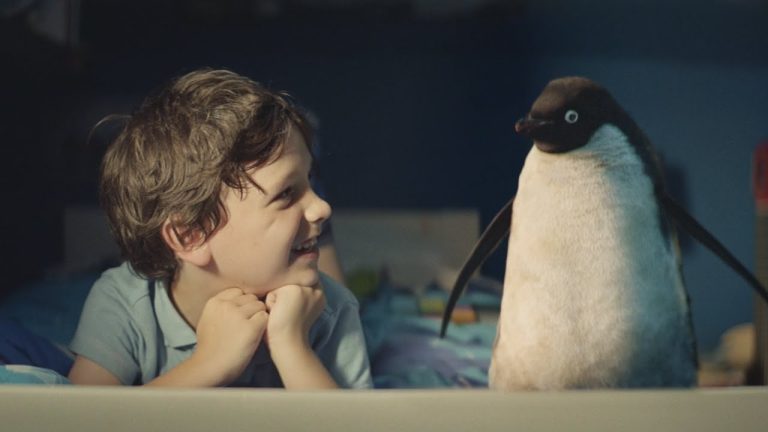
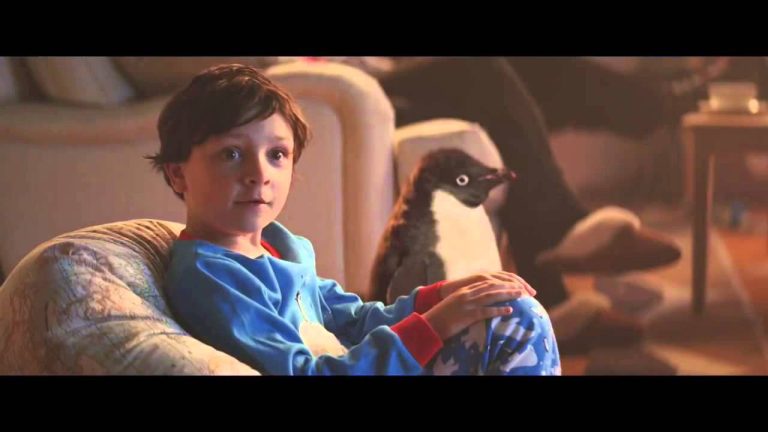
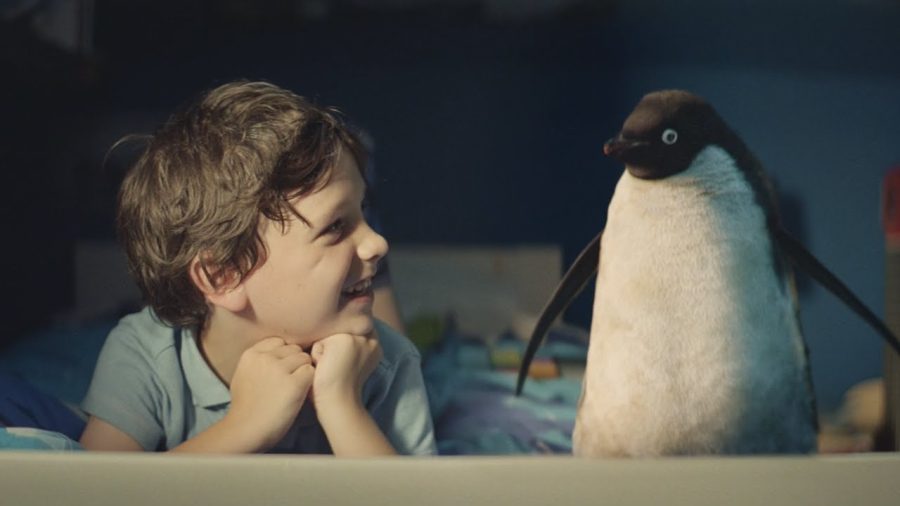
John Lewis, Monty the Penguin: the Christmas advert that became a shop
Dougal Wilson's 2014 film for John Lewis gave a boy's toy penguin a mate, sold out a £95 plush in days and won a Cannes Creative Effectiveness Grand Prix. A look back.
73 campaigns reviewed
Every review scored out of 100, with full credits and the evidence behind the result.
All campaigns29 Christmas adverts so far
Every UK Christmas advert of 2026 in one place, with the films, the credits and our verdicts.
Watch all 2922 rankings
The best adverts by brand, decade and season, argued properly and kept up to date.
All rankings157 stories
The advertising stories that matter, published every weekday, with what each one means.
All news 10 Nov, 09:53 JD Sports Christmas advert 2026: Create The New swaps festive nostalgia for young creatives
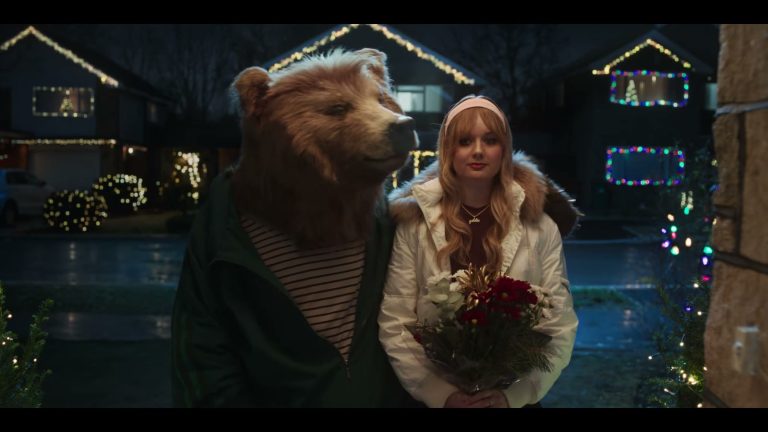 10 Nov, 09:53 Morrisons Christmas advert 2026: Goldilocks meets the Three Bears in Christmas Made Just Right
 10 Nov, 09:52 Waitrose Christmas advert 2026: Keira Knightley and Joe Wilkinson return in The Perfect Gift 2
13 guides and rulings
ASA rulings and the UK advertising rules, explained in plain English and checked against the source.
All policy19 explainers
How great advertising gets made, from the brief to the media plan, and how to make your own.
All craft147 brands tracked
Every brand we have reviewed or reported on, with its best work and its latest news.
Brands A to Z97 agencies credited
The agencies behind the work, with every campaign we have credited to them.
Agencies A to ZKoto has created Oxford Street's first brand identity, For Everyone, with the GLA and the Oxford Street Development Corporation, as almost a kilometre of the street goes traffic-free.

Oxford Street has its first ever brand identity. Created by Koto with the Greater London Authority and the Oxford Street Development Corporation (OSDC), the identity is called For Everyone and arrives as almost a kilometre of the street goes traffic-free, as Creative Review reported. Its job is to reposition one of Britain’s most famous and most criticised streets as a place for culture, leisure and public life, not just shopping.
The wordmark puts the emphasis on the word “for”, presenting Oxford Street as a destination with many purposes and many audiences. It is paired with the line Where London meets, which the system stretches across shopping and stopping, walking and talking, and the millions of people who live and work in the city. The type pairs London Sans with London Serif, bringing together the capital’s modern character and the street’s history.

A green palette signals the ambition for a greener public realm, with more room to walk, meet and pause, while secondary colours run across wayfinding and supporting messages. Koto founder and chief executive James Greenfield said the studio built the identity around what has always made the street extraordinary, “its ability to constantly change”. Creative director Sam Howard described Oxford Street as “a place of firsts, of celebration, of everyday encounters”.

The stretch between Orchard Street and Great Portland Street closed to buses, taxis, cars and cycles on Monday 26 October, according to the Mayor of London’s office. This first phase is a temporary transitional scheme, with more than 50 new trees, two public squares, over 100 seats and better signage due by the end of spring 2027. City Hall puts annual spending on the street at around £3.1bn.
As Marketing Week reported, pedestrianisation is only one part of a wider redevelopment effort to give the street a coherent brand that can reach a new generation of shoppers. The OSDC was set up by the Mayor in January 2026 to lead that regeneration.
An identity cannot fix crowded pavements or empty units on its own, a point Creative Review makes too. What it can do is give the OSDC, retailers and event partners a shared voice while the layout of the street is still being tested. It is the opposite call to Manchester’s Mayfield, which decided not to have a brand at all.
For brands with flagships on the street, a traffic-free space with a planned programme of sport, fashion and cultural events changes what Oxford Street can be used for. John Lewis, which has been raising its brand spend, said it has invested millions in refurbishing its flagship there. The first real test is Christmas, the street’s busiest trading period, and the work joins a strong year for UK identity design tracked in our best rebrands of 2026.

He plans, buys and reviews advertising for a living, and helps score campaigns on the site against the same five Crown Score criteria alongside other authors and contributors.
81/100Dougal Wilson's 2014 film for John Lewis gave a boy's toy penguin a mate, sold out a £95 plush in days and won a Cannes Creative Effectiveness Grand Prix. A look back.
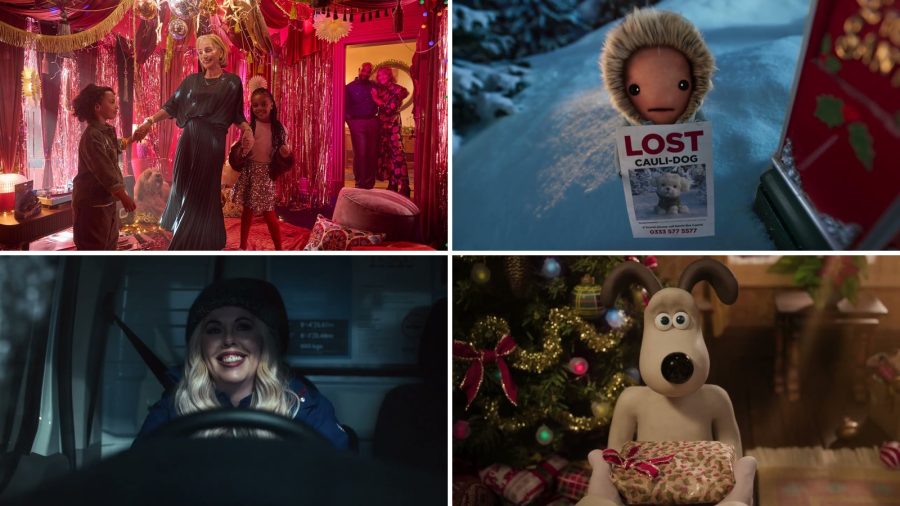
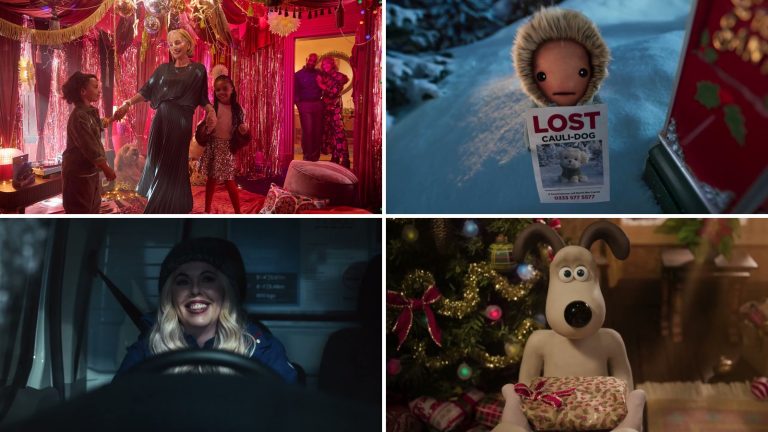
Every UK Christmas advert of 2026 so far, newest first, with each brand's own film, the verified credits and our verdict, from John Lewis, M&S and Amazon to Aldi, Tesco and Argos.
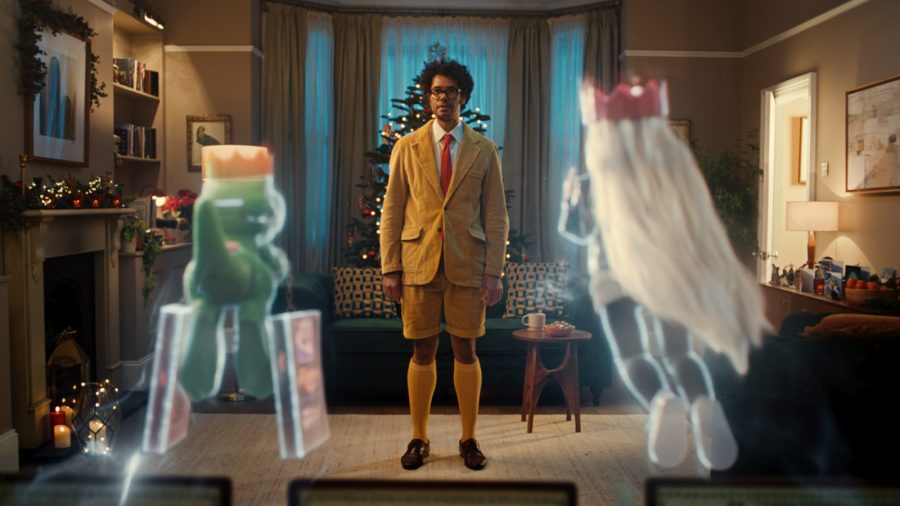 63/100
Richard Ayoade as Scrooge, Connie and Trevor as the ghosts, and a catalogue childhood that comes back to haunt him. T&P's Dickens spoof for Argos, reviewed.