

 81/100
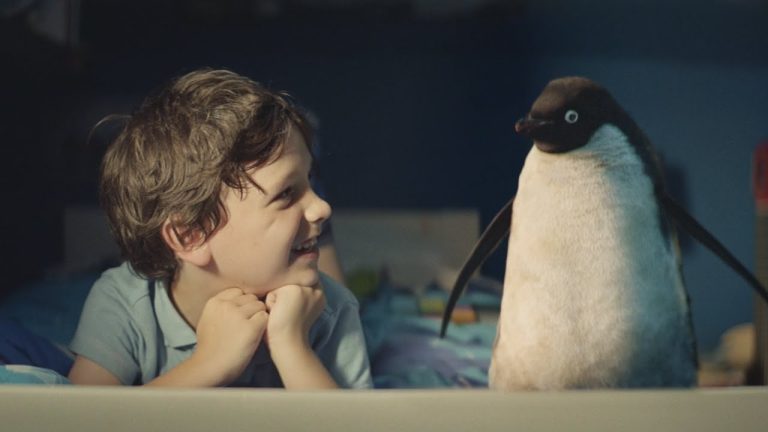
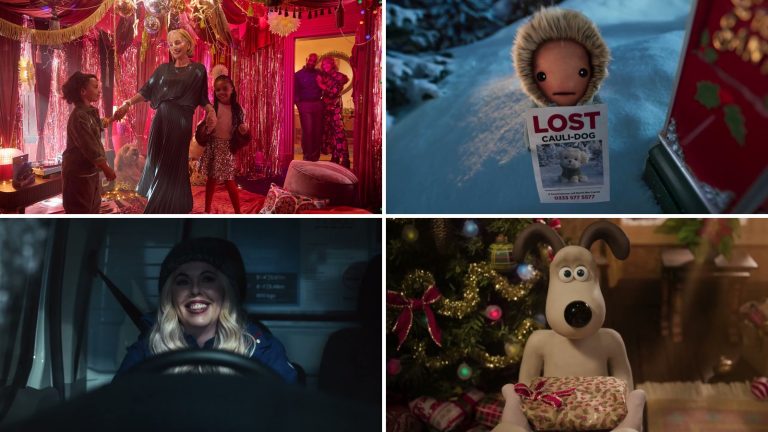
John Lewis, Monty the Penguin: the Christmas advert that became a shop
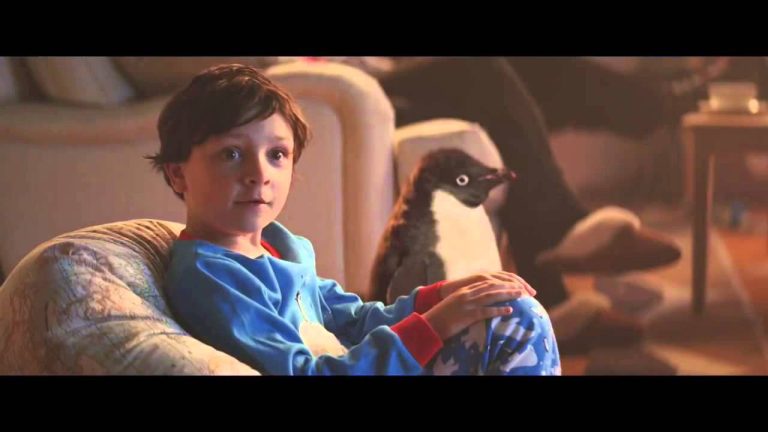
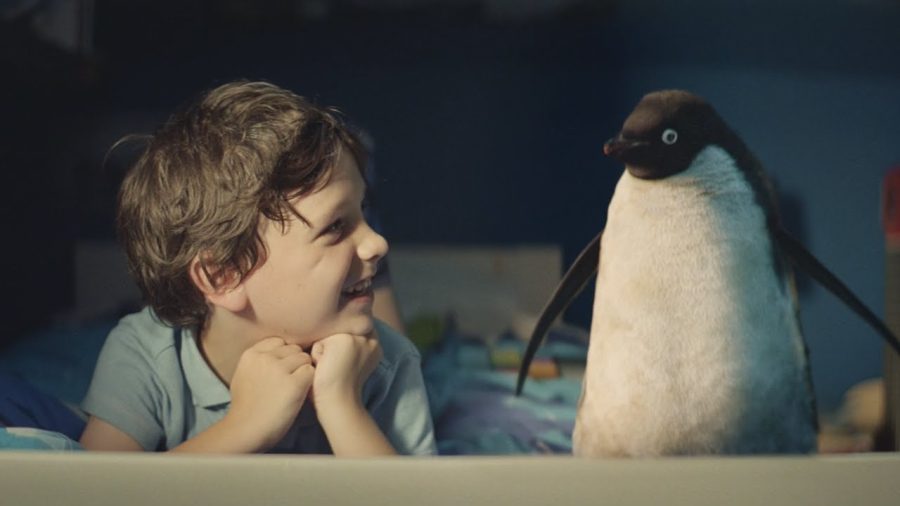
Dougal Wilson's 2014 film for John Lewis gave a boy's toy penguin a mate, sold out a £95 plush in days and won a Cannes Creative Effectiveness Grand Prix. A look back.
73 campaigns reviewed
Every review scored out of 100, with full credits and the evidence behind the result.
All campaigns29 Christmas adverts so far
Every UK Christmas advert of 2026 in one place, with the films, the credits and our verdicts.
Watch all 2922 rankings
The best adverts by brand, decade and season, argued properly and kept up to date.
All rankings157 stories
The advertising stories that matter, published every weekday, with what each one means.
All news 10 Nov, 09:53 JD Sports Christmas advert 2026: Create The New swaps festive nostalgia for young creatives
 10 Nov, 09:53 Morrisons Christmas advert 2026: Goldilocks meets the Three Bears in Christmas Made Just Right
 10 Nov, 09:52 Waitrose Christmas advert 2026: Keira Knightley and Joe Wilkinson return in The Perfect Gift 2
13 guides and rulings
ASA rulings and the UK advertising rules, explained in plain English and checked against the source.
All policy19 explainers
How great advertising gets made, from the brief to the media plan, and how to make your own.
All craft147 brands tracked
Every brand we have reviewed or reported on, with its best work and its latest news.
Brands A to Z97 agencies credited
The agencies behind the work, with every campaign we have credited to them.
Agencies A to ZCollett Dickenson Pearce found the line on a night bus, borrowed Bach from Jacques Loussier and put a comb-over in a photo booth. The Hamlet cigar advert reviewed, from 1966 to the ban.
72/100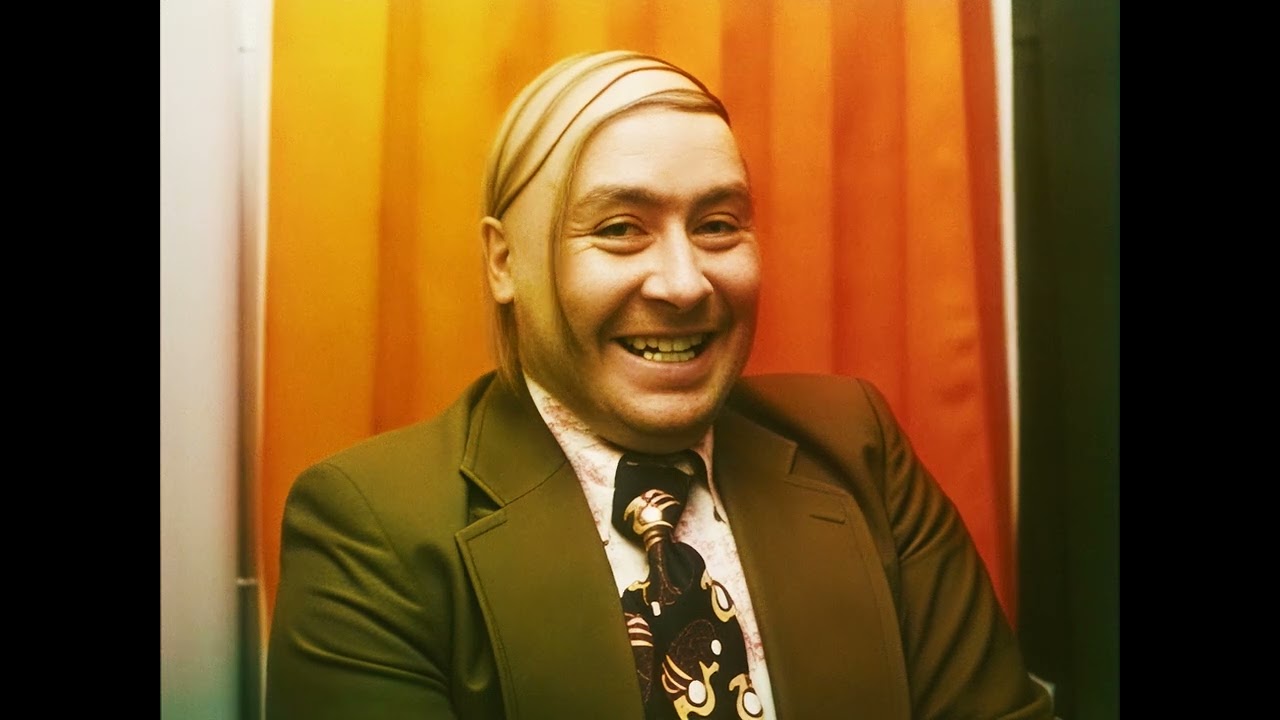
The most consistent comic idea British television advertising has produced, run for a quarter of a century until the law switched it off, and marked down only because nobody ever published the sales figures.
A man with a comb-over sits down in a passport photo booth, and for sixty seconds everything that can go wrong does: the flash fires as he leans in, again as he checks his hair, and a third time as the stool drops him out of frame. Then a match strikes, Bach begins, and a voice says that happiness is a cigar called Hamlet. The cigar itself never appears on screen.
Our take: the most consistent comic idea British television advertising has produced, run for a quarter of a century by Collett Dickenson Pearce until the law switched it off, and marked down here only because nobody ever published the sales figures.
Hamlet arrived in 1964 as a small cigar from the Benson and Hedges stable, owned by Gallaher, at a moment when the industry’s advertising was about to change shape. Cigarette commercials were banned from British television from August 1965, but cigars and pipe tobacco were not, which meant that a cigar brand with a good television idea could have the medium’s most valuable category almost to itself.
The brief for a television campaign landed with Tim Warriner and Roy Carruthers at CDP, an agency that had opened on 1 April 1960 and was, as Campaign put it in ranking it the second best agency of the last fifty years, adland’s Shangri-La for a brief and brilliant period. The problem was not a lack of talent but a surfeit of it, and the pair struggled to crack the brief.
The story CDP told about itself, recorded in Campaign’s archive, is that the answer came on the top deck of a bus late one night as Warriner and Carruthers went home having failed. They lit up, Warriner remarked that happiness was a dry cigarette on a bus, and by the end of the journey they had both the line and the structure of a campaign that would run for 25 years. The Drum adds the detail that the bus had just passed a Charlie Brown poster beginning “Happiness is”.
The premise inverts every rule of the category. Tobacco advertising sold glamour, success and open country; Hamlet sold failure. Each film puts a character into an awkward or humiliating situation, lets it get worse, and then offers the cigar as the small consolation that makes the moment bearable. The product is not a reward for winning but a way of coping with losing.
That inversion gave the campaign an almost infinite supply of scripts. The record of the series includes Christopher Columbus sailing calmly off the edge of the world, a man dying of thirst who finds a can of Heineken and spills it in the sand, a robot built with its head on backwards, and a Dalek defeated by a flight of stairs. Ian Botham, Ronnie Corbett and Russ Abbot all took their turn.
The sound is half the idea. Colin Millward, CDP’s first creative director, suggested Bach’s “Air on the G String”, and the agency used the jazz version by Jacques Loussier’s Play Bach Trio, formed in 1959. As one account of the music notes, the piece builds tension and then releases it, which is exactly the shape of every film: a problem, then the calm of the cigar. It is one of the clearest cases of a brand owning a piece of music, a subject we return to in our guide to music in advertising.
“Photo Booth” is the film that defines the campaign. It began as a sketch on BBC Scotland’s “Naked Video”, developed by Gregor Fisher, Colin Gilbert and Philip Differ, and CDP adapted it within months of the show’s 1986 debut, with Rowan Dean writing and Garry Horner as art director. Shots credits Graham Rose as director, with David Walsh as director of photography and John Hackney producing.
Mick Mahoney, later chief creative officer of Ogilvy UK, chose it as one of the best ads of Campaign’s first fifty years and summarised the technique in six words: “Sixty seconds. One shot. No dialogue.” There are no cuts and no post-production, only Fisher’s physical timing, the stool and the flash. The cigar, its packaging and the brand’s logo never appear on screen, and the film still sells the product harder than any pack shot could.
The casting was the brave part. Mahoney points out that CDP asked a tobacco client to be represented by a middle-aged loser with a comb-over, at a time when the category’s imagery ran to cowboys and gold. Fisher went on to Rab C. Nesbitt and returned for a family portrait sequel, and the Baldy Man became the face of Hamlet for the rest of its television life.
Here the file thins. Neither Gallaher nor CDP published a sales or share case for the campaign, and no effectiveness paper exists in the public record, so the scoring below reflects fame rather than proven commercial return, as our scoring rules require. What is documented is standing within the industry and with the public.
The Drum records that “Photo Booth” won a Gold Lion at Cannes, and it has been a fixture of every British poll since. Channel 4 placed the Hamlet campaign eighth in its 100 Greatest TV Ads in 2000, ITV ranked it ninth in 2005, and in 2008 Campaign’s vote for the funniest television ads of all time put “Photo Booth” third. John Webster, a rival creative director, is on record calling it probably the greatest television campaign ever made in the British Isles.
Longevity is its own evidence. A campaign structure that ran on television from 1966 to 1991 without a change of line, music or premise was clearly doing something for the brand, or a tobacco company would not have kept paying for it. But a reader should know the difference between an inference and a number, and Hamlet has only the former.
The campaign did not end because it stopped working. All tobacco advertising was removed from British television in 1991, closing the loophole that had let cigars stay on air for 26 years after cigarettes were banned, and Hamlet’s television run ended with it. The films moved to cinema in 1996, and in 1999 the brand ran a farewell with an amended line, “Happiness will always be a cigar called Hamlet”.
Even that was not quite the end. The tobacco industry declined to give up advertising voluntarily, and the Tobacco Advertising and Promotion Act 2002 finished the job for every brand. CDP itself did not survive much longer; Campaign records that an enfeebled agency effectively disappeared in 2001 when its Dentsu parent merged it with a stablemate. The rules that closed the category are set out in our guide to UK advertising rules.
What survives is a technique. Hamlet proved that a brand can be built on sympathy rather than envy, that a piece of classical music can become a logo, and that a single unbroken shot with no dialogue can beat any amount of editing. Those lessons have been borrowed by brands in every category that is still allowed on television.
Hamlet is a nine for idea and a nine for craft, and “Photo Booth” alone would justify both. It scores a five for bravery, because the casting was daring but the category and the media plan were not, a nine for legs after 25 years on television and three more in cinemas, and a three for effectiveness, because no published number exists and we will not invent one. That gives 70, which is the price of being brilliant in an era that did not write its results down.

He plans, buys and reviews advertising for a living, and helps score campaigns on the site against the same five Crown Score criteria alongside other authors and contributors.
81/100Dougal Wilson's 2014 film for John Lewis gave a boy's toy penguin a mate, sold out a £95 plush in days and won a Cannes Creative Effectiveness Grand Prix. A look back.
 83/100
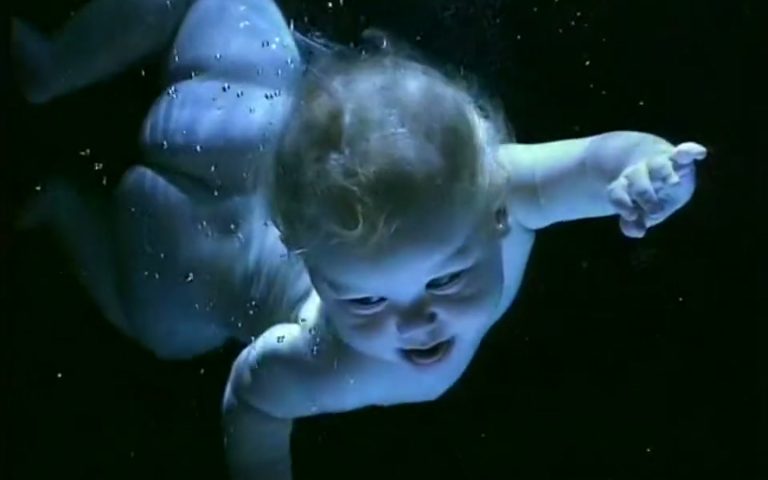
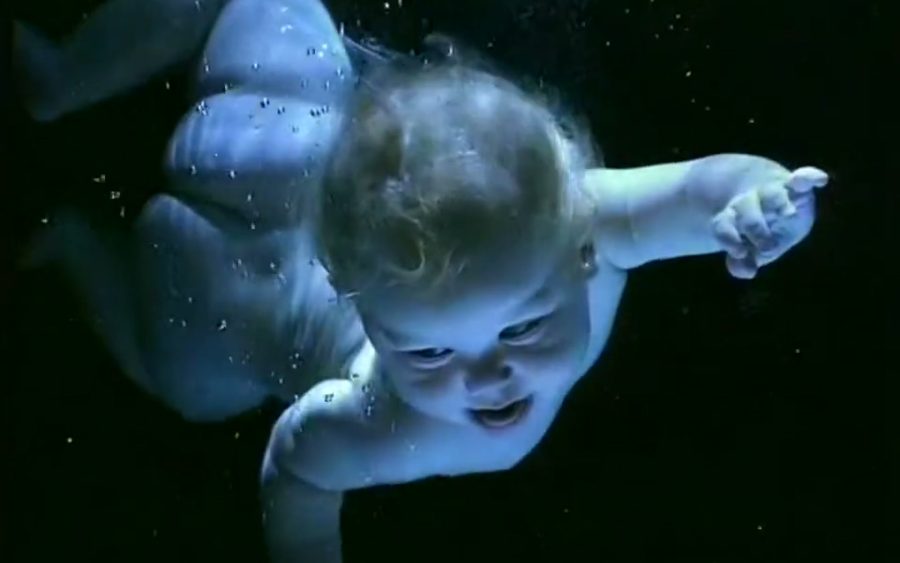
WCRS launched a fourth mobile network in 1994 with a Philip Glass score, an orange square and a line about the future. The Future's Bright, The Future's Orange, reviewed.
 81/100
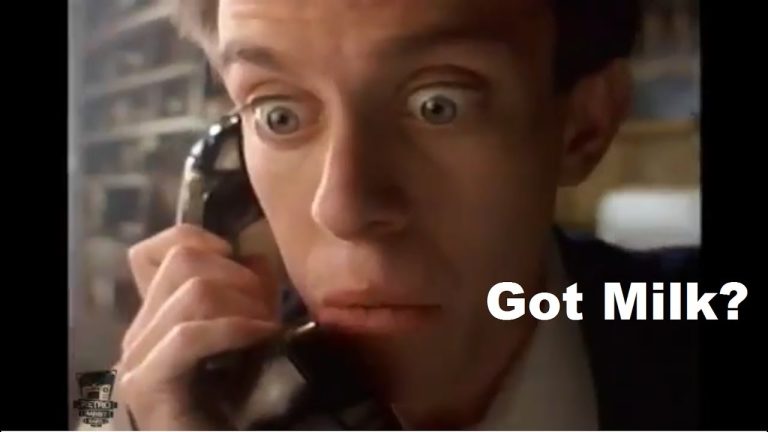
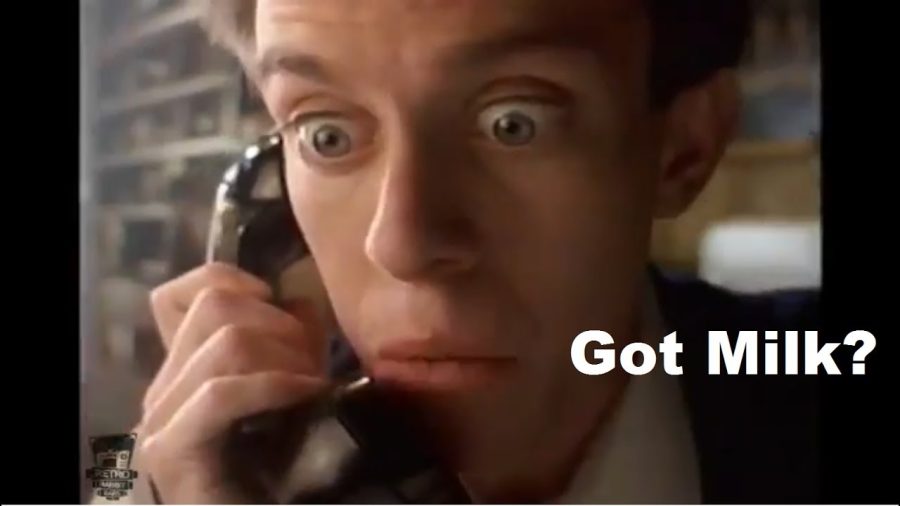
Goodby Silverstein's 1993 launch film for the California Milk Processor Board, directed by Michael Bay, turned an empty carton into the most repeated two words in American advertising.