

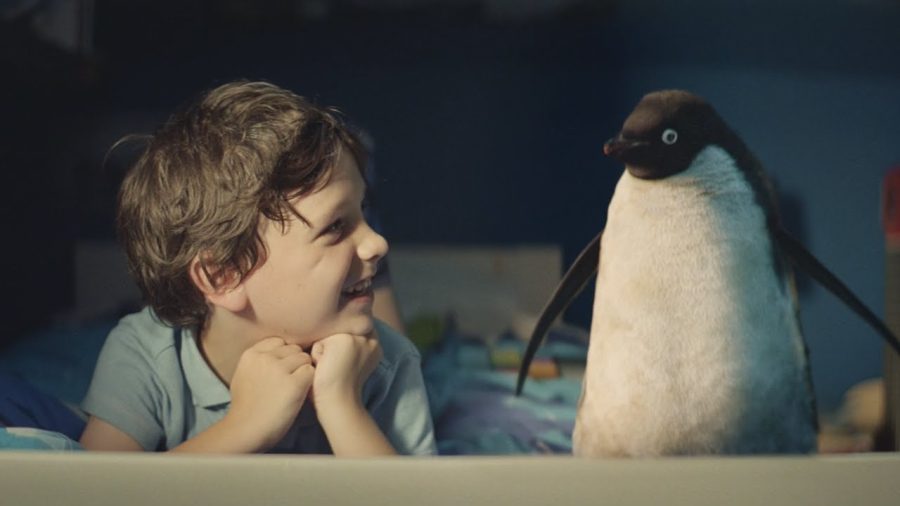
 81/100
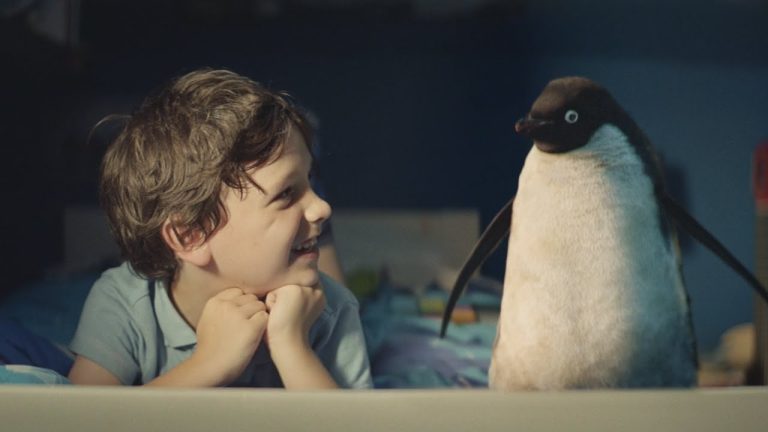
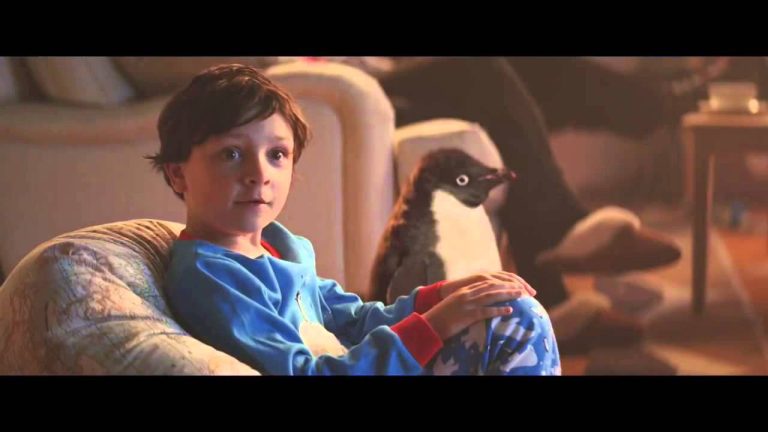
John Lewis, Monty the Penguin: the Christmas advert that became a shop
Dougal Wilson's 2014 film for John Lewis gave a boy's toy penguin a mate, sold out a £95 plush in days and won a Cannes Creative Effectiveness Grand Prix. A look back.
73 campaigns reviewed
Every review scored out of 100, with full credits and the evidence behind the result.
All campaigns29 Christmas adverts so far
Every UK Christmas advert of 2026 in one place, with the films, the credits and our verdicts.
Watch all 2922 rankings
The best adverts by brand, decade and season, argued properly and kept up to date.
All rankings157 stories
The advertising stories that matter, published every weekday, with what each one means.
All news 10 Nov, 09:53 JD Sports Christmas advert 2026: Create The New swaps festive nostalgia for young creatives
 10 Nov, 09:53 Morrisons Christmas advert 2026: Goldilocks meets the Three Bears in Christmas Made Just Right
 10 Nov, 09:52 Waitrose Christmas advert 2026: Keira Knightley and Joe Wilkinson return in The Perfect Gift 2
13 guides and rulings
ASA rulings and the UK advertising rules, explained in plain English and checked against the source.
All policy19 explainers
How great advertising gets made, from the brief to the media plan, and how to make your own.
All craft147 brands tracked
Every brand we have reviewed or reported on, with its best work and its latest news.
Brands A to Z97 agencies credited
The agencies behind the work, with every campaign we have credited to them.
Agencies A to ZLeo Burnett's 2000 film of a fisherman kicking a bear over a salmon won Cannes, the BTAA Grand Prix and 300 million online views before YouTube existed. A full review.
74/100
A near-perfect thirty seconds that proved a television commercial could be watched 300 million times by people who never saw it on television, marked down only because John West never published a sales case.
A nature documentary about grizzlies fishing a Scottish river is interrupted by a fisherman who runs in, squares up to a bear and kicks it in the groin over a salmon. Thirty seconds, one location, no computer graphics to speak of, and it went on to be watched an estimated 300 million times online before most of its audience had heard the word “viral”. Our take: the John West bear advert is the purest example of a British creative idea being strong enough to travel without a media budget, and the model for every “let’s make something shareable” brief that followed.
John West had been selling tinned fish since 1857 and had not been on television for more than ten years when the account arrived at Leo Burnett. The brand’s inheritance was a quality-selection claim: its 1960s slogan, as The Drum recalls, was “it’s the fish that John West rejects that makes John West the best”. The 2000 brief had to say the same thing about red salmon, a product bought on autopilot and rarely thought about, to an audience that had no reason to listen.
The money was small. Creative Review, in its 2025 oral history of the film, describes a “sardine-sized budget” and a shoot lasting a couple of days in the Scottish Highlands. That constraint matters to everything that follows: there was no money to buy fame, so the film had to earn it.
Paul Silburn’s script fitted on a note. According to Creative Review, the outline he sent Daniel Kleinman ran to three words, “man fights bear”, and the whole commercial is a faithful expansion of them. The premise is a literal dramatisation of the brand promise: bears at the river mouth catch only the tastiest, most tender salmon, which is exactly what John West wants, so a John West fisherman goes and takes one off a bear.
What lifts it above a sketch is the misdirection. The first half is played straight as wildlife television, with a hushed narrator and footage of bears in the water, so the fisherman’s entrance lands as a genuine shock rather than a set-up. The endline, “John West endure the worst to bring you the best”, is the same claim the brand had been making for forty years, restated as a punchline. That is the discipline in the joke: it is funny and it is on strategy in the same breath.
Kleinman was already the director of the James Bond title sequences, which he had taken over with GoldenEye in 1995, and he would later shoot Guinness “noitulovE”, the 2006 Cannes Film Grand Prix winner covered in our Guinness review. His contribution here is restraint. The film never winks, the camera behaves like a nature unit’s camera, and the fight is staged in wide shot so you can see it is a man and a bear rather than a cut.
The bear is a suit built by Jim Henson’s Creature Shop and worn by a stunt performer, which is why it can throw a punch, take a kick and do a boxer’s shuffle without ever looking like an animation. The choreography is deliberately bad in the way pub fights are bad: a bit of kung fu, a distraction (“look, an eagle”), then the low blow. Creative Review calls the tone Pythonesque, and the comparison is right because the joke is committed to with a completely straight face.
The sound design carries the first half. The narration is paced like a real documentary, the river is mixed loud enough to feel cold, and the fisherman’s arrival is underscored by nothing at all, which is what makes it funny. Steve Gandolfi’s edit gives the reveal a beat of stillness before the fight, then cuts the fight fast enough that you want to watch it again. That rewatch instinct is, in hindsight, the whole media plan.
The awards came first and they came in a rush. Bear won a Gold Lion at Cannes in 2001, the Grand Prix at the British Television Advertising Awards, and D&AD Pencils in 2001 in both the television commercials and the direction categories. It then took the Grand Prize at the London International Advertising Awards in November 2001, at a ceremony that was cancelled after the 11 September attacks, with the trophies posted out to agencies instead.
The bigger story happened off television. The film launched in November 2000, five years before YouTube existed in beta, and spread the way the BBC defined a viral at the time, as footage forwarded by e-mail from inbox to inbox. When the viral marketing company The Viral Factory collated page impressions from YouTube, Google Video and similar sites for UKTV in 2006, the BBC reported that the John West salmon bear fight had been viewed 300 million times, placing it joint sixth in a chart topped by the Star Wars Kid on 900 million. It was one of only three advertisements in that top ten, alongside Kylie Minogue for Agent Provocateur and the Trojan Games films.
What we cannot show you is a sales case. There is no published IPA Effectiveness paper on the campaign, and no audited sales or share data for it has been published in a trade source, so the effectiveness score on our rubric rests on fame and awards rather than on numbers. That is a real gap, and it is the reason a film this famous does not score higher overall.
Bear is the film that taught British advertising a commercial could have a second life it had not paid for. Every “viral” brief of the following decade, from Cadbury’s drumming gorilla to the Old Spice man, inherits its logic: make a thirty-second idea so surprising that the audience becomes the distribution. The difference is that Bear did it by accident, before anyone had designed a seeding plan, which is a useful reminder that the sharing followed the idea and not the other way round.
The brand has never quite let go of it. Campaign reported in 2007 that John West’s then owner, MW Brands, was reuniting the fisherman and the bear to launch a skinless and boneless tinned salmon. The reprise did not travel the way the original did. That is the usual fate of a sequel to a surprise: the surprise is the part you cannot repeat.
Set it beside the work in our ranking of the best food adverts and it holds its own on the simplest test there is: it is one of a handful of British films from the 2000s that a stranger can describe in a sentence without ever having seen it on television.
Bear is a near-perfect thirty seconds: a one-line idea, a director who knew not to decorate it, a physical gag that still works a quarter of a century later, and an endline that ties the joke back to the tin. It is marked down on effectiveness for one reason, which is that John West never published a sales case and the campaign has no IPA paper, so its commercial claim rests on fame rather than evidence. On fame alone it is unmatched in its category, and it did something genuinely new: it proved that a television commercial could be watched 300 million times by people who never saw it on television. The craft changed nothing; the distribution changed everything.

He plans, buys and reviews advertising for a living, and helps score campaigns on the site against the same five Crown Score criteria alongside other authors and contributors.
81/100Dougal Wilson's 2014 film for John Lewis gave a boy's toy penguin a mate, sold out a £95 plush in days and won a Cannes Creative Effectiveness Grand Prix. A look back.
 83/100
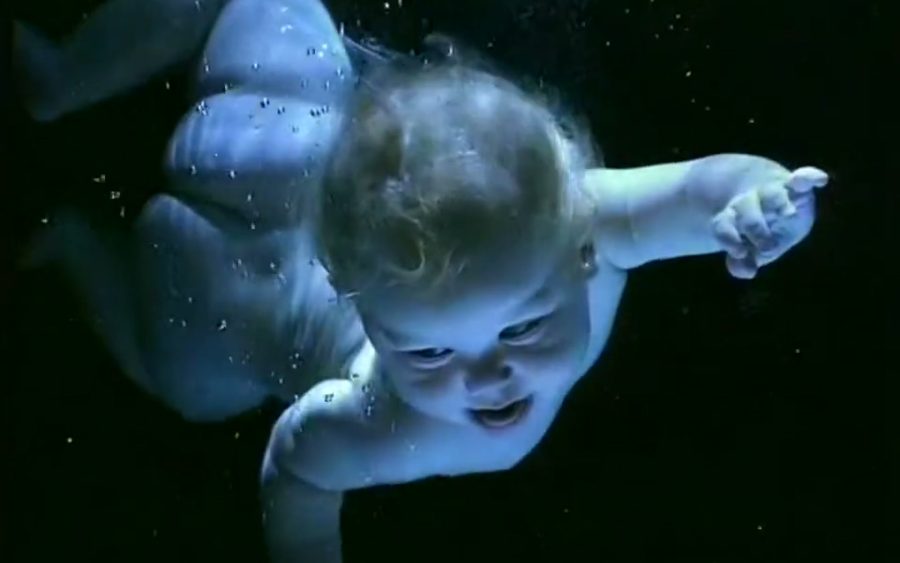
WCRS launched a fourth mobile network in 1994 with a Philip Glass score, an orange square and a line about the future. The Future's Bright, The Future's Orange, reviewed.
 81/100
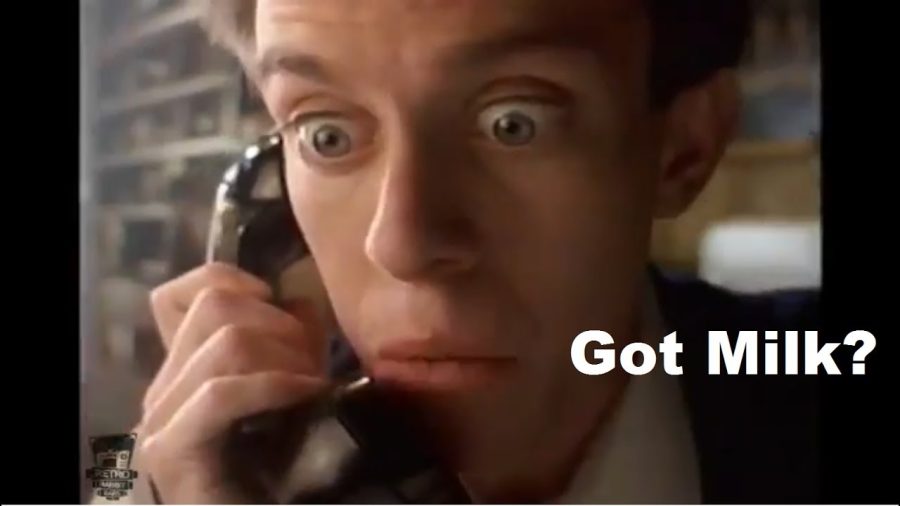
Goodby Silverstein's 1993 launch film for the California Milk Processor Board, directed by Michael Bay, turned an empty carton into the most repeated two words in American advertising.