





 87/100
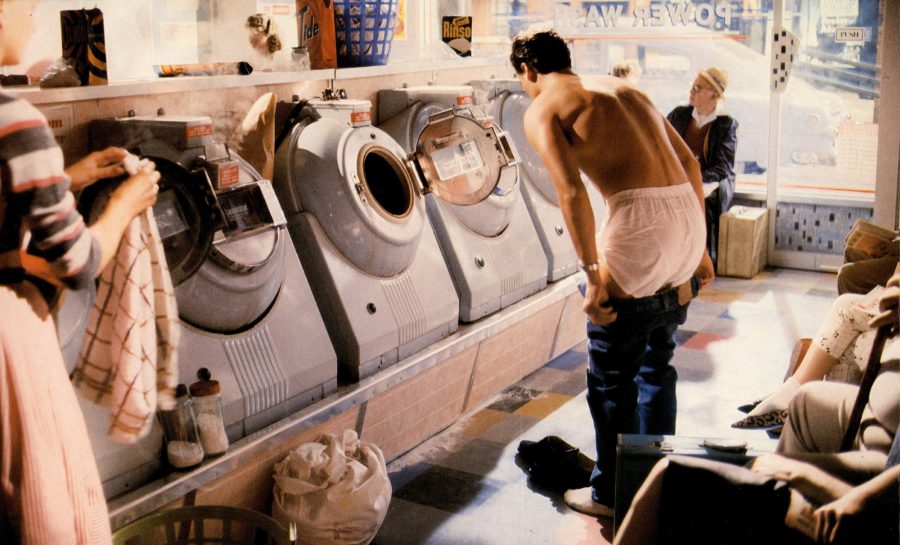
Levi’s “Launderette”: the 60 seconds that saved the 501
BBH's 1985 Levi's Launderette put Nick Kamen in his boxer shorts and lifted 501 sales by 800%. We review the strategy, the craft and the effectiveness evidence.
73 campaigns reviewed
Every review scored out of 100, with full credits and the evidence behind the result.
All campaigns29 Christmas adverts so far
Every UK Christmas advert of 2026 in one place, with the films, the credits and our verdicts.
Watch all 2922 rankings
The best adverts by brand, decade and season, argued properly and kept up to date.
All rankings157 stories
The advertising stories that matter, published every weekday, with what each one means.
All news 10 Nov, 09:53 JD Sports Christmas advert 2026: Create The New swaps festive nostalgia for young creatives
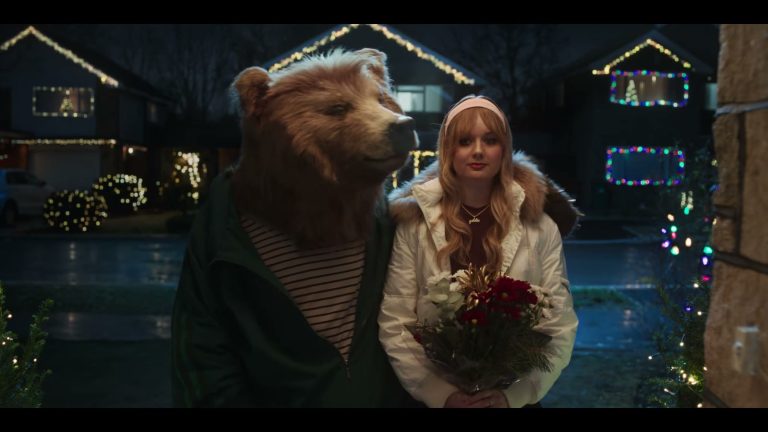 10 Nov, 09:53 Morrisons Christmas advert 2026: Goldilocks meets the Three Bears in Christmas Made Just Right
 10 Nov, 09:52 Waitrose Christmas advert 2026: Keira Knightley and Joe Wilkinson return in The Perfect Gift 2
13 guides and rulings
ASA rulings and the UK advertising rules, explained in plain English and checked against the source.
All policy19 explainers
How great advertising gets made, from the brief to the media plan, and how to make your own.
All craft147 brands tracked
Every brand we have reviewed or reported on, with its best work and its latest news.
Brands A to Z97 agencies credited
The agencies behind the work, with every campaign we have credited to them.
Agencies A to ZDisney Advertising research with Eye Square finds viewers emotionally connected to a programme show four times the purchase intent from ads, and fans nearly twice as much.

Viewers who feel an emotional connection to a programme show four times the purchase intent from the ads around it as viewers who do not, according to new research from Disney Advertising. Emotionally connected viewers also had two and a half times higher ad recall, as Marketing Week reported. The study, run with the media research firm Eye Square, tracked 1,104 users of ad-supported platforms through natural ad exposure, eye tracking and facial emotion tracking.
People who describe themselves as fans of what they are watching were 1.9 times as likely to show purchase intent as the average streaming viewer. Audiences who return to the same show regularly did even better, with 4.7 times greater ad recall and five times greater purchase intent.
The research compared Disney+ with Netflix, Prime Video, ITVX and YouTube, and found ad recall and purchase intent were highest on Disney+. It says 58% of Disney+ viewers call themselves fans of the content, against a competitor average of 45%, and 79% report an emotional connection with what they watched, against 66%. Deborah Armstrong, senior vice president of Disney Advertising EMEA and country manager for the UK and Ireland, called this “the Disney difference”.
Disney executives also made the case for advertisers becoming part of the shows themselves. Armstrong pointed to Rivals, where a Waitrose store features in the series and the retailer brought back its staff uniform from the 1980s, and where the character Maude drives a Volkswagen GTI. Dan Fanshawe, senior client director at Kantar, told the same briefing that this kind of cultural integration is “a huge playground for brands”, as long as they stay true to what they stand for.
This is a media owner’s own research, and it puts its own platform on top, so buyers should treat the platform comparison with some caution. The wider finding is more useful: the attention and feeling people bring to a show appear to carry over to the ads around it. That supports planning by programme and by depth of fandom, not just by the cheapest impression.
It also lands as UK budgets keep moving into streaming, with addressable TV among the fastest growing channels in the latest AA/WARC figures. Streamers are competing hard for that money, from Disney’s pitch on fandom to Netflix, whose ad revenue forecast has been cut to $2.7bn. For UK brands, the practical test is whether a partnership like Waitrose’s in Rivals can be measured as rigorously as a standard spot, and fewer than half of brands have a defined effectiveness function to do that.

He plans, buys and reviews advertising for a living, and helps score campaigns on the site against the same five Crown Score criteria alongside other authors and contributors.
87/100BBH's 1985 Levi's Launderette put Nick Kamen in his boxer shorts and lifted 501 sales by 800%. We review the strategy, the craft and the effectiveness evidence.
 86/100
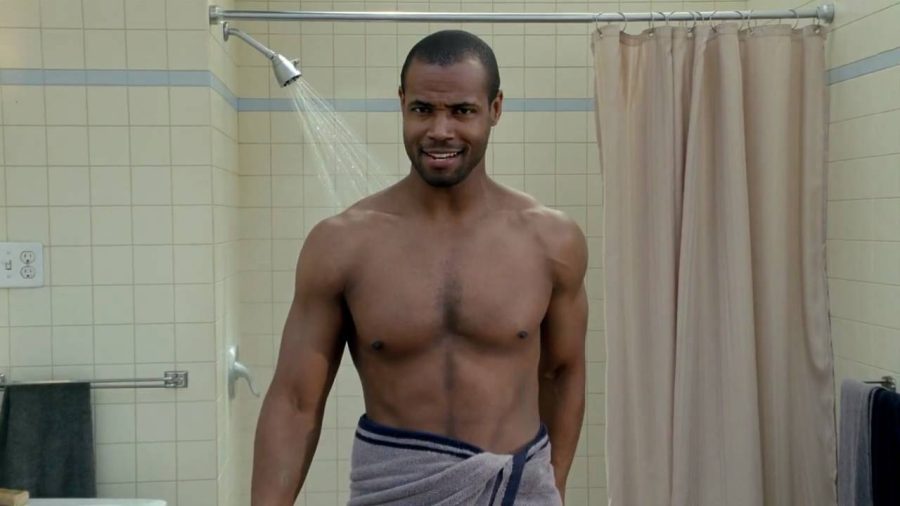
Wieden+Kennedy built the most quoted commercial of its decade from a single unbroken take, then answered 186 fans in two and a half days. The Grand Effie followed.
 86/100
BMP DDB took the only footballer never booked and made him rob a child for a packet of crisps. Thirty years and an IPA paper later, it still holds up.